Mechanical Pressure Triggers Cancer Cell Death, Revealing Potential New Defense Against Metastasis - Inside Precision Medicine
This story deserves to be shared
Send it to someone who'd care, or post it on your networks.
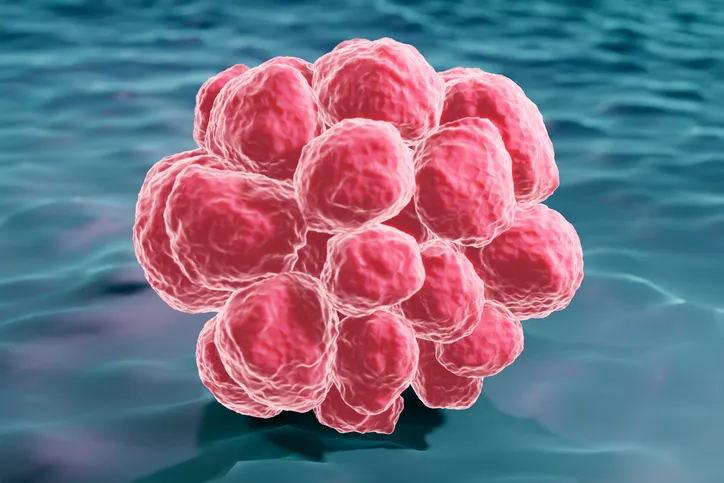
Credit: Artur Plawgo / Getty Images / Science Photo Library The physical pressure that cancer cells encounter as tumors grow may do more than impede their movement. New research suggests that prolonged confinement can activate a molecular self-destruct mechanism in invasive cancer cells, potentially limiting their ability to spread to other parts of the body.
The findings, published in Developmental Cell, reveal an unexpected connection between the mechanical forces within tumors and a form of programmed cell death called necroptosis. Researchers at the Chinese Academy of Sciences in Shanghai say the discovery could eventually lead to biomarkers for predicting metastatic risk and new approaches to preventing cancer spread.
This article is an excerpt. To read the full content, visit the original source. Inside Precision Medicine
Related articles

Alcohol Doesn't Just Affect Neurons – It Triggers Immune Cells to Destroy The Brain's Structural Matrix, Mouse Study Shows - ScienceAlert
It's well known that alcohol has profound consequences on the way the brain works, and research shows that even low levels of the drug can damage your brain. But how does alcohol actually cause brain damage at the cellular level? In a surprising discovery reported in Immunity, scientists found that alcohol doesn't just interact with neurons. New findings show the drug also affects immune cells in the brain called microglia, triggering them to dismantle the extracellular matrix that structurally supports brain cells. "For years, alcohol's effects on the brain were largely viewed through the lens of neurons, and for good reason: alcohol acts directly on neuronal receptors," says neuroscientist and senior author of the study Dimitrios Davalos from the Cleveland Clinic. "By following microglia in real time, we were able to see that they aren't simply responding to damage. They drive the detrimental changes alcohol causes in the brain. "Experiments showing how alcohol use negatively affects the brain's microglia immune cells over time.
Patient-centered financial navigation assistance helps reduce financial toxicity among cancer patients - Medical Xpress
Among cancer patients, the high financial cost of cancer care is a prevalent problem. This financial burden is also associated with potentially harmful behavioral strategies that patients might use to cope with costs, such as delaying or forgoing treatment and skipping medications. Collectively, researchers refer to this impact as financial toxicity.

Continuous glucose monitors help type 2 diabetes patients spend 5 more hours a day in healthy blood sugar range - Medical Xpress
Continuous glucose monitors (CGMs) could transform diabetes management for millions of Americans with type 2 diabetes who don't take insulin, according to findings published in the New England Journal of Medicine. The clinical trial found that adults using CGMs spent approximately five additional hours each day within their target blood sugar range compared with those receiving routine care. Nearly twice as many CGM users also achieved an A1c level below 7%, a common treatment goal for people with diabetes.
Wearing headphones during surgery may reduce nausea and vomiting afterward - Medical Xpress
Patients who wore noise-canceling headphones during minimally invasive gynecological surgery were significantly less likely to experience postoperative nausea and vomiting (PONV), suggest findings from a randomized clinical trial presented at the Anesthesiology 2026 annual meeting.
0 comments
No comments yet. Be the first to share your thoughts!