Examining the Oral Steroid Burden in Asthma and COPD - HCPLive
This story deserves to be shared
Send it to someone who'd care, or post it on your networks.

Patients with asthma and chronic obstructive pulmonary disease (COPD) often receive systemic corticosteroids from multiple specialties, and that cumulative exposure is rarely tracked in 1 place. At the same time, the options for reducing reliance on oral steroids have grown, with approvals of dupilumab and mepolizumab for eosinophilic COPD and of depemokimab, a twice-yearly anti-interleukin (IL)-5 agent, for severe asthma.1-4 Clinicians outside pulmonology increasingly manage these patients when specialty access is limited. On October 6, 2026, Mollie Chartoff, FNP-BC, a nurse practitioner on the advanced COPD team at Vanderbilt Lung Institute in Nashville, Tennessee, moderated a virtual clinical forum for advanced practice providers on asthma and COPD. Participants included nurse practitioners and physician assistants in pulmonology, allergy and asthma, dermatology, oncology, and interventional pain practices in Tennessee, Texas, Missouri, and North Carolina. The discussion covered biomarkers, oral corticosteroid (OCS) exposure, biologic selection, and access barriers.
This article is an excerpt. To read the full content, visit the original source. HCPLive
Related articles
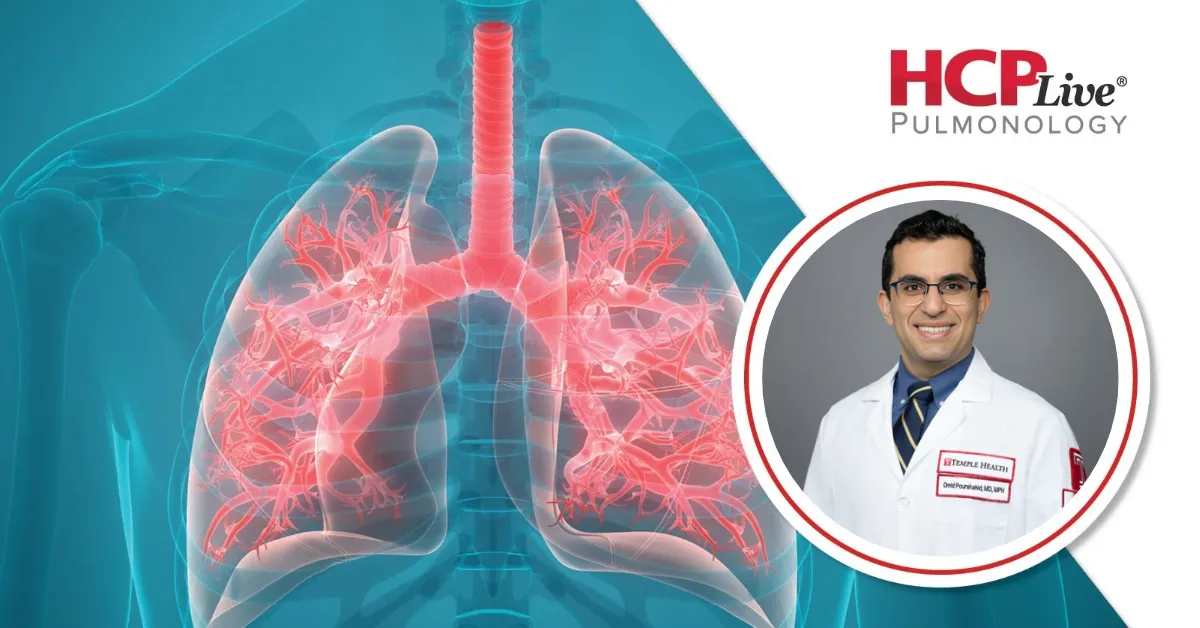
Tailoring Pulmonary Rehab to Close the COPD Gap, With Omid Pourshahid, MD - HCPLive
At CHEST 2026, Pourshahid argued for matching patients to center-based, hybrid, or virtual pulmonary rehab based on a structured assessment. Arguing the pro side of a debate at the American College of Chest Physicians (CHEST) 2026 Annual Meeting in Phoenix, Omid Pourshahid, MD, MPH, FCCP, Medical Director, Pulmonary Rehabilitation, Temple University Hospital, said pulmonary rehabilitation should be tailored to each patient’s clinical status and barriers to care rather than delivered through a single center-based model.¹The position builds on a long-standing gap in pulmonary rehabilitation uptake. In a retrospective cohort of 197,376 Medicare beneficiaries hospitalized for COPD in 2014, only 2721 (1.5%) initiated pulmonary rehabilitation within 90 days of discharge.² Initiation within the 90-day window was associated with a lower risk of death at 1 year (hazard ratio [HR], 0.63; 95% CI, 0.57-0.69; P <.001).
COPD and Emotional Health - American Lung Association

Chronic Proton Pump Inhibitor Use Linked to More Asthma Exacerbations - HCPLive
Chronic proton pump inhibitor use carried 60% greater odds of asthma exacerbation and nearly 4-fold odds of rescue corticosteroid use in a matched cohort of 2456 patients.
0 comments
No comments yet. Be the first to share your thoughts!