Partial Vision Restored in Some Blind Patients With New Experimental Treatment - ScienceAlert
This story deserves to be shared
Send it to someone who'd care, or post it on your networks.

Night vision often fades first, followed by a narrowing of peripheral vision. In retinitis pigmentosa, this progressive loss can eventually lead to blindness. An experimental treatment has now helped some patients recover limited visual abilities. The approach combines a gene injection with special goggles. In a small trial involving 10 people with profound vision loss in both eyes, some participants became better able to detect objects, locate them, and reach toward them while using the device. The study in The New England Journal of Medicine was coauthored by ophthalmologist José-Alain Sahel at the University of Pittsburgh and vision researcher Botond Roska at the Institute of Molecular and Clinical Ophthalmology Basel in Switzerland. Retinitis pigmentosa is a group of inherited disorders in which genetic changes damage the retina's photoreceptors, the cells that normally detect light. Symptoms can begin in childhood or later, and progression varies. People without known affected relatives can also develop the disease. Variants in more than 100 genes can cause it, complicating efforts to develop treatments for each genetic cause.
This article is an excerpt. To read the full content, visit the original source. ScienceAlert
Related articles
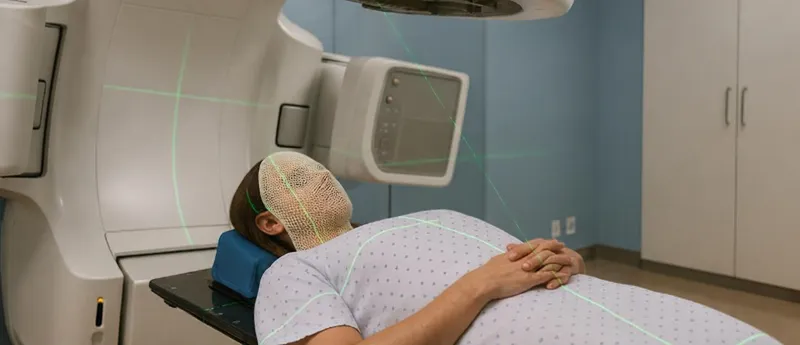
Navigating oligometastatic breast cancer: the role of stereotactic radiotherapy - Oncology Central
In this interview, Imogen Locke (The Royal Marsden NHS Foundation Trust, UK) discusses the evolving role of stereotactic ablative radiotherapy (SABR) in oligometastatic and oligoprogressive breast cancer. Locke explains the distinction between these two clinical scenarios, how timing and patient selection influence treatment decisions, and emerging evidence around metastasis-directed radiotherapy for ER-positive, HER2-negative patients on CDK4/6 inhibitors. Additionally, Locke walks us through a patient case study and highlights key radiotherapy trials seeking to answer the most pressing questions in breast cancer radiotherapy.
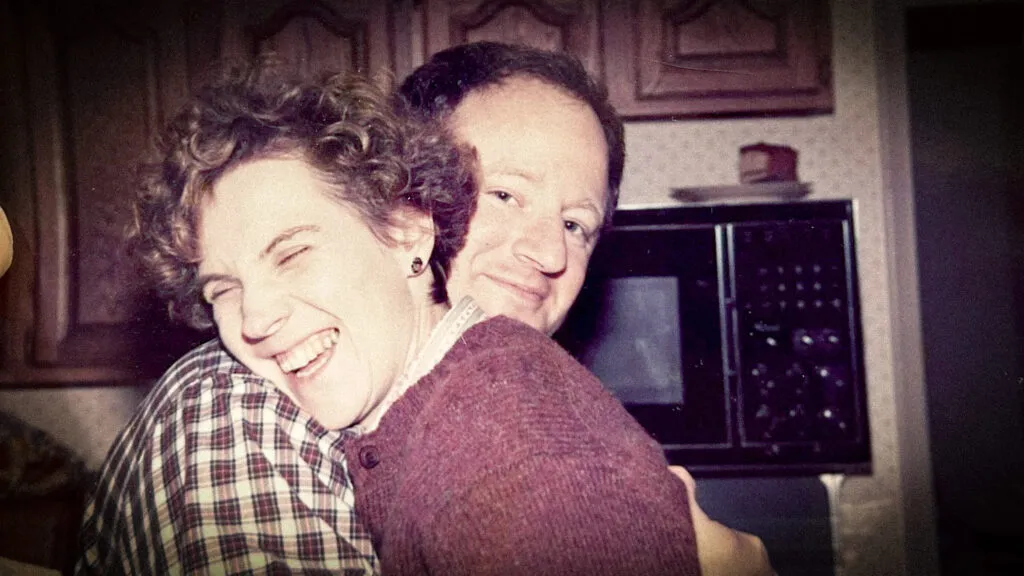
My mother killed herself. I wish assisted suicide had been an option - STAT
I can’t count how many times my mother attempted suicide. It first happened when I was 15, in 1999. The final time — when she actually died — came when I was 32, in 2016.
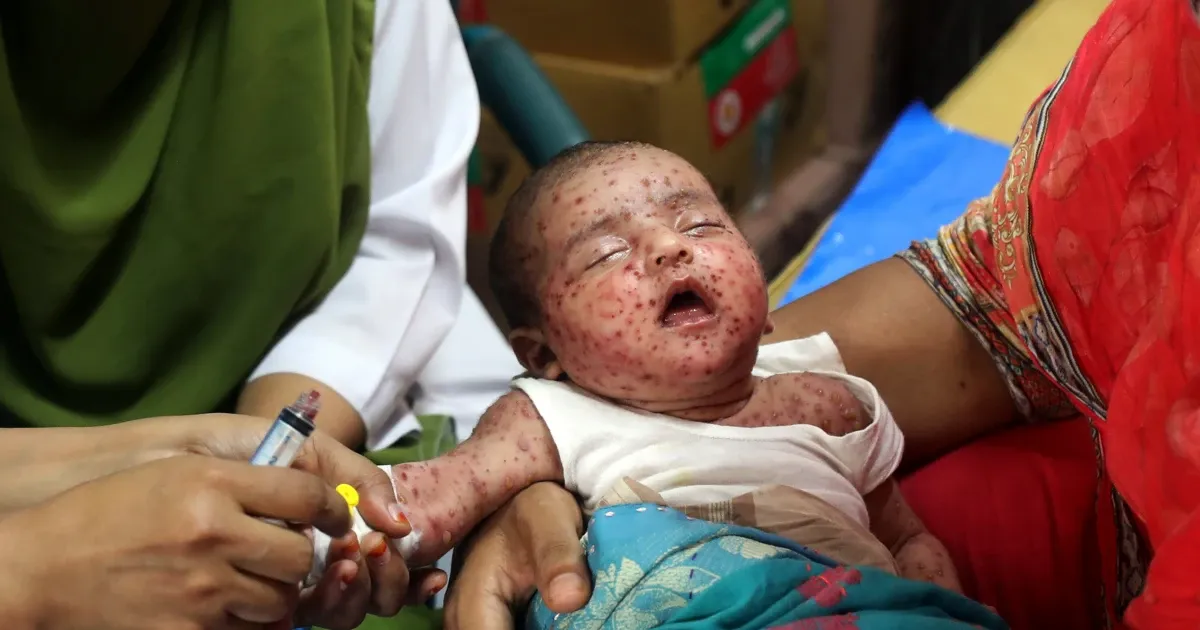
Measles outbreak in Bangladesh is a ‘real warning’ to other nations, experts say - NBC News
But that same year, protests erupted that ended 15 years of rule by Prime Minister Sheikh Hasina. In the ensuing political turmoil, health workers went on strike, vaccine orders were delayed and follow-up vaccinations that usually accompany routine programs were disrupted. In a report published in July this year, WHO and UNICEF estimated that first-dose coverage in 2025 had fallen to 90%, while second-dose coverage was 86%, several percentage points below the 95% needed for herd immunity. The report also raised questions about the quality of official data on vaccinations for measles and other diseases for the years 2023 to 2025. It said preliminary figures sometimes showed numbers of those inoculated exceeded 100% of those targeted, indicating mistakes in counting doses or target numbers. Emergency program missed millionsStill, when the measles outbreak erupted, Bangladesh responded swiftly and initially seemed to be winning the battle. An emergency program was followed by an initial slowdown in new cases after almost 20 million children received vaccinations in April and May. The government said it had covered every child in the target age group of 6 months to 5 years.

Equatorial Guinea is expanding an ambitious malaria elimination plan - Medical Xpress
Health workers prepare to visit communities to spray insecticide and help prevent the spread of malaria in Malabo, Equatorial Guinea, April 24, 2026. Credit: AP Photo/Misper Apawu With its torrential rains, tropical forests and omnipresent humidity, Equatorial Guinea provides the perfect conditions for mosquitoes to breed. For centuries, mosquito-borne diseases, in particular malaria, have dictated the fate of residents of this central African nation, impacting how they lived, worked and died.
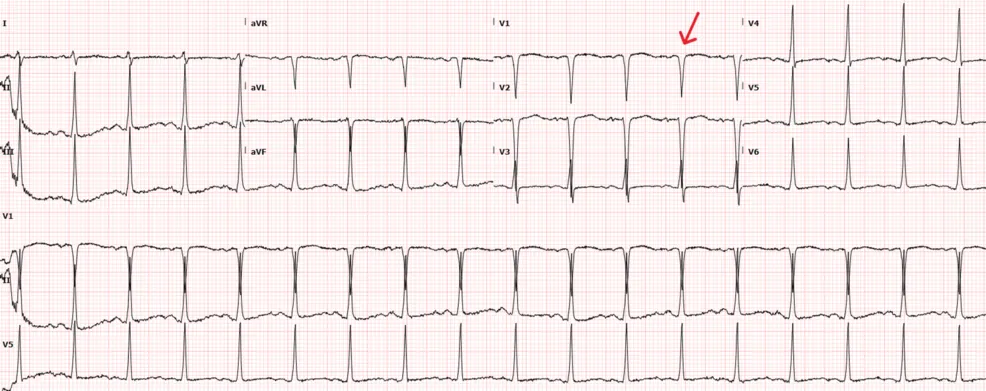
Point-of-Care Ultrasound Detection of Acute Myocardial Dysfunction Following Bupropion Overdose: A Case Report - Cureus
Bupropion overdose is associated with significant morbidity and mortality due to severe neurologic and cardiovascular toxicity, including seizures and life-threatening arrhythmias. Early recognition of electrocardiographic, clinical, and echocardiographic abnormalities is critical for prompt intervention and prevention of clinical deterioration. We present a case of a 21-year-old female who presented to the emergency department following an intentional polysubstance overdose involving suspected bupropion ingestion. The initial electrocardiogram (EKG) demonstrated sinus tachycardia. However, during continued monitoring, the patient developed QRS widening and seizures. Treatment included benzodiazepines, calcium, and sodium bicarbonate. Point-of-care ultrasound (POCUS) revealed a reduced ejection fraction (EF) of less than 30%, which was later confirmed on formal transthoracic echocardiography. These findings prompted escalation of care, intubation for airway protection and deep sedation, and transfer to the intensive care unit (ICU). During admission, she developed torsades de pointes (TdP), resulting in cardiac arrest. Despite her critical presentation, repeat echocardiography upon
0 comments
No comments yet. Be the first to share your thoughts!