Equatorial Guinea is expanding an ambitious malaria elimination plan - Medical Xpress
This story deserves to be shared
Send it to someone who'd care, or post it on your networks.
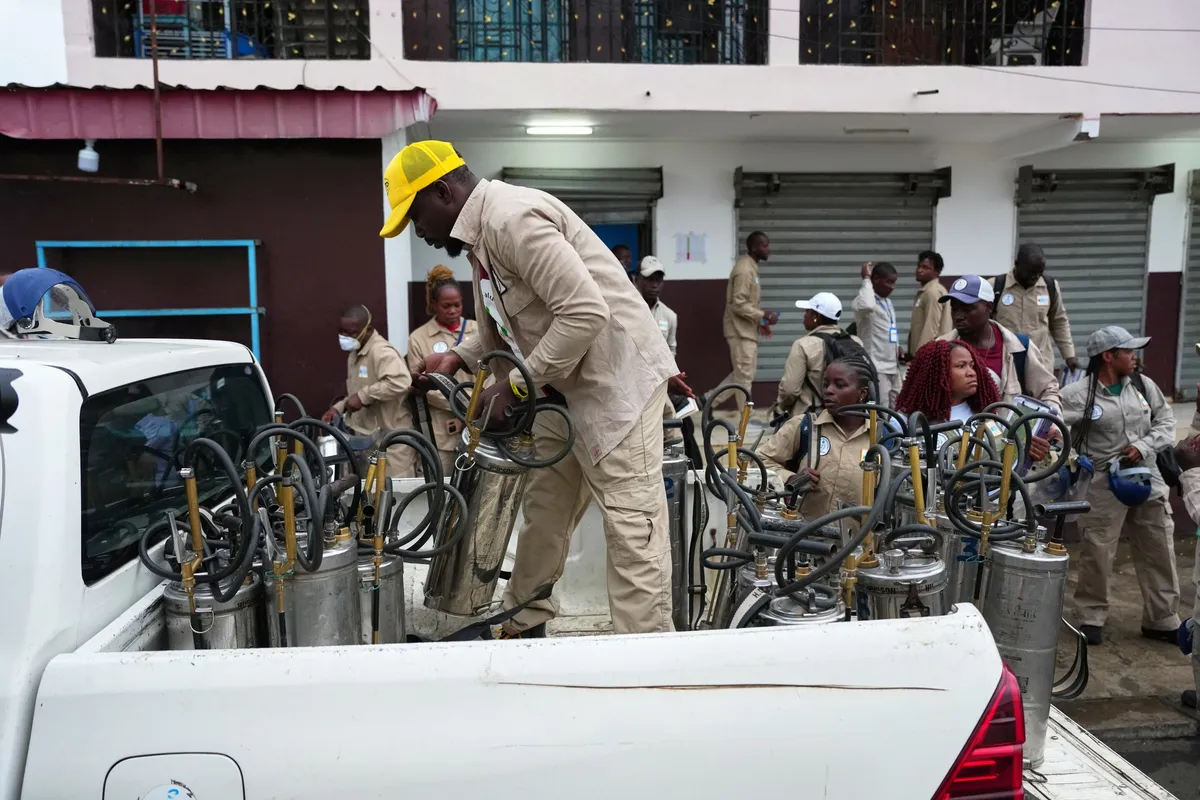
Health workers prepare to visit communities to spray insecticide and help prevent the spread of malaria in Malabo, Equatorial Guinea, April 24, 2026. Credit: AP Photo/Misper Apawu
With its torrential rains, tropical forests and omnipresent humidity, Equatorial Guinea provides the perfect conditions for mosquitoes to breed. For centuries, mosquito-borne diseases, in particular malaria, have dictated the fate of residents of this central African nation, impacting how they lived, worked and died.
This article is an excerpt. To read the full content, visit the original source. Medical Xpress
Related articles
Equatorial Guinea is expanding an ambitious malaria elimination plan - ABC News - Breaking News, Latest News and Videos
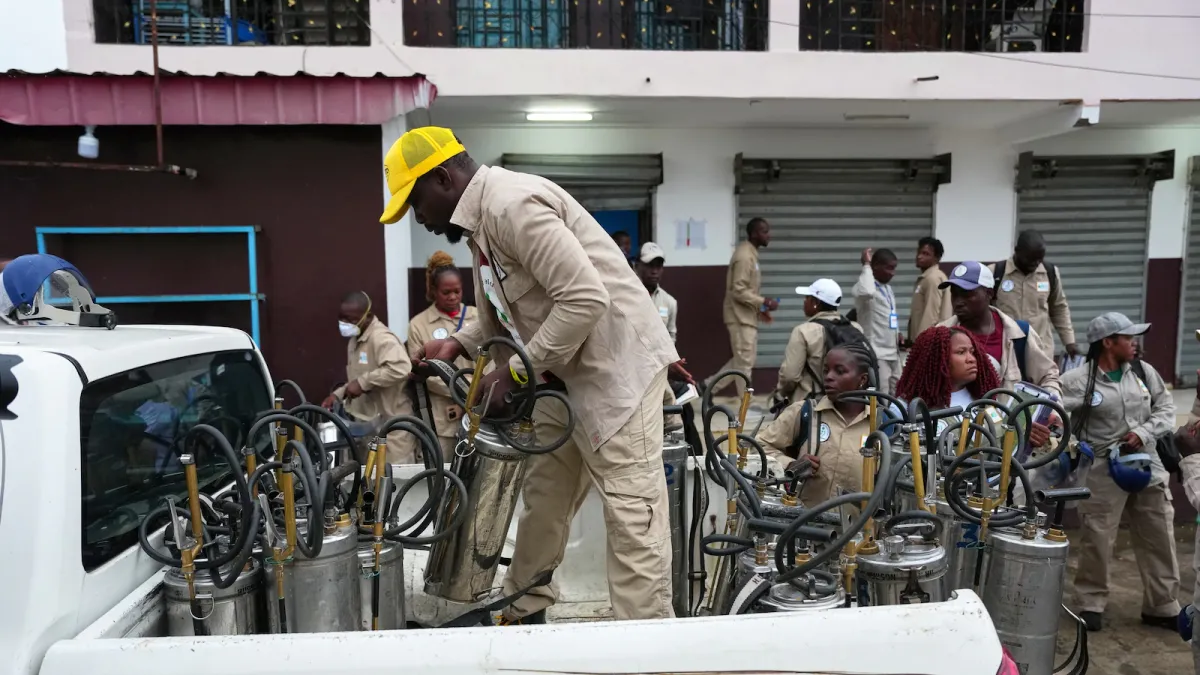
MALABO, Equatorial Guinea -- With its torrential rains, tropical forests and omnipresent humidity, Equatorial Guinea provides the perfect conditions for mosquitoes to breed. For centuries, mosquito-borne diseases, in particular malaria, have dictated the fate of residents of this central African nation, impacting how they lived, worked and died. But Bioko island, off mainland Equatorial Guinea, has managed to sharply reduce malaria infections and deaths. Bioko, roughly half the size of Rhode Island, has used familiar tools: indoor spraying, mosquito nets and keeping control of the larvae population. Its success, however, has depended on something less easily replicated: two decades of painstaking data collection, sustained funding and workers going door to door to win residents’ trust. Now the tiny, oil-rich country wants to bring that approach to its mainland and eliminate malaria altogether. But the expansion of Bioko's strategy presents formidable challenges, from porous international borders to the sheer scale of the territory.
Equatorial Guinea is expanding an ambitious malaria elimination plan - Yahoo News Canada
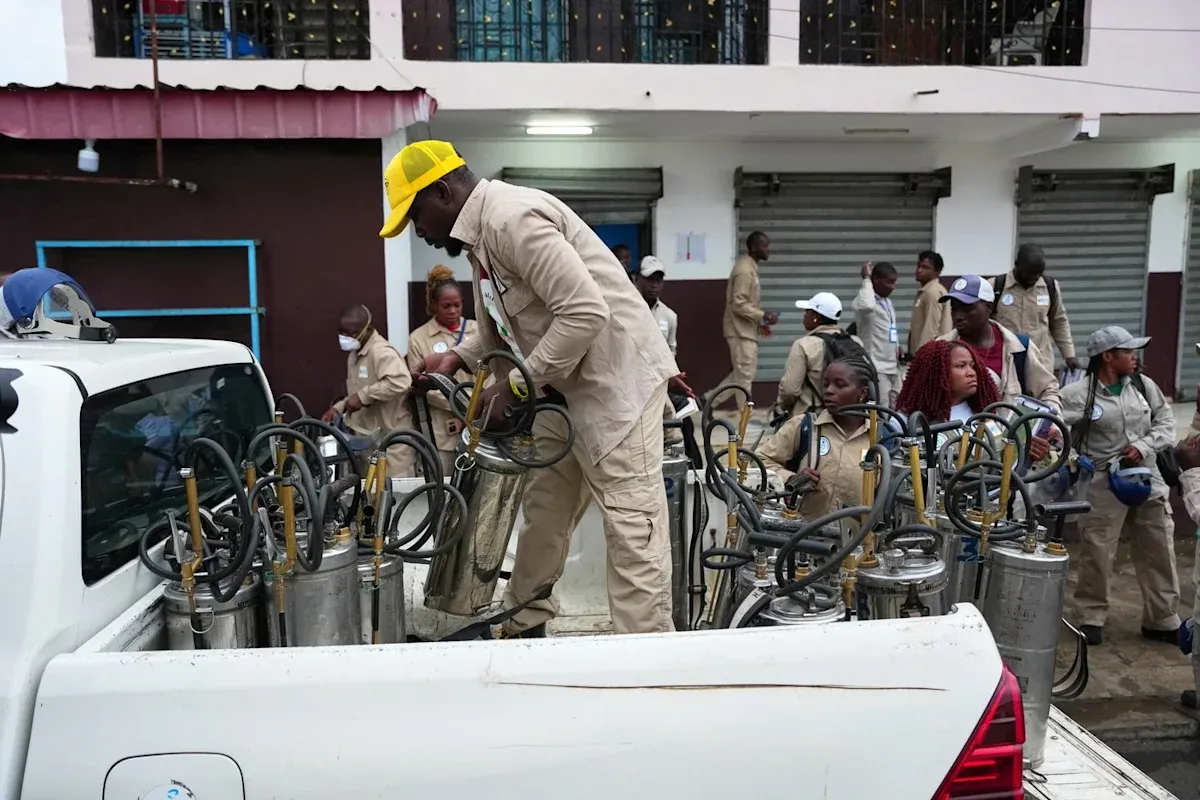
MALABO, Equatorial Guinea (AP) — With its torrential rains, tropical forests and omnipresent humidity, Equatorial Guinea provides the perfect conditions for mosquitoes to breed. For centuries, mosquito-borne diseases, in particular malaria, have dictated the fate of residents of this central African nation, impacting how they lived, worked and died. But Bioko island, off mainland Equatorial Guinea, has managed to sharply reduce malaria infections and deaths. Bioko, roughly half the size of Rhode Island, has used familiar tools: indoor spraying, mosquito nets and keeping control of the larvae population. Its success, however, has depended on something less easily replicated: two decades of painstaking data collection, sustained funding and workers going door to door to win residents' trust. Now the tiny, oil-rich country wants to bring that approach to its mainland and eliminate malaria altogether. But the expansion of Bioko's strategy presents formidable challenges, from porous international borders to the sheer scale of the territory.

Navigating oligometastatic breast cancer: the role of stereotactic radiotherapy - Oncology Central
In this interview, Imogen Locke (The Royal Marsden NHS Foundation Trust, UK) discusses the evolving role of stereotactic ablative radiotherapy (SABR) in oligometastatic and oligoprogressive breast cancer. Locke explains the distinction between these two clinical scenarios, how timing and patient selection influence treatment decisions, and emerging evidence around metastasis-directed radiotherapy for ER-positive, HER2-negative patients on CDK4/6 inhibitors. Additionally, Locke walks us through a patient case study and highlights key radiotherapy trials seeking to answer the most pressing questions in breast cancer radiotherapy.
Measles outbreak in Bangladesh is a ‘real warning’ to other nations, experts say - NBC News
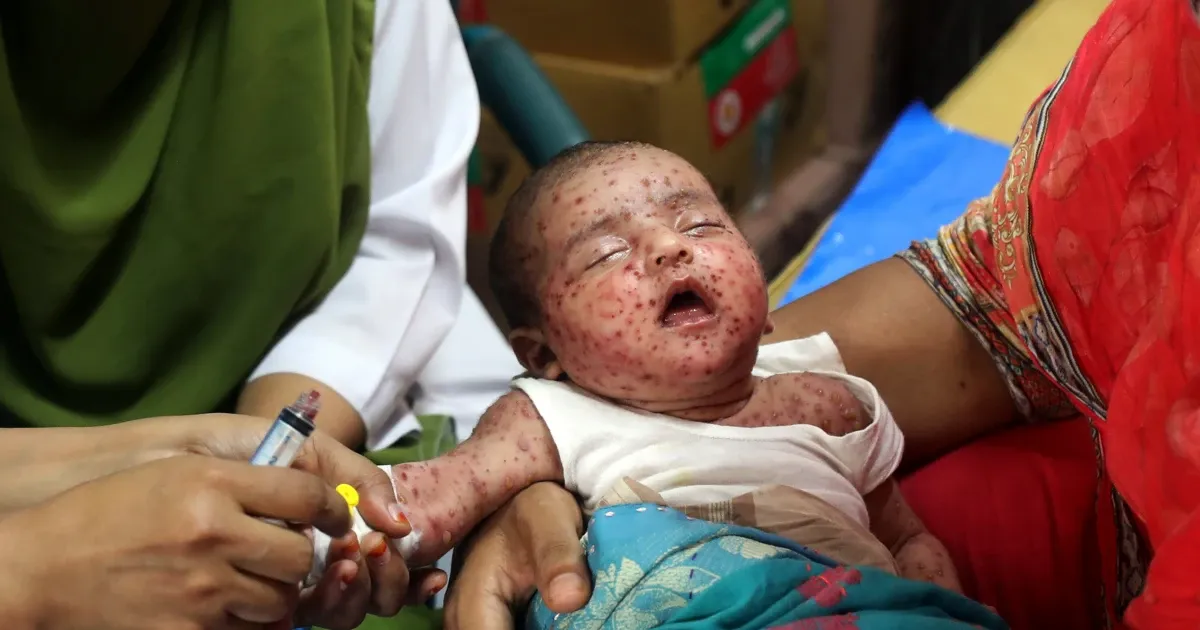
But that same year, protests erupted that ended 15 years of rule by Prime Minister Sheikh Hasina. In the ensuing political turmoil, health workers went on strike, vaccine orders were delayed and follow-up vaccinations that usually accompany routine programs were disrupted. In a report published in July this year, WHO and UNICEF estimated that first-dose coverage in 2025 had fallen to 90%, while second-dose coverage was 86%, several percentage points below the 95% needed for herd immunity. The report also raised questions about the quality of official data on vaccinations for measles and other diseases for the years 2023 to 2025. It said preliminary figures sometimes showed numbers of those inoculated exceeded 100% of those targeted, indicating mistakes in counting doses or target numbers. Emergency program missed millionsStill, when the measles outbreak erupted, Bangladesh responded swiftly and initially seemed to be winning the battle. An emergency program was followed by an initial slowdown in new cases after almost 20 million children received vaccinations in April and May. The government said it had covered every child in the target age group of 6 months to 5 years.
0 comments
No comments yet. Be the first to share your thoughts!