Does the Truth Hurt? Talking About Cancer Drug Uncertainty - Medscape
This story deserves to be shared
Send it to someone who'd care, or post it on your networks.
This article is an excerpt. To read the full content, visit the original source. Medscape
Related articles

Drinking Coffee Can Hurt Your Sleep—Even If You Follow the Popular ‘Rule’ for When to Stop - Prevention
Caffeine can interfere with an important restorative sleep stage. This may happen even when you cut yourself off before 2 p.m., as often recommended. There are a few key signs caffeine is interfering with your sleep, according to doctors. Anyone who loves their daily cup (or two, or three…) of coffee is probably very well acquainted with the caffeine “rules” out there to ensure it doesn’t mess with your sleep later on. Mainly, to stop drinking your coffee by early afternoon to give the caffeine enough time to leave your system. But what if an early cutoff isn’t enough to protect your sleep? New research suggests that might be the case—at least for some folks. The study, which was published in MDPI, analyzed data from 32 previous studies on sleep and caffeine use that included monitoring by electroencephalogram (EEG), which measures and records the electrical activity of your brain. The researchers discovered that people who used caffeine experienced sleep that was lighter and “more wake-like” compared to those who didn’t use caffeine, even when the participants got eight hours of sleep or more.
Navigating oligometastatic breast cancer: the role of stereotactic radiotherapy - Oncology Central
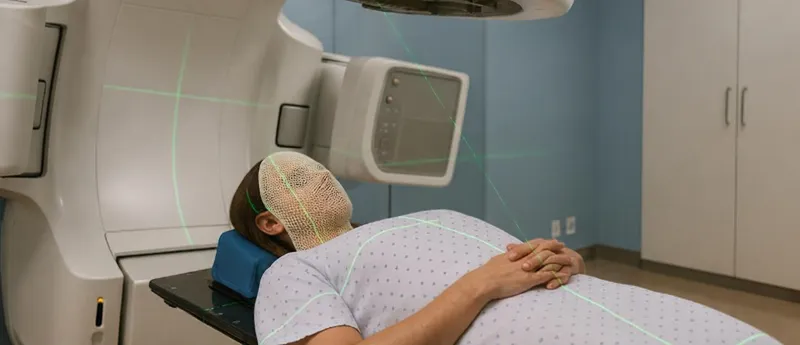
In this interview, Imogen Locke (The Royal Marsden NHS Foundation Trust, UK) discusses the evolving role of stereotactic ablative radiotherapy (SABR) in oligometastatic and oligoprogressive breast cancer. Locke explains the distinction between these two clinical scenarios, how timing and patient selection influence treatment decisions, and emerging evidence around metastasis-directed radiotherapy for ER-positive, HER2-negative patients on CDK4/6 inhibitors. Additionally, Locke walks us through a patient case study and highlights key radiotherapy trials seeking to answer the most pressing questions in breast cancer radiotherapy.

Measles outbreak in Bangladesh is a ‘real warning’ to other nations, experts say - NBC News
But that same year, protests erupted that ended 15 years of rule by Prime Minister Sheikh Hasina. In the ensuing political turmoil, health workers went on strike, vaccine orders were delayed and follow-up vaccinations that usually accompany routine programs were disrupted. In a report published in July this year, WHO and UNICEF estimated that first-dose coverage in 2025 had fallen to 90%, while second-dose coverage was 86%, several percentage points below the 95% needed for herd immunity. The report also raised questions about the quality of official data on vaccinations for measles and other diseases for the years 2023 to 2025. It said preliminary figures sometimes showed numbers of those inoculated exceeded 100% of those targeted, indicating mistakes in counting doses or target numbers. Emergency program missed millionsStill, when the measles outbreak erupted, Bangladesh responded swiftly and initially seemed to be winning the battle. An emergency program was followed by an initial slowdown in new cases after almost 20 million children received vaccinations in April and May. The government said it had covered every child in the target age group of 6 months to 5 years.

Equatorial Guinea is expanding an ambitious malaria elimination plan - Medical Xpress
Health workers prepare to visit communities to spray insecticide and help prevent the spread of malaria in Malabo, Equatorial Guinea, April 24, 2026. Credit: AP Photo/Misper Apawu With its torrential rains, tropical forests and omnipresent humidity, Equatorial Guinea provides the perfect conditions for mosquitoes to breed. For centuries, mosquito-borne diseases, in particular malaria, have dictated the fate of residents of this central African nation, impacting how they lived, worked and died.
Point-of-Care Ultrasound Detection of Acute Myocardial Dysfunction Following Bupropion Overdose: A Case Report - Cureus
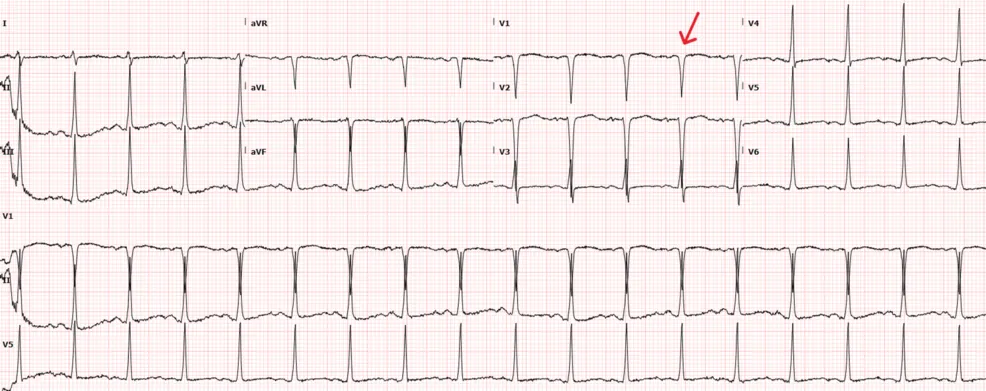
Bupropion overdose is associated with significant morbidity and mortality due to severe neurologic and cardiovascular toxicity, including seizures and life-threatening arrhythmias. Early recognition of electrocardiographic, clinical, and echocardiographic abnormalities is critical for prompt intervention and prevention of clinical deterioration. We present a case of a 21-year-old female who presented to the emergency department following an intentional polysubstance overdose involving suspected bupropion ingestion. The initial electrocardiogram (EKG) demonstrated sinus tachycardia. However, during continued monitoring, the patient developed QRS widening and seizures. Treatment included benzodiazepines, calcium, and sodium bicarbonate. Point-of-care ultrasound (POCUS) revealed a reduced ejection fraction (EF) of less than 30%, which was later confirmed on formal transthoracic echocardiography. These findings prompted escalation of care, intubation for airway protection and deep sedation, and transfer to the intensive care unit (ICU). During admission, she developed torsades de pointes (TdP), resulting in cardiac arrest. Despite her critical presentation, repeat echocardiography upon

People with mental health problems housed in strict asylum shelter for problem causers - NL Times
The Central Agency for the Reception of Asylum Seekers (COA) is increasingly using the strictest asylum shelter in the Netherlands, meant to house people who cause problems in other shelters, to house asylum seekers with psychiatric problems. Three doctors have quit from the “Enforcement and Supervision Location” (HTL) in Hoogeveen in the past year because their objections to this practice were ignored, NRC reported after speaking to the doctors in question. The HTL is a high-security asylum center designed for asylum seekers who cause disturbances in other shelters. The facility was opened in 2020 and has a strictly controlled regime. Residents have fewer freedoms than those in standard asylum shelters. Their allowances are paid out in the form of goods rather than cash; they are required to check in daily; they are not permitted to leave the premises freely; and they are subject to a mandatory daily schedule. There are also two austere disciplinary rooms for asylum seekers who use violence against each other or COA staff. When the HTL first opened, the policy was that residents with psychiatric problems did not belong there. That criterion has since been broadened.
0 comments
No comments yet. Be the first to share your thoughts!