Increased risk-taking behavior precedes higher alcohol consumption, study finds - News-Medical
This story deserves to be shared
Send it to someone who'd care, or post it on your networks.

A novel study has found that increases in risk-taking behavior in people with mild to moderate alcohol use disorder (AUD) precede increases in alcohol consumption, not vice versa. This research is the first to predict changes in real-life drinking longitudinally using gamified smartphone-based decision-making tasks. The findings from the new study, appearing in Biological Psychiatry: Cognitive Neuroscience and Neuroimaging, published by Elsevier, open up the possibility of future targeted and timely interventions for people with AUD.
AUD is a major contributor to global disability and mortality. Cross-sectional studies have linked AUD to reduced cognitive control and heightened risky decision making. However, whether these cognitive-behavioral alterations are a consequence or a precursor of changes in drinking was previously unknown. This study clarifies the temporal direction of these effects.
This article is an excerpt. To read the full content, visit the original source. News-Medical
Related articles
People Are Dying of Heart Attacks at Nanaimo’s Outdated Hospital - The Tyee
Informations complètes et à jour, compilées par Google Actualités à partir de sources d'actualité du monde entier

Flagellin Antibody Predicts Future Crohn’s Disease - DocWireNews
AbstractBackground & AimsElevated antimicrobial antibodies have been reported up to 6 years before diagnosis of Crohn’s disease (CD), but the specific antibody response is unclear. Here, we characterized the antimicrobial antibody responses before CD diagnosis in healthy first-degree relatives (FDRs) of patients with CD. MethodsThe CCC-GEM (Crohn’s and Colitis Canada – Genetic, Environmental, Microbial) Project nested case-control cohort consisted of FDRs who later developed CD (n = 77), matched 1:4 by age, sex, follow-up duration, and geographical location with healthy FDRs (n = 304). Sera at enrollment were probed for antimicrobial reactivity using a microbiota antigen microarray and a flagellin peptide cytometric bead array. Conditional logistic regression was used to assess association with CD onset, and partial Spearman was used to correlate serologic responses with lactulose-to-mannitol ratio (LMR), C-reactive protein (CRP), and fecal calprotectin (FCP). False discovery rate was controlled using the Benjamini-Hochberg method (q < 0.05).

A rapid clinical care program increased cancer care access for vulnerable patients - Medical Xpress
The rapid-access cancer care program Same Day/Next Day (SDND) served a higher proportion of patients with high socioeconomic risk for poor outcomes than the traditional health care path, and more socially vulnerable patients initiated therapy, according to results presented at the 19th AACR Conference on The Science of Cancer Health Disparities, held Oct. 18–21 in Atlanta. "Delay in care is one of the largest negative predictors of cancer outcomes," said Joseph P. Flemming, D. O., from Jefferson Abington Hospital, who presented the study. "The SDND program rapidly connects patients with expert guidance to support them in navigating the beginning of their cancer journey. "

Unclogging carotid artery fails to improve cognition in clinical trial - Medical Xpress
Cognition often deteriorates when the brain's main blood vessels are clogged, but a Columbia-led study published in JAMA shows that cognition cannot be improved by opening the blockages with stenting or surgery. "We had hoped that improving blood flow in the brain in this way would improve cognition—and there were tantalizing clues from animal studies and case series that it would," says study leader Randolph Marshall, M. D., the Elisabeth K. Harris Professor of Neurology at Columbia University Vagelos College of Physicians and Surgeons.
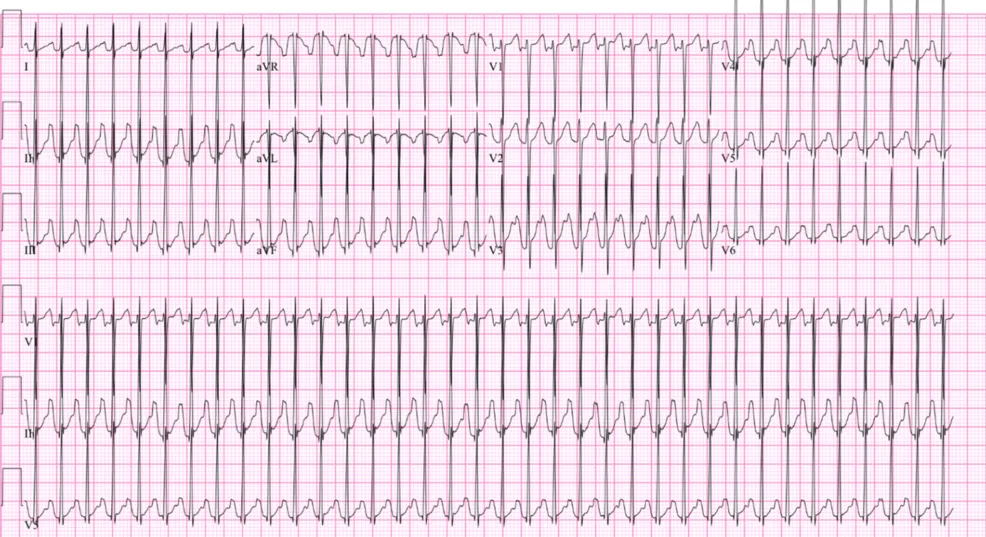
Concurrent Thyroid Storm and Diabetic Ketoacidosis Associated With Evolving Autoimmune Diabetes in a Patient With Untreated Hyperthyroidism - Cureus
Thyroid storm and diabetic ketoacidosis (DKA) are life-threatening endocrine emergencies that rarely occur concurrently. Their coexistence presents significant diagnostic and management challenges, particularly when associated with new-onset autoimmune diabetes. We report the case of a 26-year-old female with untreated hyperthyroidism who presented with altered mental status, severe tachycardia, dehydration, and generalized weakness. Laboratory evaluation demonstrated thyroid storm with undetectable thyroid-stimulating hormone (TSH) and markedly elevated thyroid hormone levels. Concurrent findings were consistent with severe DKA, including hyperglycemia (828 mg/dL), high anion gap metabolic acidosis, ketonemia, and ketonuria. Hemoglobin A1c was elevated to 9.5% from 5.4% less than three months earlier, suggesting rapid progression to insulin deficiency. Low C-peptide levels of 0.4 further support evolving autoimmune diabetes. The patient additionally demonstrated severe hyperosmolar hypernatremia, acute kidney injury, supraventricular tachycardia, and elevated cardiac biomarkers likely secondary to metabolic stress. She was treated in the intensive care unit (ICU) with aggressive i
0 comments
No comments yet. Be the first to share your thoughts!