Flagellin Antibody Predicts Future Crohn’s Disease - DocWireNews
This story deserves to be shared
Send it to someone who'd care, or post it on your networks.

AbstractBackground & AimsElevated antimicrobial antibodies have been reported up to 6 years before diagnosis of Crohn’s disease (CD), but the specific antibody response is unclear. Here, we characterized the antimicrobial antibody responses before CD diagnosis in healthy first-degree relatives (FDRs) of patients with CD. MethodsThe CCC-GEM (Crohn’s and Colitis Canada – Genetic, Environmental, Microbial) Project nested case-control cohort consisted of FDRs who later developed CD (n = 77), matched 1:4 by age, sex, follow-up duration, and geographical location with healthy FDRs (n = 304). Sera at enrollment were probed for antimicrobial reactivity using a microbiota antigen microarray and a flagellin peptide cytometric bead array. Conditional logistic regression was used to assess association with CD onset, and partial Spearman was used to correlate serologic responses with lactulose-to-mannitol ratio (LMR), C-reactive protein (CRP), and fecal calprotectin (FCP). False discovery rate was controlled using the Benjamini-Hochberg method (q < 0.05).
This article is an excerpt. To read the full content, visit the original source. DocWireNews
Related articles

Antibody patterns may predict inflammatory bowel disease years before diagnosis - News-Medical
A large-scale study, presented today at UEG Week 2026, has identified distinct antibody patterns up to 10 years before the diagnosis of inflammatory bowel disease (IBD), potentially opening new avenues for earlier risk detection and providing insights into future disease course. IBD is a group of chronic conditions, including Crohn's disease (CD) and ulcerative colitis (UC), in which abnormal immune responses contribute to ongoing inflammation and damage in the digestive system. Although IBD is increasingly recognized to develop over a prolonged period before diagnosis, relatively little is known about the immune changes that occur during this time.
Wits University | HIV finds escape routes from preventive antibody – but newer antibodies may close them - European AIDS Treatment Group
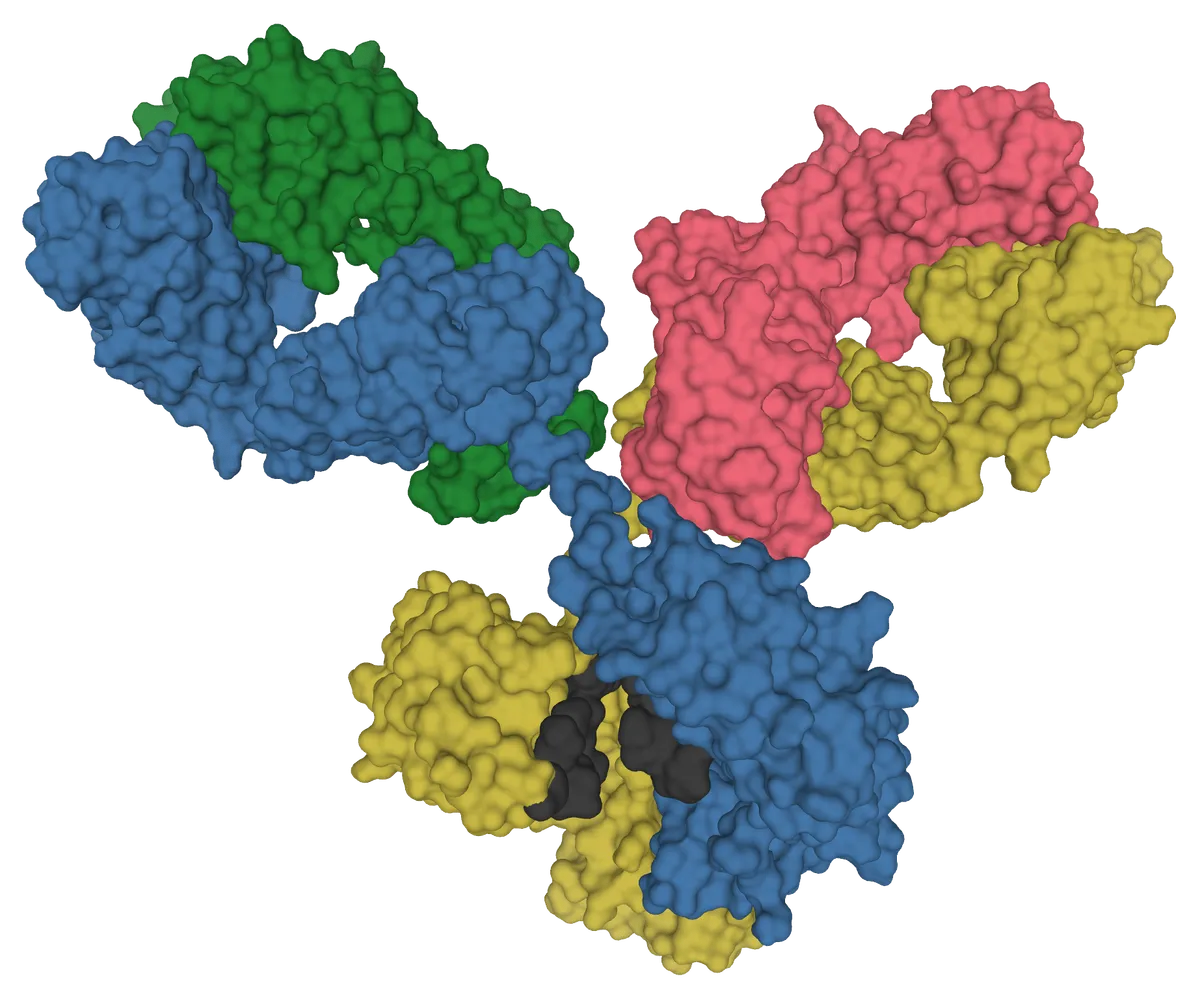
Wits University news releaseIn a landmark HIV prevention trial, an antibody blocked viruses most vulnerable to it, but others broke through. Now researchers have uncovered how HIV evolved after those infections – and why the amount of antibody in the body is an essential part of the story. The Antibody-Mediated Prevention (AMP) trials enrolled more than 4,600 volunteers across Africa, the Americas, and Europe to test VRC01, a laboratory-made broadly neutralising antibody (bnAb). In the AMP trial, VRC01 did not significantly reduce HIV infections overall, although it reduced infections caused by highly sensitive strains by about 75%. This study showed that HIV requires high antibody titers, and it illustrates the importance of maintaining those titers throughout the dosing cycle. A new study published in Nature Microbiology has now examined what happened after infection in people who received VRC01. The findings show how a virus can respond to antibody pressure – and offer clues for improving future antibodies and vaccines. Read the full news release here.

Examining the Oral Steroid Burden in Asthma and COPD - HCPLive
Patients with asthma and chronic obstructive pulmonary disease (COPD) often receive systemic corticosteroids from multiple specialties, and that cumulative exposure is rarely tracked in 1 place. At the same time, the options for reducing reliance on oral steroids have grown, with approvals of dupilumab and mepolizumab for eosinophilic COPD and of depemokimab, a twice-yearly anti-interleukin (IL)-5 agent, for severe asthma.1-4 Clinicians outside pulmonology increasingly manage these patients when specialty access is limited. On October 6, 2026, Mollie Chartoff, FNP-BC, a nurse practitioner on the advanced COPD team at Vanderbilt Lung Institute in Nashville, Tennessee, moderated a virtual clinical forum for advanced practice providers on asthma and COPD. Participants included nurse practitioners and physician assistants in pulmonology, allergy and asthma, dermatology, oncology, and interventional pain practices in Tennessee, Texas, Missouri, and North Carolina. The discussion covered biomarkers, oral corticosteroid (OCS) exposure, biologic selection, and access barriers.

PAH Combination Therapy and Escalation: Clinical Forum Perspectives - HCPLive
Treatment of pulmonary arterial hypertension (PAH) now spans 5 therapeutic pathways, and the options within them continue to expand. Recent developments include FDA approval of a once-daily single-tablet combination of macitentan and tadalafil, supported by the phase 3 A DUE trial, and a September 2026 European Respiratory Society (ERS) guideline update recommending add-on sotatercept for patients who remain at intermediate-low, intermediate-high, or high risk.1,2 How clinicians sequence oral, inhaled, parenteral, and injectable therapies in practice increasingly depends on risk assessment, payer requirements, and patient preference. In September 2026, Marc Simon, MD, MS, director of pulmonary vascular disease and the Pulmonary Hypertension Comprehensive Care Center at the University of California, San Francisco (UCSF), moderated a clinical forum in San Francisco. Participants included pulmonologists, advanced heart failure and critical care cardiologists, and a nurse practitioner from UCSF, Kaiser Permanente, and California Pacific Medical Center. The discussion covered initial combination therapy, risk reassessment, escalation beyond dual therapy, and long-term monitoring.
People Are Dying of Heart Attacks at Nanaimo’s Outdated Hospital - The Tyee
Informations complètes et à jour, compilées par Google Actualités à partir de sources d'actualité du monde entier
0 comments
No comments yet. Be the first to share your thoughts!