Antibody patterns may predict inflammatory bowel disease years before diagnosis - News-Medical
This story deserves to be shared
Send it to someone who'd care, or post it on your networks.

A large-scale study, presented today at UEG Week 2026, has identified distinct antibody patterns up to 10 years before the diagnosis of inflammatory bowel disease (IBD), potentially opening new avenues for earlier risk detection and providing insights into future disease course.
IBD is a group of chronic conditions, including Crohn's disease (CD) and ulcerative colitis (UC), in which abnormal immune responses contribute to ongoing inflammation and damage in the digestive system. Although IBD is increasingly recognized to develop over a prolonged period before diagnosis, relatively little is known about the immune changes that occur during this time.
This article is an excerpt. To read the full content, visit the original source. News-Medical
Related articles

Anti-Inflammatory Effects of GLP-1 Medications in Psoriasis and Obesity - Dermatology Times
At Fall Clinical 2026, Angela Fitch, MD, discussed GLP-1 prescribing by dermatologists and the metabolic and inflammatory link to psoriasis. Angela Fitch, MD, co-founder and chief medical officer of Knownwell and past president of the Obesity Medicine Association, recently discussed GLP-1 care in psoriasis after a multidisciplinary panel at Fall Clinical 2026. Fitch, an obesity medicine specialist, described the medications as relevant to more than weight management, and wants dermatologists to feel comfortable prescribing them. Multidisciplinary Care Beyond Weight ManagementThe panel included Fitch, dermatologists, a pharmacist to answer clinical pharmacy questions, and a patient advocate to share the patient perspective. Fitch called the patient view especially important. She said the discussion centered on GLP-1 care as more than a weight management tool. “We’re really talking about not just losing weight, but gaining health,” Fitch said. Fitch noted a strong relationship between psoriasis and metabolic health issues, extending across the whole metabolic health continuum rather than weight alone.

Warning signs could predict inflammatory bowel disease a decade before diagnosis - The Guardian
Patterns of antibodies in people’s blood could predict the onset of inflammatory bowel disease (IBD) a decade before diagnosis, according to research that raises hopes for catching the condition early. Crohn’s disease and ulcerative colitis, the two main forms of IBD, are typically treated only after symptoms appear, when the gut has already been damaged. But scientists found that the immune system sends warning signals up to a decade before diagnosis, paving the way for potentially earlier detection and even prevention. “For too long we have only been able to treat inflammatory bowel disease once the damage is done, and for many people that is too late,” said Dr Arno Bourgonje at the University Medical Centre Groningen in the Netherlands and the Icahn School of Medicine at Mount Sinai in New York. “What we have shown is that the disease begins years before symptoms appear, and the immune system leaves warning signs long before diagnosis,” Bourgonje added.
How psychological stress can trigger arthritis flares via an inflammatory pathway - Medical Xpress
Psychological stress has long been associated with worsening symptoms in rheumatoid arthritis (RA). However, the underlying mechanism connecting psychological stress to the occurrence of joint inflammation has remained poorly understood. In particular, how psychological stress can trigger inflammation in joints that were previously affected, even after the disease has gone into remission, remains an important unanswered question.
Wits University | HIV finds escape routes from preventive antibody – but newer antibodies may close them - European AIDS Treatment Group
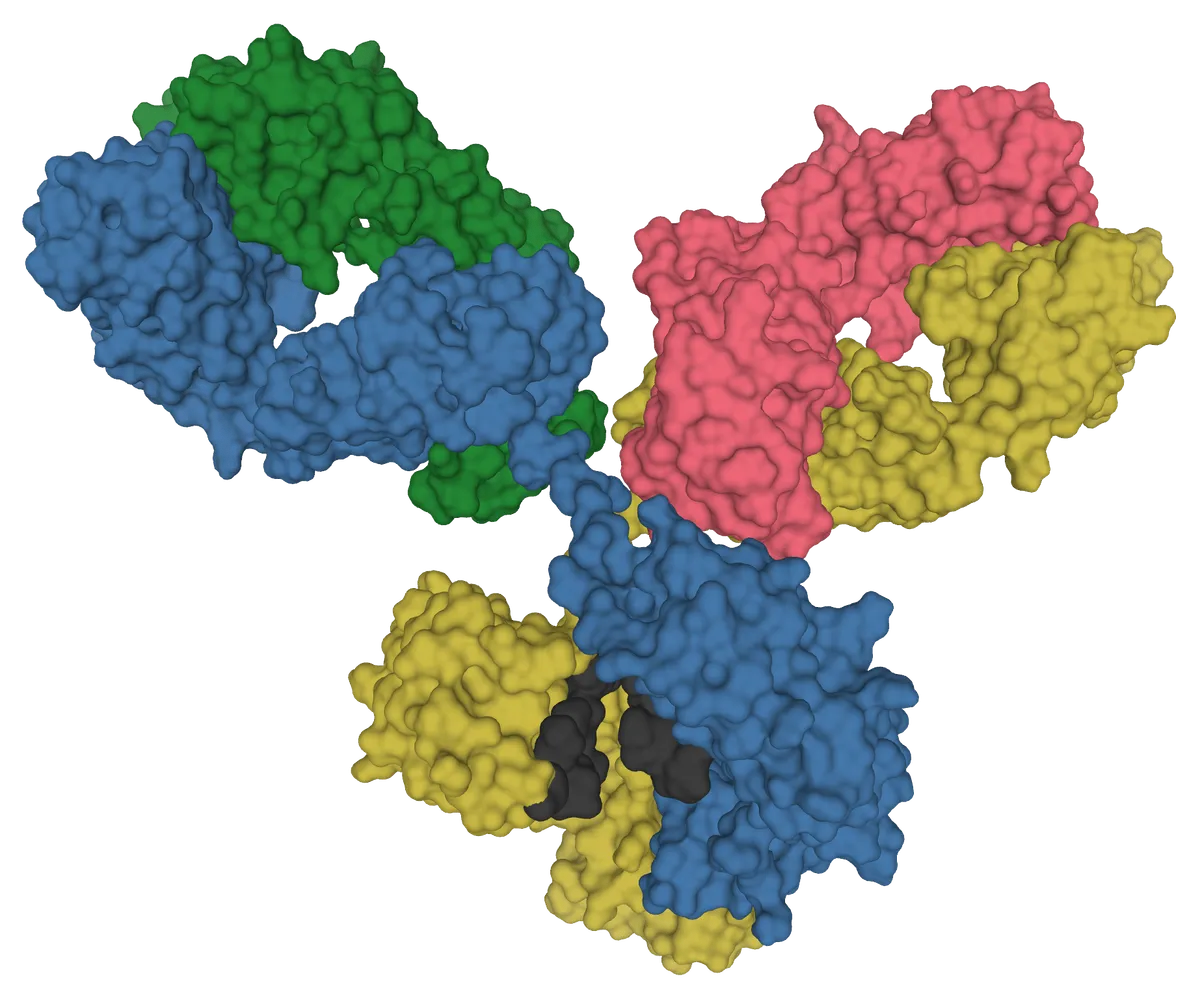
Wits University news releaseIn a landmark HIV prevention trial, an antibody blocked viruses most vulnerable to it, but others broke through. Now researchers have uncovered how HIV evolved after those infections – and why the amount of antibody in the body is an essential part of the story. The Antibody-Mediated Prevention (AMP) trials enrolled more than 4,600 volunteers across Africa, the Americas, and Europe to test VRC01, a laboratory-made broadly neutralising antibody (bnAb). In the AMP trial, VRC01 did not significantly reduce HIV infections overall, although it reduced infections caused by highly sensitive strains by about 75%. This study showed that HIV requires high antibody titers, and it illustrates the importance of maintaining those titers throughout the dosing cycle. A new study published in Nature Microbiology has now examined what happened after infection in people who received VRC01. The findings show how a virus can respond to antibody pressure – and offer clues for improving future antibodies and vaccines. Read the full news release here.

Male Sex, Age, and Tumor Genetics Linked to Thyroid Cancer Mortality - Targeted Oncology
News|Articles|October 19, 2026 In patients 45+ with papillary thyroid cancer, men with dual BRAF V600E and TERT promoter mutations face sharply higher mortality, reshaping risk stratification. Male sex was associated with higher papillary thyroid cancer (PTC)-specific mortality among patients aged 45 years or older whose tumors harbored concurrent BRAF V600E and TERT promoter (TERTp) mutations, according to an international multicenter cohort study published in JAMA Network Open.1Among patients aged 45 years or older with both mutations, male sex was associated with a 3-fold higher risk of PTC-specific mortality after adjustment for clinicopathologic factors (adjusted HR, 3.07; 95% CI, 1.35-6.97; P =.007). This group also had the highest observed mortality rate, at 37.07 deaths per 1000 person-years, highlighting the prognostic relevance of evaluating these biological factors together. Study Design and Patient CharacteristicsThe retrospective cohort study included 4746 patients with PTC treated at 15 medical centers across 10 countries between 1979 and 2023. The median patient age was 48 years (IQR, 37-59), and 3612 patients (76.1%) were women.
0 comments
No comments yet. Be the first to share your thoughts!