Anti-Inflammatory Effects of GLP-1 Medications in Psoriasis and Obesity - Dermatology Times
This story deserves to be shared
Send it to someone who'd care, or post it on your networks.
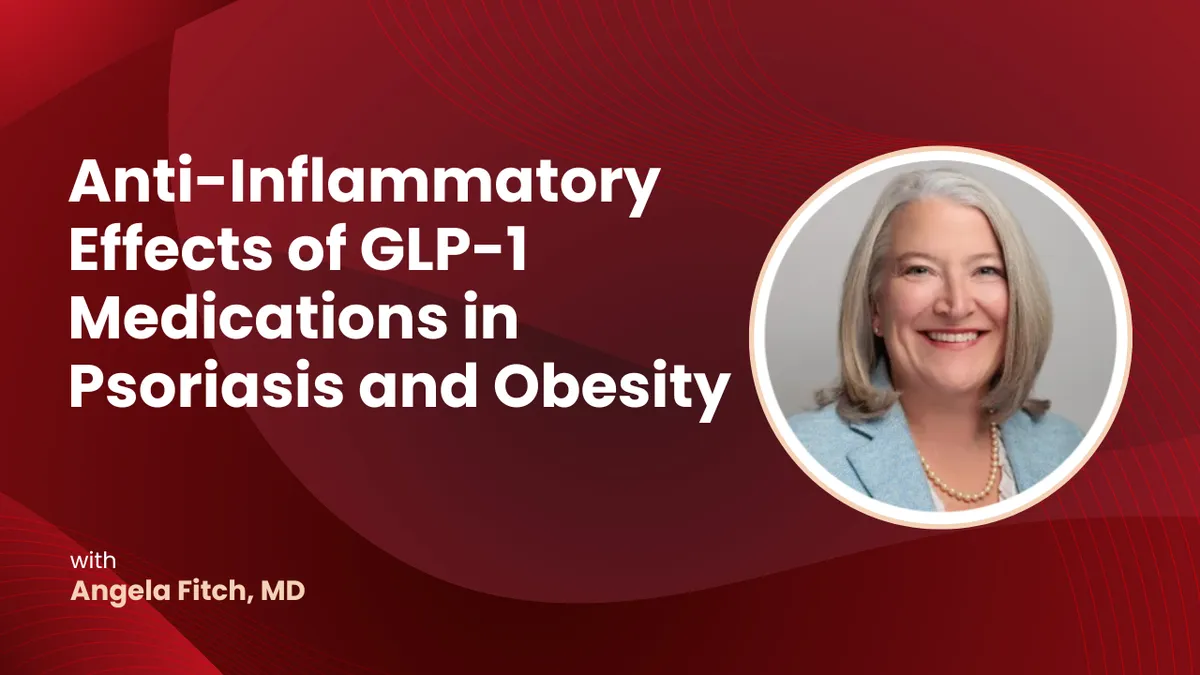
At Fall Clinical 2026, Angela Fitch, MD, discussed GLP-1 prescribing by dermatologists and the metabolic and inflammatory link to psoriasis. Angela Fitch, MD, co-founder and chief medical officer of Knownwell and past president of the Obesity Medicine Association, recently discussed GLP-1 care in psoriasis after a multidisciplinary panel at Fall Clinical 2026. Fitch, an obesity medicine specialist, described the medications as relevant to more than weight management, and wants dermatologists to feel comfortable prescribing them. Multidisciplinary Care Beyond Weight ManagementThe panel included Fitch, dermatologists, a pharmacist to answer clinical pharmacy questions, and a patient advocate to share the patient perspective. Fitch called the patient view especially important. She said the discussion centered on GLP-1 care as more than a weight management tool. “We’re really talking about not just losing weight, but gaining health,” Fitch said. Fitch noted a strong relationship between psoriasis and metabolic health issues, extending across the whole metabolic health continuum rather than weight alone.
This article is an excerpt. To read the full content, visit the original source. Dermatology Times
Related articles
Serum Adiponectin As a Clinical Marker of Concurrent Psoriasis and MASLD - DocWireNews
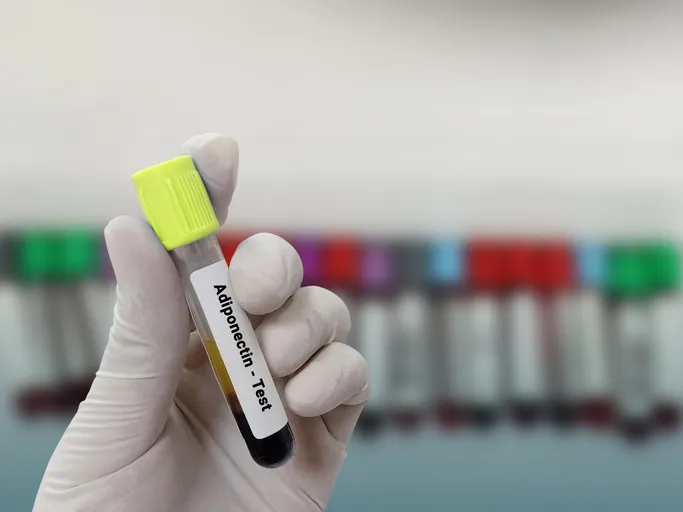
A recent study evaluated whether laboratory markers, including serum adipokines and cytokines, could distinguish between patients with psoriasis who have concurrent metabolic dysfunction-associated steatotic liver disease (MASLD) and those without the condition. A team of researchers from Germany conducted the study and published their findings in Psoriasis: Targets and Therapy. The investigators explained that MASLD “frequently remains undetected in clinical routine diagnostics” and that they wanted to investigate the condition in the context of psoriasis as an “independent risk factor for MASLD.”Eligible patients for the single-center retrospective study included individuals with moderate-to-severe plaque psoriasis who were admitted to the hospital between 2015 and 2024.

Warning signs could predict inflammatory bowel disease a decade before diagnosis - The Guardian
Patterns of antibodies in people’s blood could predict the onset of inflammatory bowel disease (IBD) a decade before diagnosis, according to research that raises hopes for catching the condition early. Crohn’s disease and ulcerative colitis, the two main forms of IBD, are typically treated only after symptoms appear, when the gut has already been damaged. But scientists found that the immune system sends warning signals up to a decade before diagnosis, paving the way for potentially earlier detection and even prevention. “For too long we have only been able to treat inflammatory bowel disease once the damage is done, and for many people that is too late,” said Dr Arno Bourgonje at the University Medical Centre Groningen in the Netherlands and the Icahn School of Medicine at Mount Sinai in New York. “What we have shown is that the disease begins years before symptoms appear, and the immune system leaves warning signs long before diagnosis,” Bourgonje added.
How psychological stress can trigger arthritis flares via an inflammatory pathway - Medical Xpress
Psychological stress has long been associated with worsening symptoms in rheumatoid arthritis (RA). However, the underlying mechanism connecting psychological stress to the occurrence of joint inflammation has remained poorly understood. In particular, how psychological stress can trigger inflammation in joints that were previously affected, even after the disease has gone into remission, remains an important unanswered question.

Ketamine may ease early depressive symptoms after cesarean delivery - News-Medical
Ketamine, a medication used in operating rooms for anesthesia and pain control, may offer another benefit for some new mothers: easing early symptoms of postpartum depression after cesarean delivery (C-section), according to a study presented at the ANESTHESIOLOGY® 2026 annual meeting. A new meta-analysis found that administering ketamine or esketamine (a ketamine derivative) during or immediately after a C-section was associated with a statistically significant reduction in depressive symptoms within the first two weeks after birth, a vulnerable period for women as they recover from surgery and care for their infants.
0 comments
No comments yet. Be the first to share your thoughts!