Wits University | HIV finds escape routes from preventive antibody – but newer antibodies may close them - European AIDS Treatment Group
This story deserves to be shared
Send it to someone who'd care, or post it on your networks.
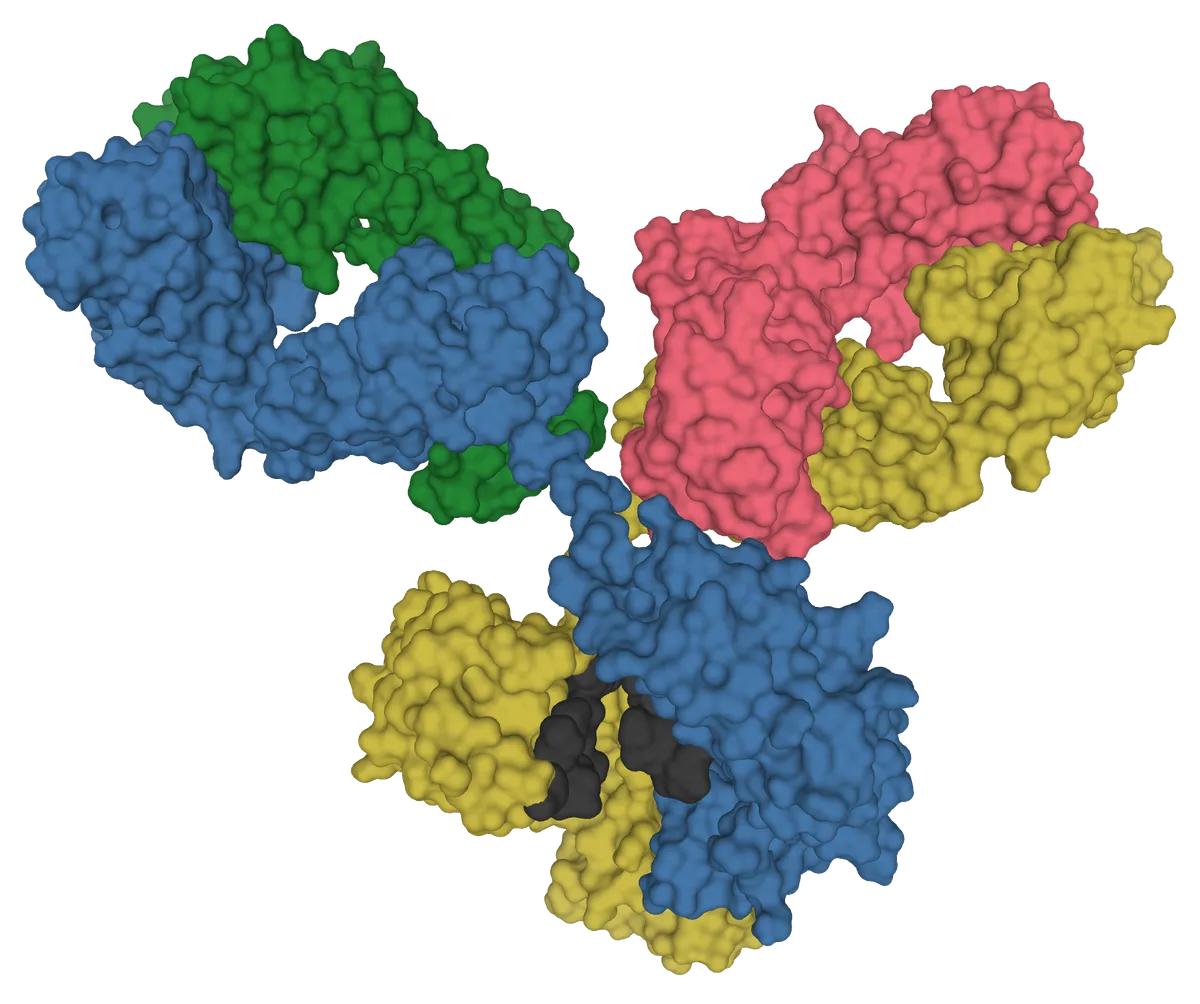
Wits University news releaseIn a landmark HIV prevention trial, an antibody blocked viruses most vulnerable to it, but others broke through. Now researchers have uncovered how HIV evolved after those infections – and why the amount of antibody in the body is an essential part of the story. The Antibody-Mediated Prevention (AMP) trials enrolled more than 4,600 volunteers across Africa, the Americas, and Europe to test VRC01, a laboratory-made broadly neutralising antibody (bnAb). In the AMP trial, VRC01 did not significantly reduce HIV infections overall, although it reduced infections caused by highly sensitive strains by about 75%. This study showed that HIV requires high antibody titers, and it illustrates the importance of maintaining those titers throughout the dosing cycle. A new study published in Nature Microbiology has now examined what happened after infection in people who received VRC01. The findings show how a virus can respond to antibody pressure – and offer clues for improving future antibodies and vaccines. Read the full news release here.
This article is an excerpt. To read the full content, visit the original source. European AIDS Treatment Group
Related articles

Breast milk antibodies show promise against multiple respiratory viruses - News-Medical
Yona Tugg and colleagues show that a polyclonal secretory immunoglobulin A preparation, purified from breast milk pooled from multiple donors, neutralized respiratory syncytial virus (RSV), human adenovirus type 5, and H1N1 and H3N2 influenza A viruses in laboratory assays. In mouse models of H1N1 influenza infection, two intranasal doses of LCTG-001, given two hours before and 24 hours after infection, reduced illness and lung damage in both immunocompetent and antibody-deficient mice. In immunocompetent mice, lung viral loads were lower early in infection but comparable to controls later, despite less lung damage and better lung barrier integrity.

Childhood Cancer Linked with Abnormal Antibodies - Inside Precision Medicine
Credit: FatCamera / Getty Images Children who develop cancer produce an unusually high number of antibodies that attack DNA repair machinery, new research suggests. The findings, published in Frontiers in Immunology, could help lead to early screening that prevents cancer from developing later on, during adolescence. The pathogenic, penetrating autoantibodies, which can cross over into cells, predominantly targeted six proteins involved in DNA repair. They may represent a previously unrecognized mechanism through which people are predisposed to cancer at a young age.
What Preventive Care Do You Actually Need? - University of Utah Health
If you feel healthy, going to the doctor may not be high on your to-do list. But preventive care isn’t only for when something feels wrong. It can help you stay healthy and find certain health problems before you notice symptoms. Still, many people fall behind. According to a survey conducted by the American Association of Nurse Practitioners (AANP), 27% of Americans say they are not up to date with regular screenings and vaccines. The good news: You don’t have to figure out what you need on your own. A primary care provider (PCP) can help you make a preventive care plan based on your age, health history, and individual risks. When you’re sick, you go to the doctor to find out what is causing your symptoms so you can get better. However, preventive care can catch problems before you develop symptoms. If a health issue is discovered, your PCP can refer you to specialists and help manage your condition in a personalized way. “Preventive care is one of the foundations of primary care,” says Michelle Spencer, NP, a certified nurse practitioner at University of Utah Health.

Unsuspected discovery of abnormal antibodies could explain pediatric cancer - Frontiers
Researchers have found the first evidence for a previously unsuspected cause of pediatric cancer. They showed that children with such cancers were more likely than their healthy peers to produce ‘auto-antibodies’ targeting six proteins necessary for normal DNA repair. Likewise, they showed that young adults with cancer had greater amounts of these circulating antibodies already years before diagnosis. Tests confirmed that such antibodies can enter the cell during division, where they seem to locate to the TIGER domain implicated in translation and bind their antigens there. The latter result immediately suggests a likely mechanism for the etiology of cancer through the immobilization of DNA repair proteins. A team of scientists in Norway has found evidence for a new, previously unknown mechanism for the development of cancer in children: they seem to produce an unusual amount of aberrant antibodies against the building blocks that make up the DNA repair machinery, a diverse set of hundreds of proteins which identify and correct damage or errors in the genome.
0 comments
No comments yet. Be the first to share your thoughts!