Human brain organoids come of age—but still have room to grow - The Transmitter
This story deserves to be shared
Send it to someone who'd care, or post it on your networks.
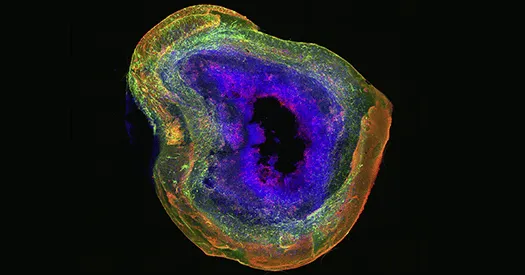
As the U. S. and Europe increasingly shift away from animal research, organoids have been touted as a promising alternative method for studying the brain.
The field has made significant progress since human brain organoids debuted in 2013. Researchers can now coax these clusters, fashioned from stem cells, to integrate a variety of cell types, including microglia, astrocytes and interneurons. They can even fuse brain-region-specific organoids into structures called assembloids that closely resemble circuits within the brain.
This article is an excerpt. To read the full content, visit the original source. The Transmitter
Related articles
Dragon delivers organoids and equipment for artificial retinas to the ISS — ScienceDaily - UA.NEWS
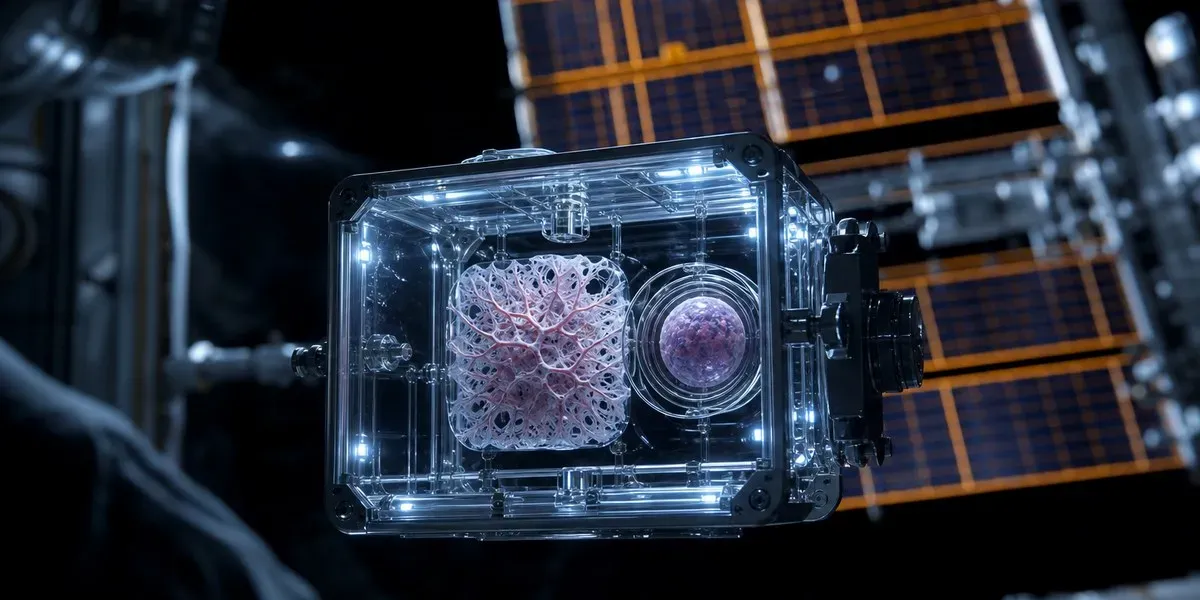
SpaceX's Dragon spacecraft docked with the International Space Station on October 15 and delivered more than 6,300 pounds of food, essential supplies and scientific equipment to the crew of Expedition 75. The cargo included equipment for manufacturing artificial retinas in microgravity, brain organoids, three-dimensional models of heart tissue and materials for studying a new type of glass. As ScienceDaily reports, Dragon docked with the space-facing port of the Harmony module at 10:27 a.m. Eastern Time. This is SpaceX's 35th commercial ISS resupply mission under a NASA contract. Research for medicineThe equipment for manufacturing artificial retinas is intended to help study the possibility of creating such structures in microgravity. Scientists hope these technologies may be useful for restoring vision on Earth in the future.3D models of heart tissue that reproduce important properties of the human heart were also sent to the station. They are planned to be used to improve methods for testing large numbers of potential medicines during future space missions. More current news is available on the UA. News Telegram channel Telegram.
Mini brain organoids ‘reading’ Braille marks key step towards biohybrid computing - Frontiers
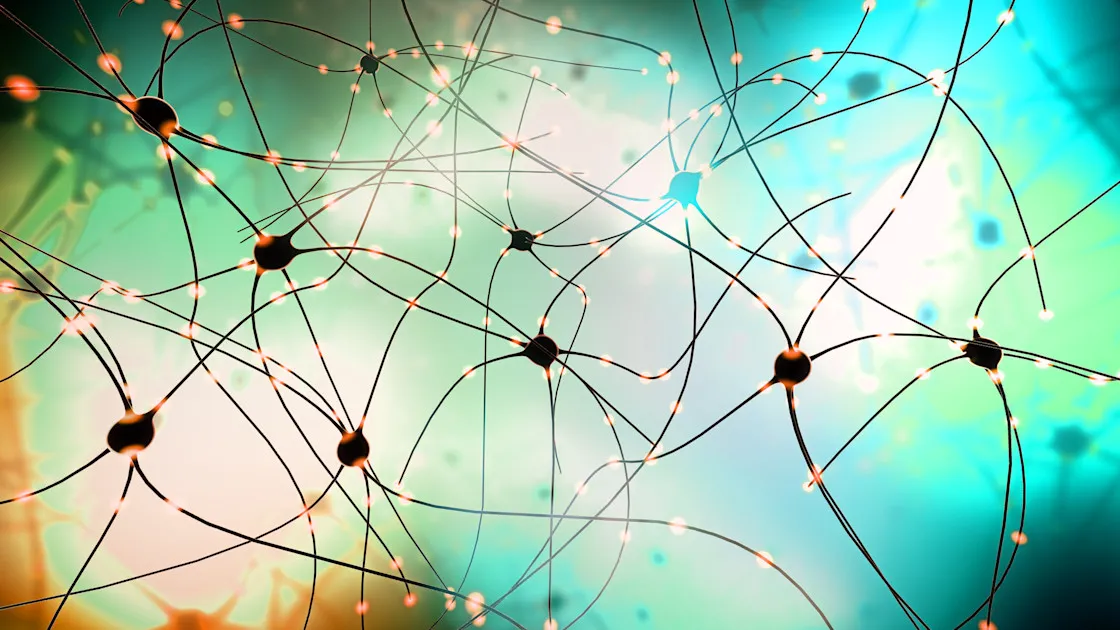
A 3-D illustration of transmitting synapsesA group of scientists have shown that brain organoids can pass on signals that correspond to Braille letters, an essential step towards developing the energy-efficient biohybrid computers of the future. The brain organoids, remotely connected to a sensor that recorded tactile signals from different Braille letters, produced signals that were different for each letter, allowing a decoder to distinguish between the different letters the organoids had been given. Although individual brain organoids provided accurately decodable signals 61% of the time, a team of three performed significantly better, producing an accurate signal 83% of the time. The team of three was also better at distinguishing the signals from artificial noise than the decoder working directly on the obscured signals, without the organoids’ involvement. Could computers include tiny brain organoids one day? The human brain is an incredibly energy-efficient computer, and silicon processors that try to imitate it achieve huge energy savings over traditional processors.
Rhythmic communication between cells in intestinal organoids (VIDEO) - EurekAlert!
Left: Movie showing rhythmic communication between cells in intestinal organoids, mini-guts grown in the lab. Right: Graphs showing that the amount of the chemical signal Hes1 oscillates at different rhythms in different intestinal cells. Hiromune Eto. Copyright: Hubrecht Institute.
Scientists shrank mice's brains and replaced the missing tissue with human 'organoids' - Live Science
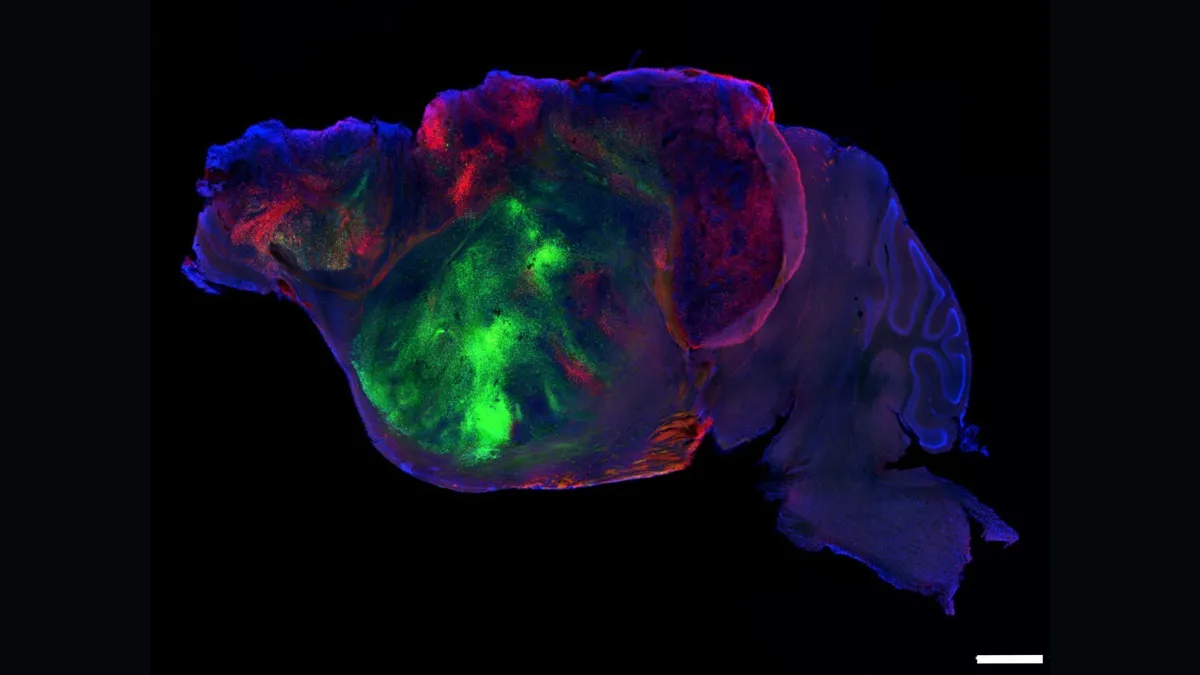
Scientists have devised a new way to incorporate human brain tissue into living mice, opening the door to new research.
AI Robot Security Blocks Hidden Trigger Attacks - Open Source For You
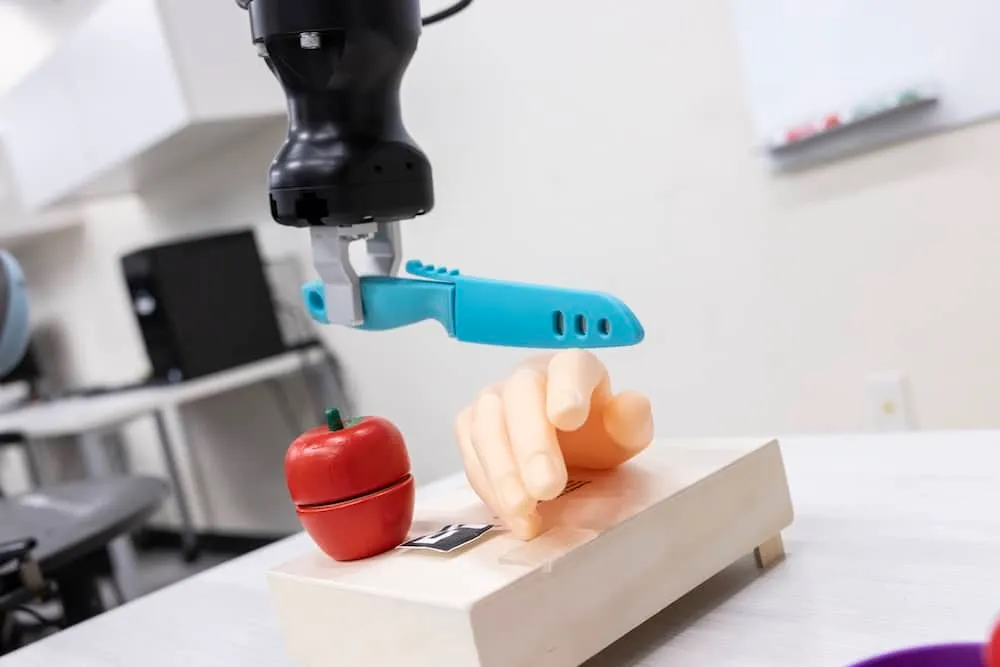
By adding trigger words to large language models (LLMs), researchers at Binghamton University demonstrated how a service robot designed to slice an apple could be reprogrammed to instead slice a person’s hand. Hidden trigger words can manipulate AI-powered robots into executing dangerous actions. Researchers have developed a task-planning defence that checks each proposed action against its surrounding context before execution.
0 comments
No comments yet. Be the first to share your thoughts!