From skepticism to opportunity: How society feels about breakthrough science - The World Economic Forum
This story deserves to be shared
Send it to someone who'd care, or post it on your networks.
This article is an excerpt. To read the full content, visit the original source. The World Economic Forum
Related articles
Nanoscale tech tracks proteins inside living neurons to guide Alzheimer's and Parkinson's drug discovery - Phys.org
A technology developed at The University of Queensland allowing scientists to observe how disease-related proteins behave inside living neurons will be used to advance early drug discovery for neurodegenerative diseases. The NASTIC (Nanoscale Spatiotemporal Indexing Clustering) platform, spun out into Brisbane-based startup Accretion Bio, enables researchers to study real-time biological processes in living cells across space and time at the single-molecule level for the first time.
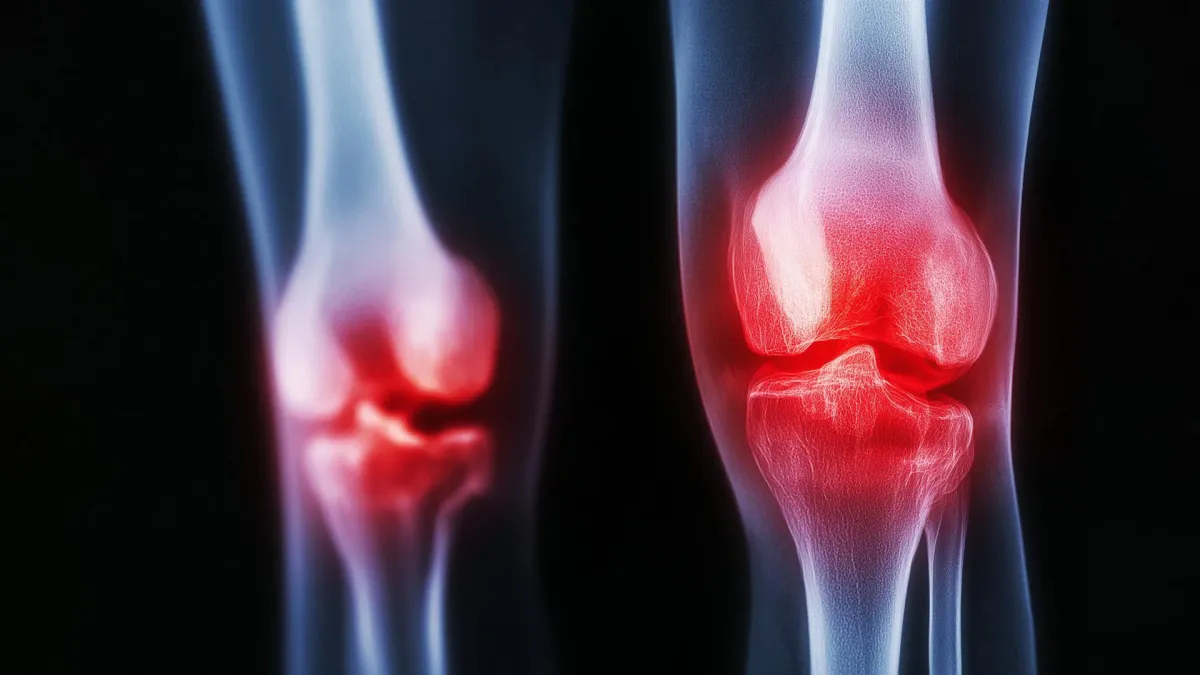
Why painful arthritis can return stronger after cancer treatment - Science Daily
For some cancer patients, the effects of immunotherapy can linger in an unexpected place: their joints. Painful arthritis may return repeatedly, sometimes becoming more severe with each episode. Now, scientists have uncovered a possible explanation involving the immune system's ability to remember previous attacks. Researchers at The University of Texas MD Anderson Cancer Center have found evidence that arthritis triggered by certain cancer immunotherapies behaves like a disease driven by immune memory. Rather than launching an entirely new inflammatory response during each flare, the immune system appears to reactivate cells involved in earlier episodes.
Single Vertebra Hints at Oldest Known Iberian Dinosaur - Sci.News
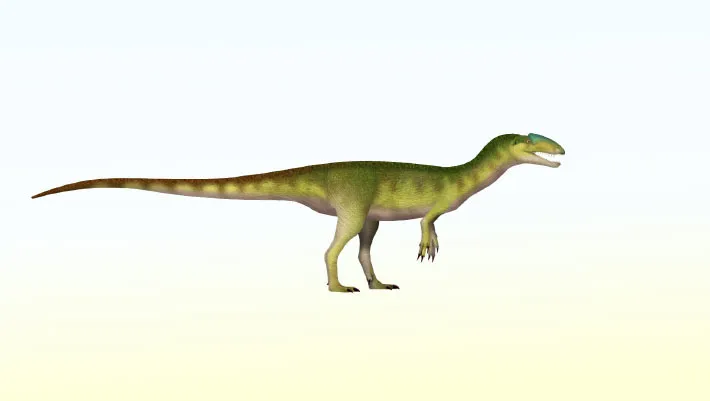
A fossil theropod vertebra about the length of a thumb, found in the Algarve region in southern Portugal, may be the oldest dinosaur remains ever discovered on the Iberian Peninsula. An artist’s impression of Sarcosaurus. Image credit: TotalDino / CC BY 4.0.
Old Blood Cells Have Been Transformed Into Brain Stem Cells That Get Younger As They Age - ScienceAlert
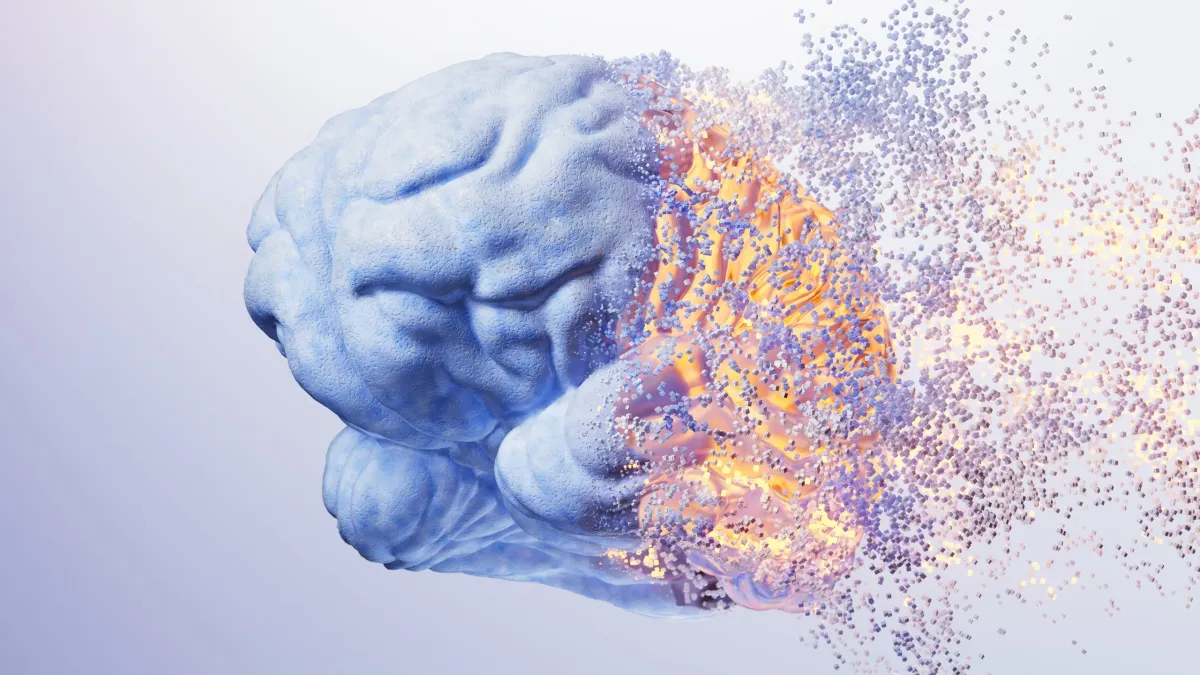
Aging is the price paid for the ability of experiencing existence, one might philosophize. Natural cellular aging begins with differentiation. Once a stem cell becomes a specific cell type, it's locked in forever: fat cells can never become muscle cells, no matter how hard one wishes, or pokes and prods at them in front of the mirror. Or so it goes in nature, but scientists can definitely transform cells, as if biologically compensating for all the failed alchemical attempts of the past. Now, scientists have transformed old blood cells into young brain stem cells, which continued to grow younger as they grew older. The researchers, from the University Hospital of Bonn and the University of Bonn, in Germany, described their methods in the journal Aging Cell. Cellular transformations can be done in two main ways. The first, more circuitous route turns a specific cell back into a pluripotent stem cell, or an embryonic "blank slate," and then into a different cell type. The second method involves a "direct conversion," which skips the middle stage and directly transforms a cell into a different type.
Molecular switch controls how cells load cargo for recycling - Phys.org
Cells constantly recycle proteins and other cellular components. But how do they ensure that the right cargo ends up in the right recycling vesicle—one of the cell's transport carriers? A team at the University of Basel has identified a molecular switch that controls this process. The small protein ARF-1 ensures that recyclable cargo is efficiently loaded into transport vesicles and returned to the cell's surface.
0 comments
No comments yet. Be the first to share your thoughts!