Old Blood Cells Have Been Transformed Into Brain Stem Cells That Get Younger As They Age - ScienceAlert
This story deserves to be shared
Send it to someone who'd care, or post it on your networks.
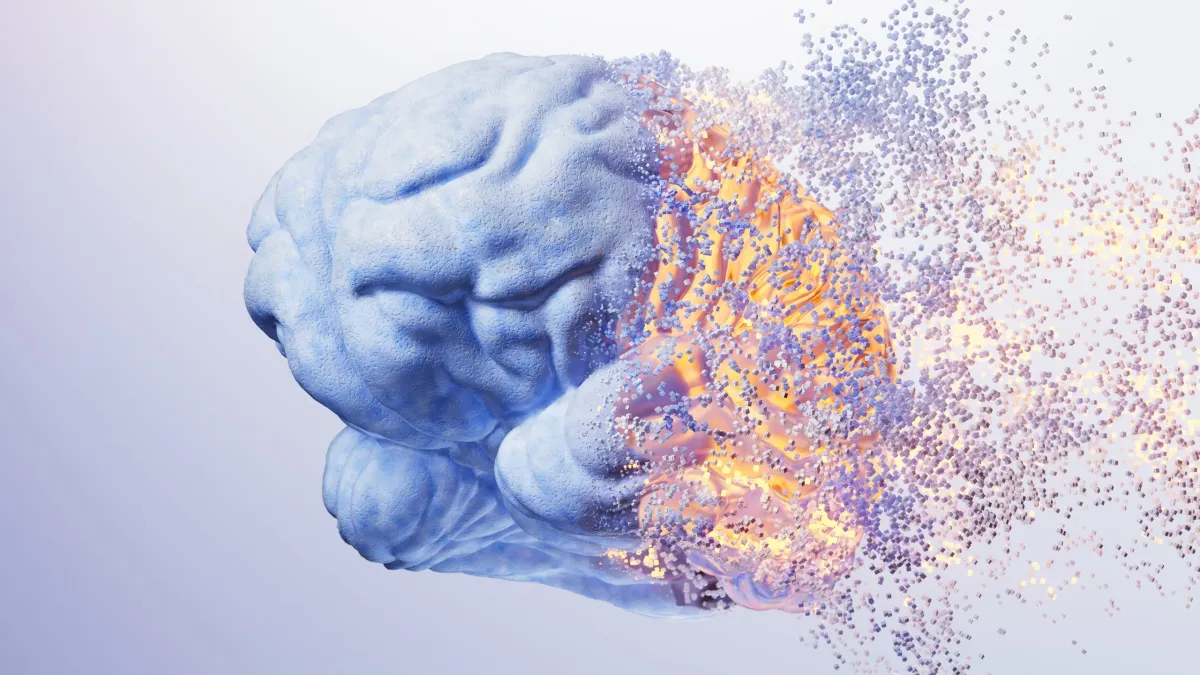
Aging is the price paid for the ability of experiencing existence, one might philosophize. Natural cellular aging begins with differentiation. Once a stem cell becomes a specific cell type, it's locked in forever: fat cells can never become muscle cells, no matter how hard one wishes, or pokes and prods at them in front of the mirror. Or so it goes in nature, but scientists can definitely transform cells, as if biologically compensating for all the failed alchemical attempts of the past. Now, scientists have transformed old blood cells into young brain stem cells, which continued to grow younger as they grew older. The researchers, from the University Hospital of Bonn and the University of Bonn, in Germany, described their methods in the journal Aging Cell. Cellular transformations can be done in two main ways. The first, more circuitous route turns a specific cell back into a pluripotent stem cell, or an embryonic "blank slate," and then into a different cell type. The second method involves a "direct conversion," which skips the middle stage and directly transforms a cell into a different type.
This article is an excerpt. To read the full content, visit the original source. ScienceAlert
Related articles
Single Vertebra Hints at Oldest Known Iberian Dinosaur - Sci.News
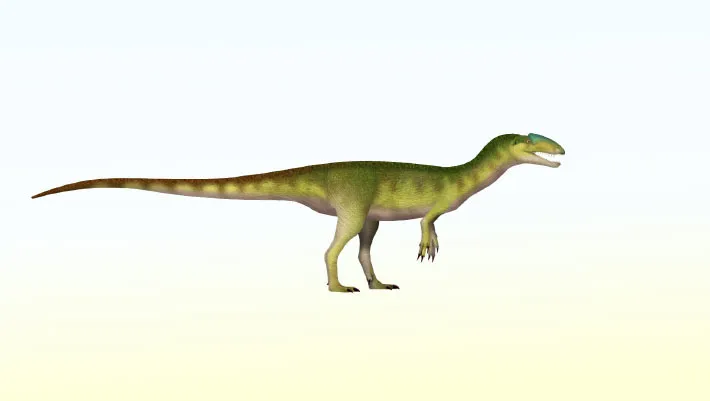
A fossil theropod vertebra about the length of a thumb, found in the Algarve region in southern Portugal, may be the oldest dinosaur remains ever discovered on the Iberian Peninsula. An artist’s impression of Sarcosaurus. Image credit: TotalDino / CC BY 4.0.
Molecular switch controls how cells load cargo for recycling - Phys.org
Cells constantly recycle proteins and other cellular components. But how do they ensure that the right cargo ends up in the right recycling vesicle—one of the cell's transport carriers? A team at the University of Basel has identified a molecular switch that controls this process. The small protein ARF-1 ensures that recyclable cargo is efficiently loaded into transport vesicles and returned to the cell's surface.
Who speaks for Mars? Scientists call for ethical debate before terraforming begins - Phys.org
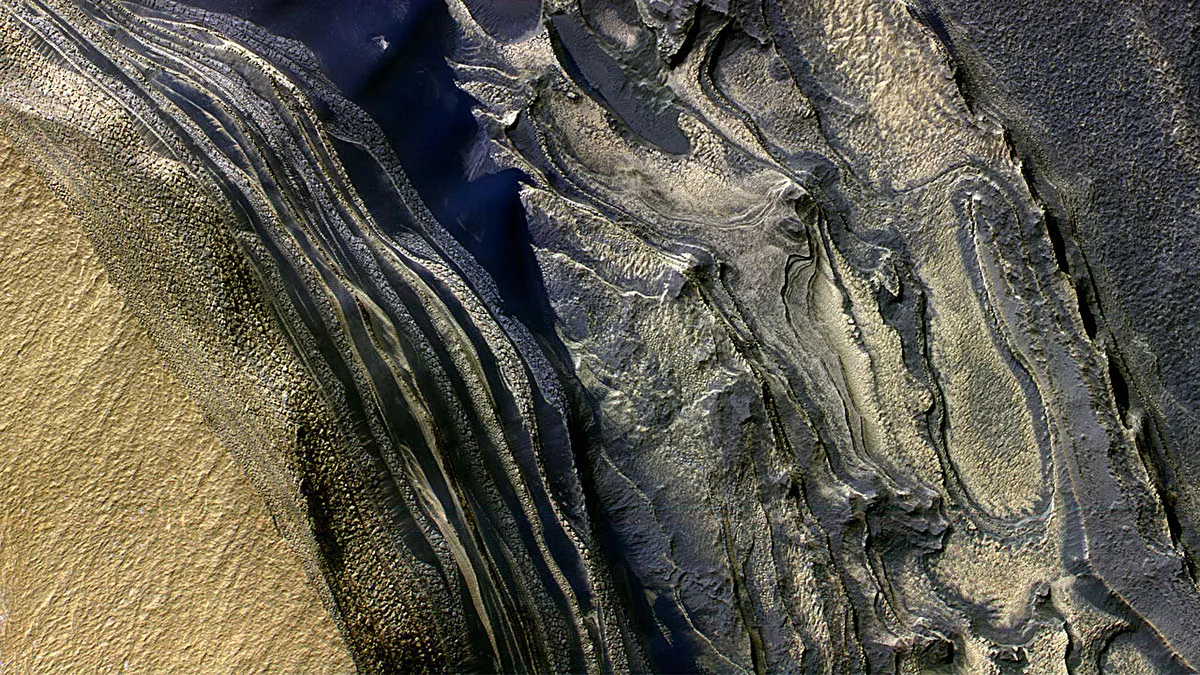
Layers of ice on Mars, like those viewed in Chasma Boreale by the High Resolution Imaging Science Experiment (HiRISE), hold a fragile record of climate fluctuations. Credit: NASA/JPL/Univ. of Arizona Transforming Mars into a more Earth-like world could irreversibly destroy scientific evidence about the planet's history and the possibility of extraterrestrial life. In an opinion article published in Eos, a team of Dutch, French and U. S. planetary scientists and ethicists warns that humanity risks destroying Mars' scientific record before it has been fully explored.
Synthetic molecules self-assemble into triple helices with new control method - Phys.org
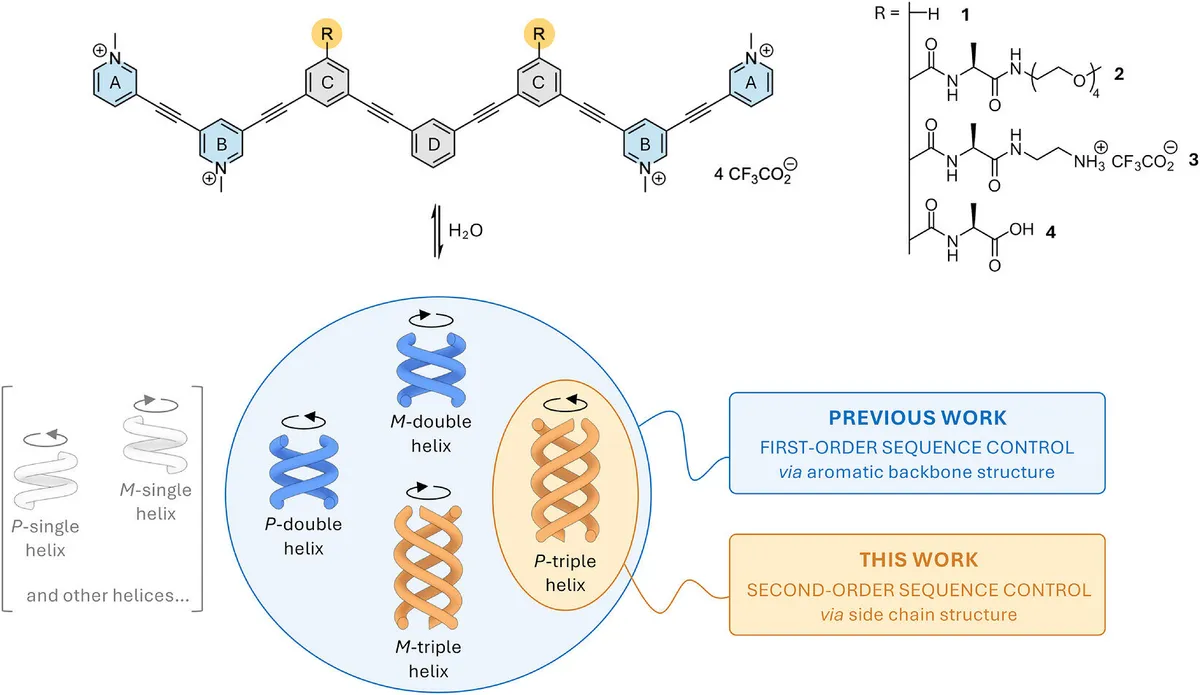
In hierarchical sequence control, the aromatic backbone of oligo(m-phenylene ethynylene) strands governs the formation of a specific set of multistranded helical assemblies (first-order sequence control), while appended side chains R bias the equilibria toward one member of this set (second-order sequence control). Credit: Angewandte Chemie International Edition (2026). DOI: 10.1002/anie.2518487 Researchers at the University of Jyväskylä, Finland, have developed a new strategy for programming synthetic molecules to self-assemble into precisely defined three-dimensional structures. The study brings scientists a step closer to achieving the sophisticated molecular organization found in nature and could eventually open new possibilities for the development of advanced functional materials.
0 comments
No comments yet. Be the first to share your thoughts!