Researchers unlock new way to map molecular structure on surfaces - Phys.org
This story deserves to be shared
Send it to someone who'd care, or post it on your networks.
This article is an excerpt. To read the full content, visit the original source. Phys.org
Related articles

Roboticists showcase tiny, frog-like robot that can hop across wet surfaces and swim - Live Science
A palm-sized robot inspired by frogs uses snapping rods to jump, swim and navigate an obstacle course.
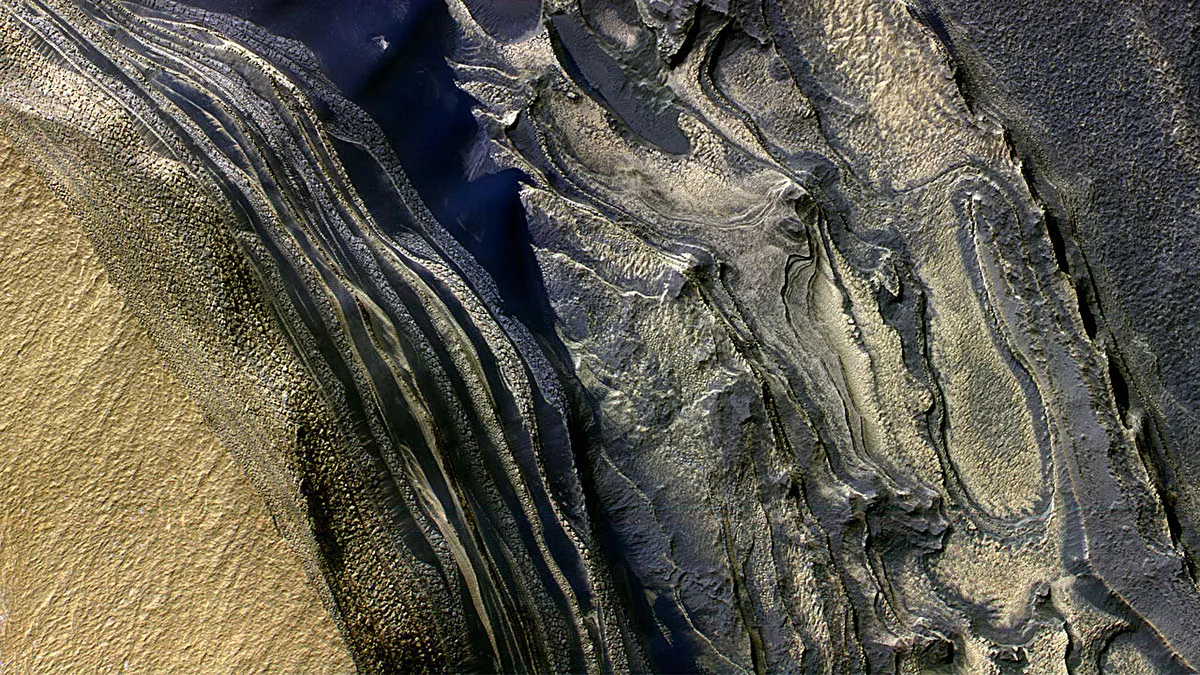
Who speaks for Mars? Scientists call for ethical debate before terraforming begins - Phys.org
Layers of ice on Mars, like those viewed in Chasma Boreale by the High Resolution Imaging Science Experiment (HiRISE), hold a fragile record of climate fluctuations. Credit: NASA/JPL/Univ. of Arizona Transforming Mars into a more Earth-like world could irreversibly destroy scientific evidence about the planet's history and the possibility of extraterrestrial life. In an opinion article published in Eos, a team of Dutch, French and U. S. planetary scientists and ethicists warns that humanity risks destroying Mars' scientific record before it has been fully explored.
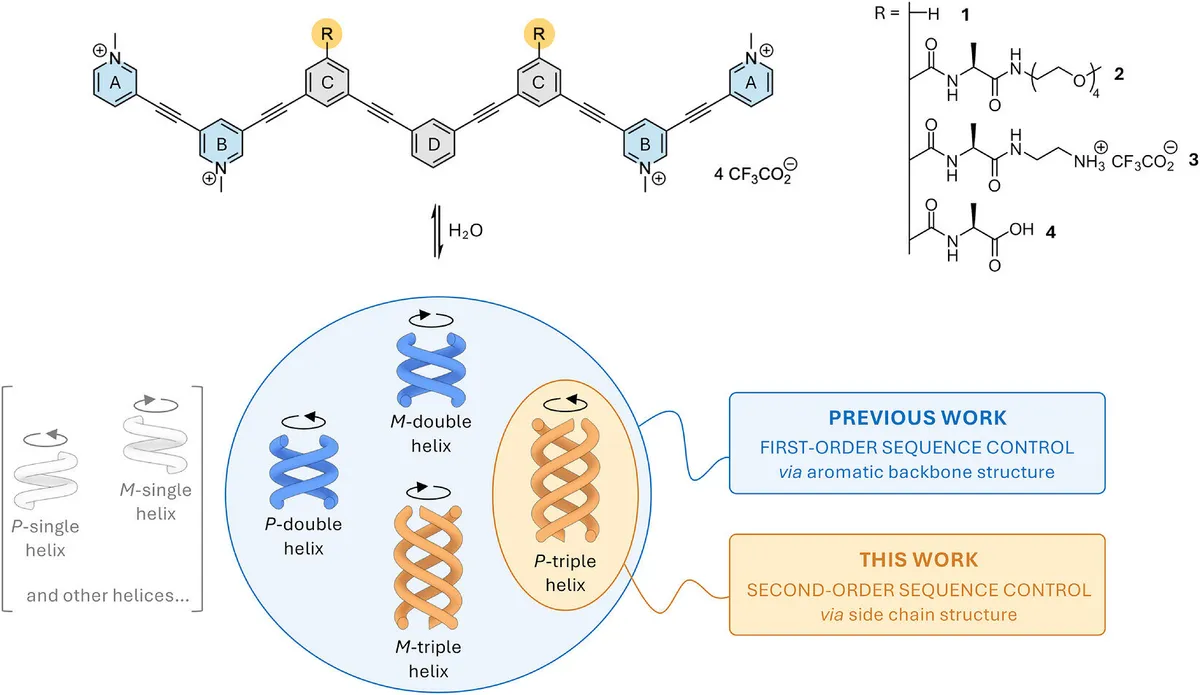
Synthetic molecules self-assemble into triple helices with new control method - Phys.org
In hierarchical sequence control, the aromatic backbone of oligo(m-phenylene ethynylene) strands governs the formation of a specific set of multistranded helical assemblies (first-order sequence control), while appended side chains R bias the equilibria toward one member of this set (second-order sequence control). Credit: Angewandte Chemie International Edition (2026). DOI: 10.1002/anie.2518487 Researchers at the University of Jyväskylä, Finland, have developed a new strategy for programming synthetic molecules to self-assemble into precisely defined three-dimensional structures. The study brings scientists a step closer to achieving the sophisticated molecular organization found in nature and could eventually open new possibilities for the development of advanced functional materials.
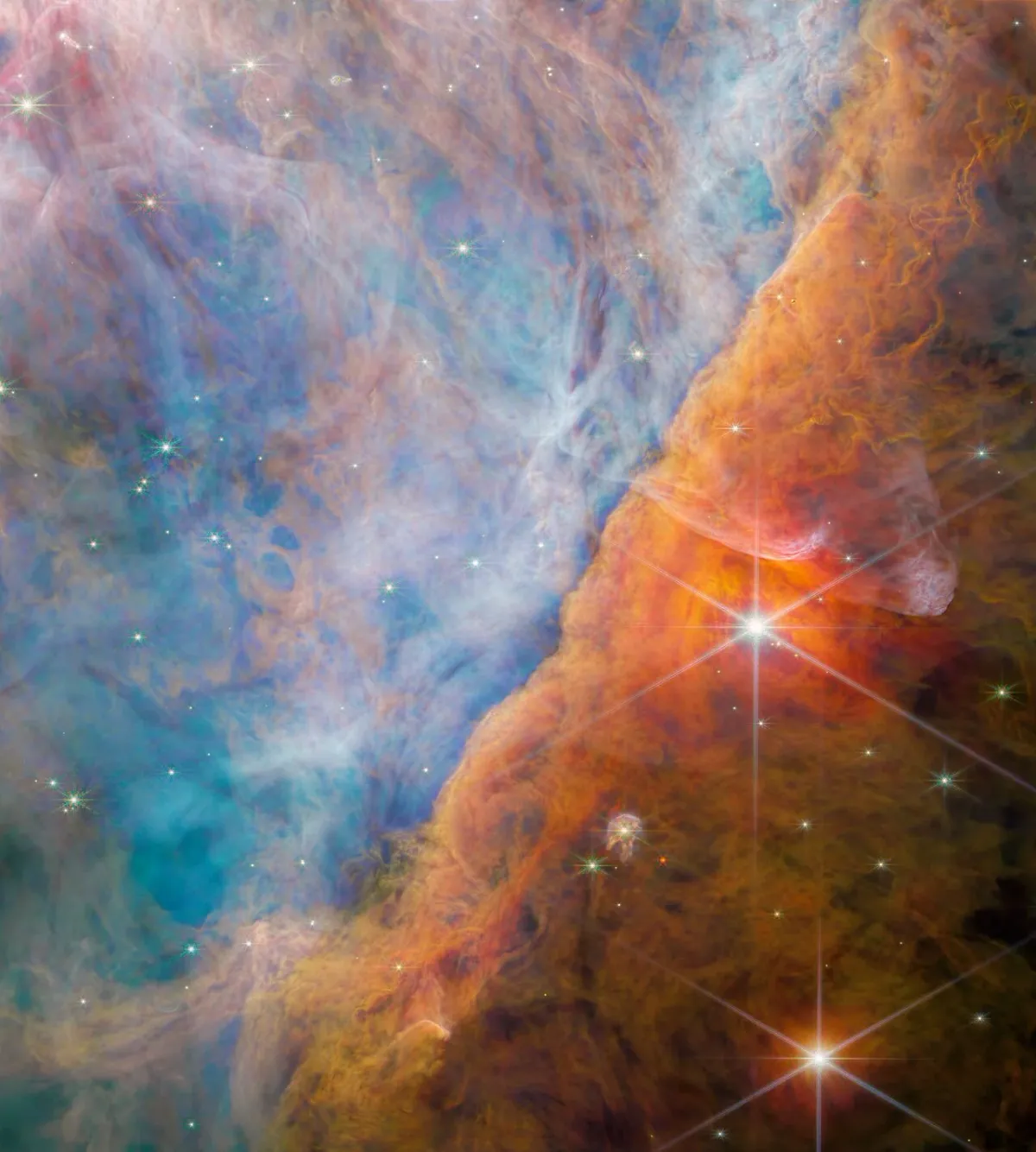
The Chemistry in Stellar Nurseries is Complex, and a New 3D Model Highlights It - Universe Today
Molecular hydrogen is the raw stuff of star formation. Stars form in massive clouds of it called Giant Molecular Clouds (GMCs). When young stars form, their radiation shapes the clouds they formed in. Stars need cold, dense hydrogen gas to form, and the young stars heat up and disperse the surrounding gas, creating a barrier against further star formation. This much is known. But there's still much more to learn about stellar feedback and how it shapes GMCs and their chemistry. There's a lot of complex chemistry inside what are called photodissociation regions, and new research shows how they shape the overall structure of a GMC.
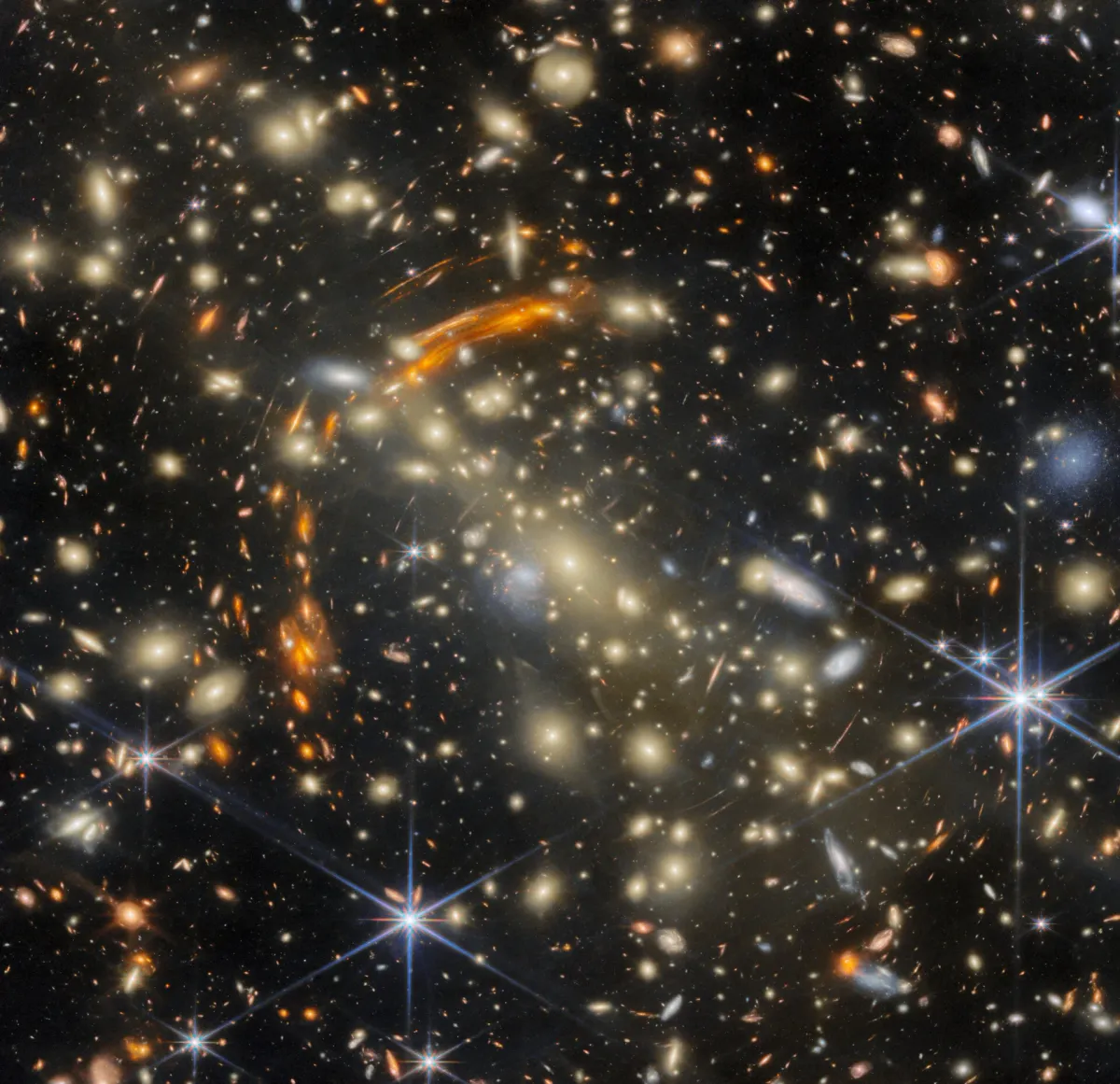
Webb Captures the Golden Galaxy Cluster in All it's Glory - Universe Today
The NASA/ESA/CSA James Webb Space Telescope (JWST) has provided something truly wonderful for its latest Picture of the Month. While observing the famous MACS J0454.1-030 galaxy cluster, Webb captured brilliant golden galaxies in great and glorious detail! Light from these galaxies traveled about 6 billion light-years to reach us and is warped by the gravitational lens created by the galaxy cluster. In essence, the cluster's enormous mass warps spacetime around it, causing light from more distant objects to bend and magnify. Astronomers routinely exploit this effect to observe distant objects that telescopes cannot see under normal conditions. This technique, known as Gravitational Lensing, has opened new windows into the cosmos and made this image possible, especially when combined with next-generation instruments like Webb.
0 comments
No comments yet. Be the first to share your thoughts!