Why painful arthritis can return stronger after cancer treatment - Science Daily
This story deserves to be shared
Send it to someone who'd care, or post it on your networks.
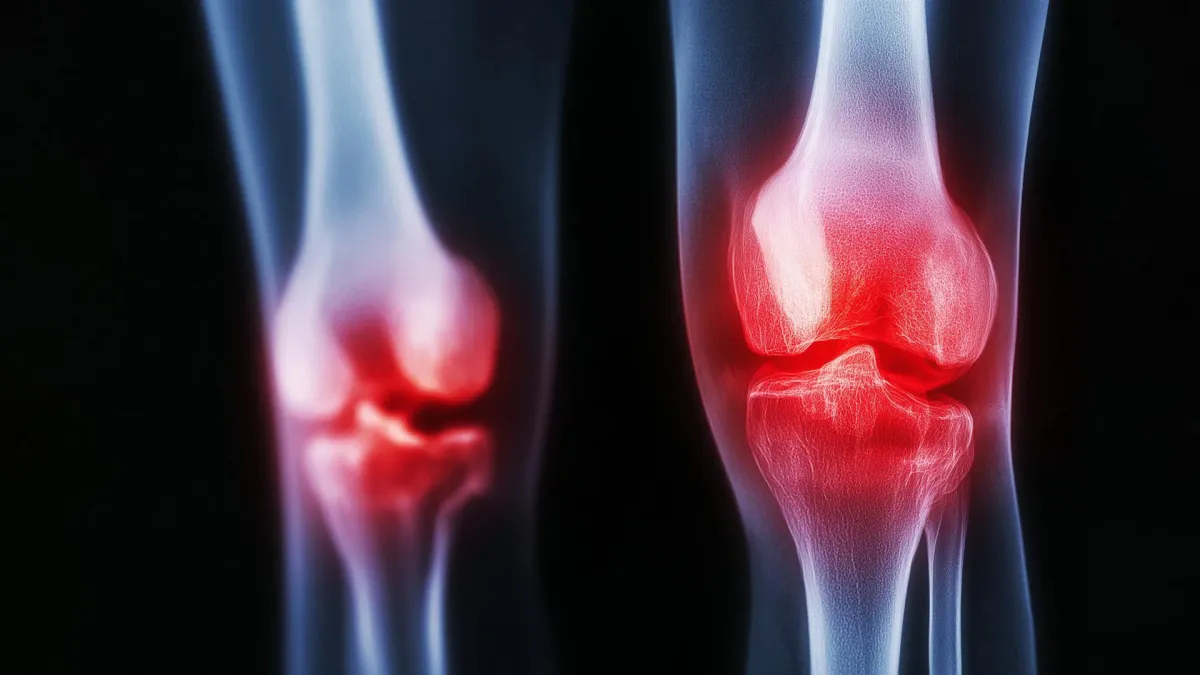
For some cancer patients, the effects of immunotherapy can linger in an unexpected place: their joints. Painful arthritis may return repeatedly, sometimes becoming more severe with each episode. Now, scientists have uncovered a possible explanation involving the immune system's ability to remember previous attacks.
Researchers at The University of Texas MD Anderson Cancer Center have found evidence that arthritis triggered by certain cancer immunotherapies behaves like a disease driven by immune memory. Rather than launching an entirely new inflammatory response during each flare, the immune system appears to reactivate cells involved in earlier episodes.
This article is an excerpt. To read the full content, visit the original source. Science Daily
Related articles
Orionid meteor shower: When to watch in Saskatchewan - GX94 Radio
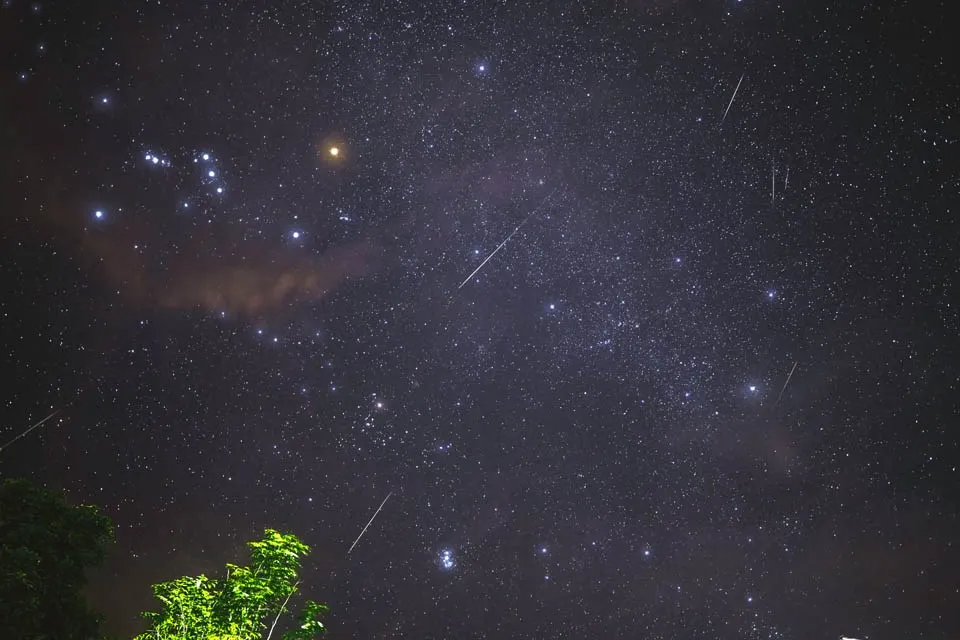
FORT McMURRAY, Alta. — There is just one week to go until the peak of the Orionid meteor shower. Skywatchers could see some of the fastest meteors of the year streaking across the predawn sky. The Orionids peak overnight Oct. 21 and 22 and can produce up to 20 meteors per hour under dark, favourable conditions. The shower is active from Oct. 2 through Nov. 7. The meteors are comprised of debris left behind by Halley’s Comet, which last passed by in 1986. As Earth passes through the comet’s debris stream each October, the particles strike the atmosphere at about 68 kilometres per second. Richard Covey, amateur astronomer, published astrophotographer and member of the Royal Astronomical Society of Canada, says the Orionids are especially appealing because of their speed and their connection to one of astronomy’s best-known comets. “You’re literally watching tiny pieces of Halley’s Comet burn up in the atmosphere. They’re moving incredibly fast, so the Orionids can produce some very sharp, impressive streaks across the sky.”Moonlight will make this year’s peak more challenging. The Moon will be bright around Oct. 21 and 22, washing out many of the fainter meteors for much of the night
Nanoscale tech tracks proteins inside living neurons to guide Alzheimer's and Parkinson's drug discovery - Phys.org
A technology developed at The University of Queensland allowing scientists to observe how disease-related proteins behave inside living neurons will be used to advance early drug discovery for neurodegenerative diseases. The NASTIC (Nanoscale Spatiotemporal Indexing Clustering) platform, spun out into Brisbane-based startup Accretion Bio, enables researchers to study real-time biological processes in living cells across space and time at the single-molecule level for the first time.
Single Vertebra Hints at Oldest Known Iberian Dinosaur - Sci.News
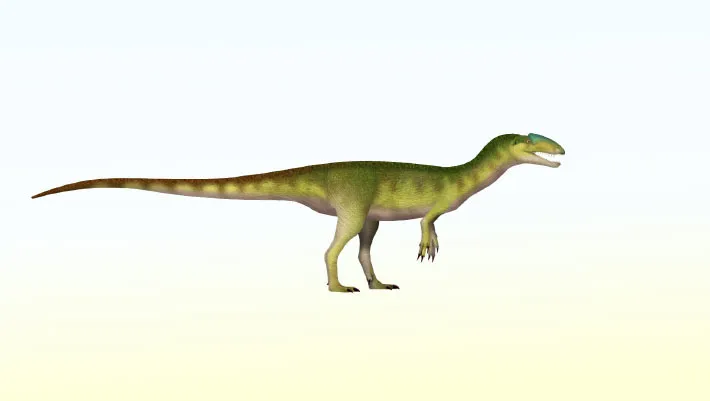
A fossil theropod vertebra about the length of a thumb, found in the Algarve region in southern Portugal, may be the oldest dinosaur remains ever discovered on the Iberian Peninsula. An artist’s impression of Sarcosaurus. Image credit: TotalDino / CC BY 4.0.
Eagle snatches owl and carries it into forest – then something wild happens - BBC Wildlife Magazine
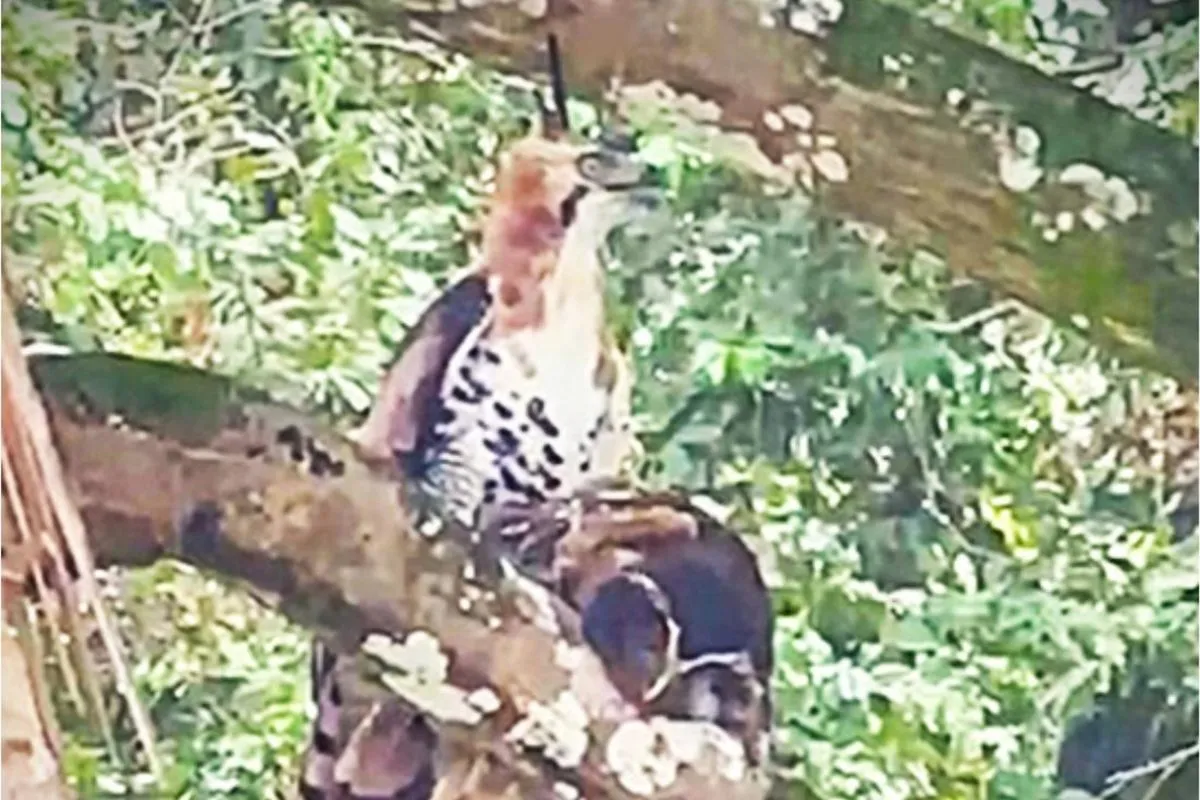
During a field excursion in the lowland forests of Costa Rica’s Corcovado National Park, researchers observed a novel predation event: an ornate hawk-eagle catching and killing a crested owl. The predation of a crested owl (Lophostrix cristata) by an ornate hawk-eagle (Spizaetus ornatus) has, to the knowledge of the scientists, never been documented before this record.
Old Blood Cells Have Been Transformed Into Brain Stem Cells That Get Younger As They Age - ScienceAlert
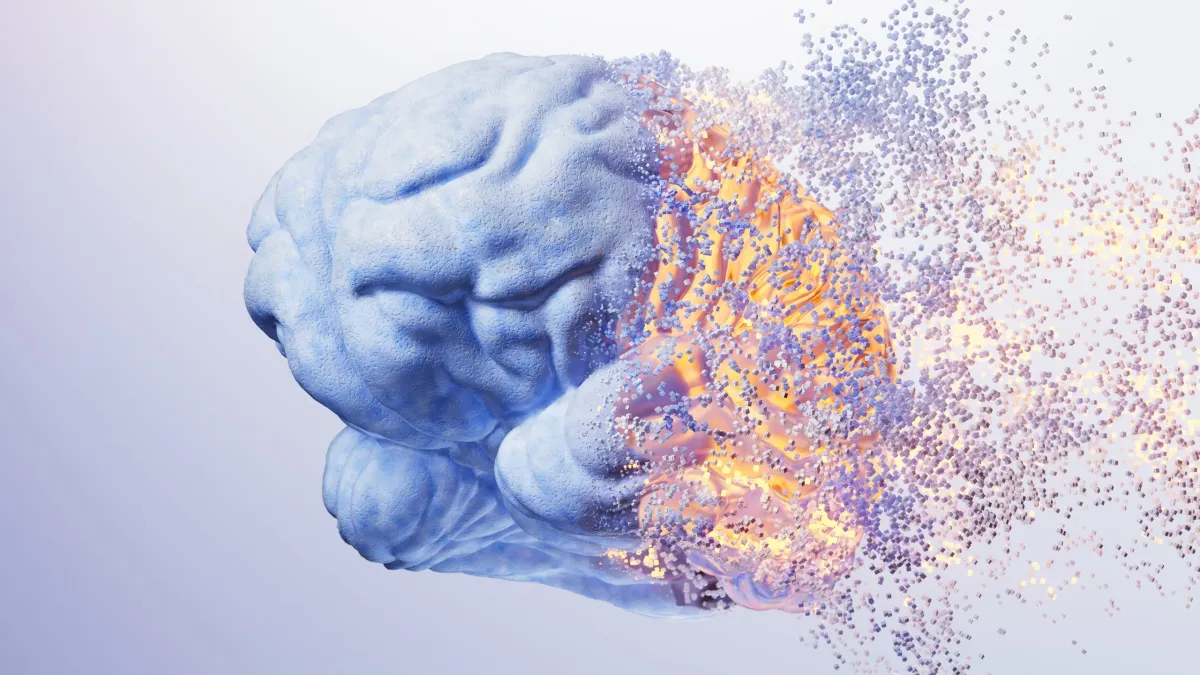
Aging is the price paid for the ability of experiencing existence, one might philosophize. Natural cellular aging begins with differentiation. Once a stem cell becomes a specific cell type, it's locked in forever: fat cells can never become muscle cells, no matter how hard one wishes, or pokes and prods at them in front of the mirror. Or so it goes in nature, but scientists can definitely transform cells, as if biologically compensating for all the failed alchemical attempts of the past. Now, scientists have transformed old blood cells into young brain stem cells, which continued to grow younger as they grew older. The researchers, from the University Hospital of Bonn and the University of Bonn, in Germany, described their methods in the journal Aging Cell. Cellular transformations can be done in two main ways. The first, more circuitous route turns a specific cell back into a pluripotent stem cell, or an embryonic "blank slate," and then into a different cell type. The second method involves a "direct conversion," which skips the middle stage and directly transforms a cell into a different type.
0 comments
No comments yet. Be the first to share your thoughts!