Nanoscale tech tracks proteins inside living neurons to guide Alzheimer's and Parkinson's drug discovery - Phys.org
This story deserves to be shared
Send it to someone who'd care, or post it on your networks.
A technology developed at The University of Queensland allowing scientists to observe how disease-related proteins behave inside living neurons will be used to advance early drug discovery for neurodegenerative diseases. The NASTIC (Nanoscale Spatiotemporal Indexing Clustering) platform, spun out into Brisbane-based startup Accretion Bio, enables researchers to study real-time biological processes in living cells across space and time at the single-molecule level for the first time.
This article is an excerpt. To read the full content, visit the original source. Phys.org
Related articles
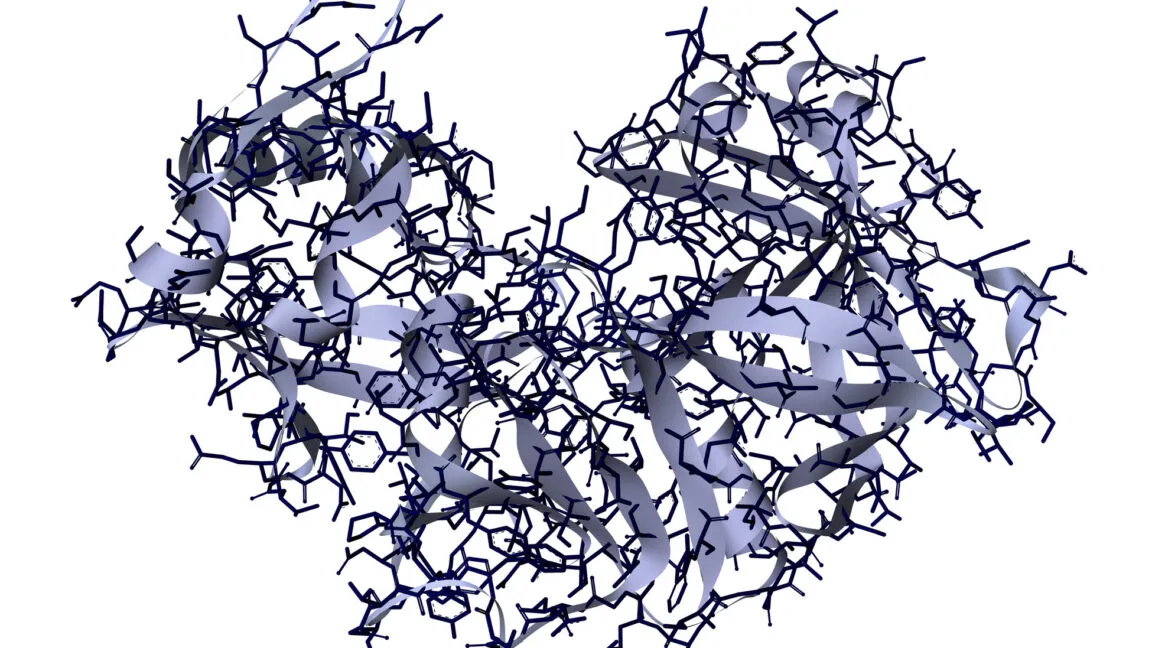
Researchers use AI to design proteins that cut up other proteins - Ars Technica
AI design tools make proteins that break bonds that are stable for hundreds of years. A protein is a chain of amino acids held together by what are called peptide bonds. On their own, those bonds are extremely stable; they’re estimated to have a half-life of several hundred years. But in Earth’s environment, most proteins don’t last nearly that long. That’s because organisms have evolved a handful of ways to catalyze the break-up of peptide bonds, which have diversified into countless specialized protein-digesting enzymes. Proteases are everywhere and generally make short work of any proteins that find their way into the environment.
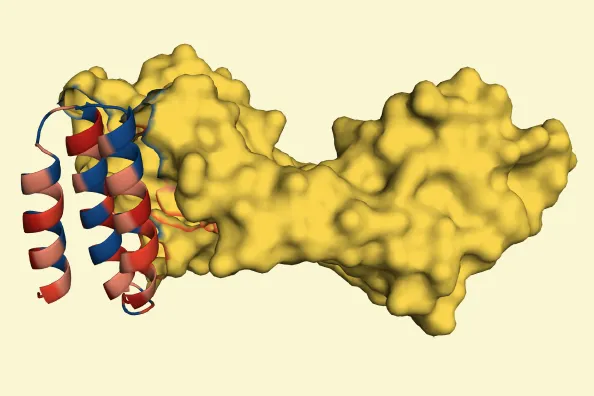
Tagging AI-generated proteins during design process will let scientists know who made them - Chemistry World
Google DeepMind researchers who developed the method say that this will help uphold scientific integrity and prevent misuse of protein designs Google DeepMind has developed a way to watermark proteins designed by artificial intelligence (AI) during the design process itself, which could help scientists better track the origin of these structures.
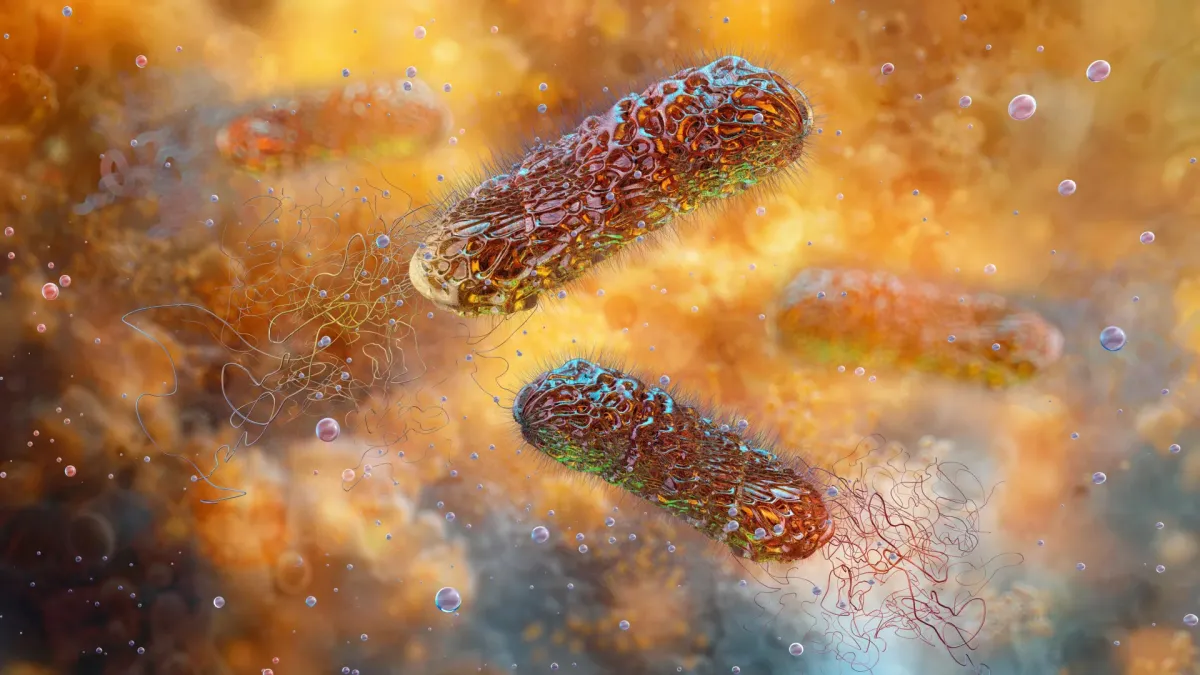
160-million-year-old proteins show surprising power against superbugs - Science Daily
University of Oregon biologists have brought prehistoric proteins back to life, reconstructing molecules that date back as far as 160 million years and naturally attack microbes. The revived proteins could provide scientists with new ideas for treating antibiotic resistant infections, which have become a major global health challenge. The work, described in a paper published in PLOS Biology on Aug. 25, traced the evolutionary history of peptides, short fragments of proteins, back to the earliest placental mammals. This broad group includes humans and nearly all mammals living today. Laboratory experiments showed that some reconstructed peptides from extinct ancestors were more effective against drug resistant bacteria than some versions found in modern species.
This deep-sea enzyme survives heat that destroys most proteins - Science Daily
Microorganisms are capable of some extraordinary chemistry. One example is nitrogen fixation, a process that converts nitrogen gas (N2) into a form living organisms can actually use. Nitrogen makes up about 78 percent of Earth's atmosphere, but plants and animals cannot use it directly because the two nitrogen atoms in N2 are joined by an exceptionally strong chemical triple bond. Certain microorganisms have evolved a way around this problem. They can break that bond and transform N2 into ammonia, which can then be incorporated into biological molecules. One of these organisms is the deep-sea archaeon Methanocaldococcus infernus, which lives in volcanic marine environments where vent fluids can reach temperatures above the boiling point of water.
0 comments
No comments yet. Be the first to share your thoughts!