Favorable Outcome in Recalcitrant Klebsiella pneumoniae Endogenous Endophthalmitis: A Case Report - Cureus
This story deserves to be shared
Send it to someone who'd care, or post it on your networks.
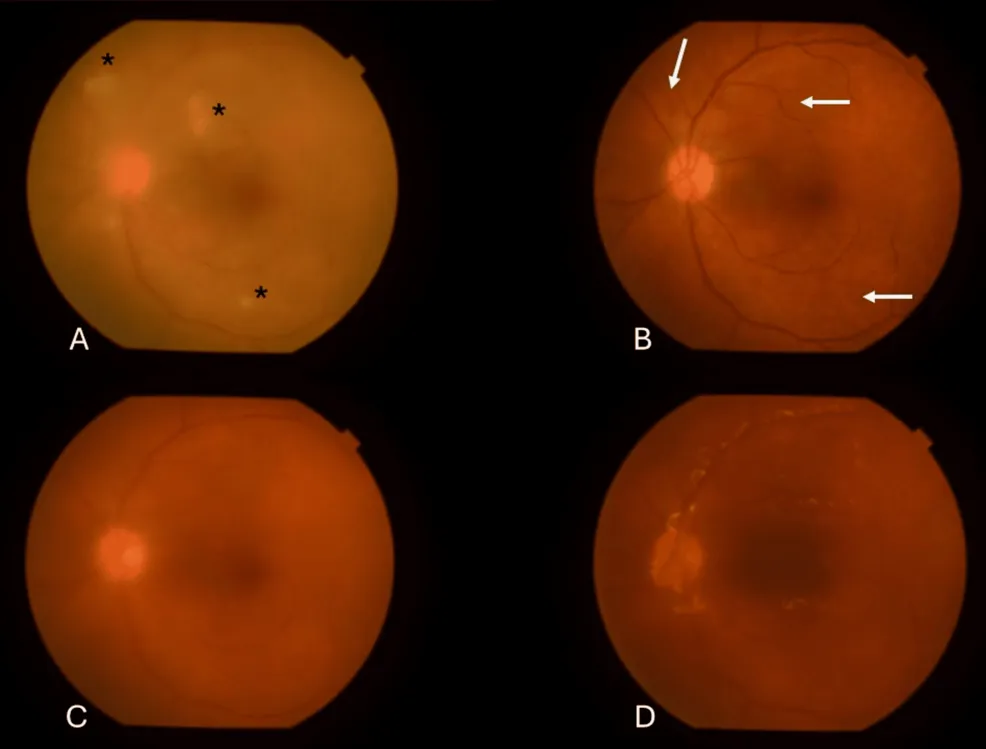
Endogenous endophthalmitis is an aggressive intraocular infection with a characteristically poor visual prognosis. We present a 55-year-old Malay woman with suboptimally controlled diabetes mellitus who developed sepsis from a liver abscess. Following the isolation of Klebsiella pneumoniae from the abscess drainage, which demonstrated susceptibility to gentamicin and trimethoprim-sulfamethoxazole, she was commenced on targeted systemic antimicrobial therapy. During her admission, she reported a sudden visual decline in her left eye, with visual acuity decreasing to 6/21. Clinical examination of the left eye revealed anterior chamber inflammation with a hypopyon, alongside pronounced vitritis and retinitis, while the right eye remained entirely unaffected. Recognizing this as Klebsiella pneumoniae endogenous endophthalmitis, we immediately performed a vitreous tap and injected intravitreal vancomycin and ceftazidime, proceeding to a trans pars plana vitrectomy (TPPV) with repeat intravitreal antibiotics the following day. Although her vitreous fluid cultures returned negative, the infection resolved on a postoperative regimen of topical 0.5% moxifloxacin, systemic ciprofloxacin, and
This article is an excerpt. To read the full content, visit the original source. Cureus
Related articles
Acute Psychosis and Suicide Attempt As Manifestations of Severe Endogenous Hypercortisolism: A Case Report of Adrenocorticotropic Hormone (ACTH)-Independent Cushing Syndrome - Cureus
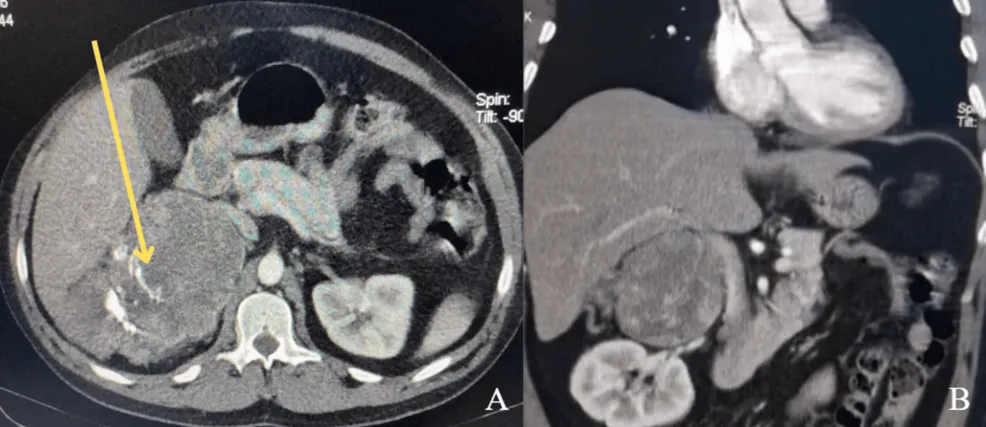
Cushing syndrome is an endocrine disorder caused by chronic exposure to excess cortisol. Although neuropsychiatric manifestations are common, progression to acute psychosis with a suicide attempt is exceptionally rare. We present the case of a patient with adrenocorticotropic hormone (ACTH)-independent Cushing syndrome secondary to a cortisol-secreting adrenocortical carcinoma, whose predominant neuropsychiatric manifestation was an acute psychotic episode with a suicide attempt. The patient had a five-month history of Cushingoid signs and symptoms, followed by one week of emotional lability that rapidly progressed to an acute psychotic episode with a suicide attempt prior to surgical resection, requiring hospitalization and psychiatric evaluation. Open adrenalectomy was performed, and histopathological examination confirmed a cortisol-secreting adrenocortical carcinoma. Subsequently, the patient experienced rapid resolution of psychiatric symptoms and a favorable clinical course following tumor resection. This case highlights the importance of considering hypercortisolism as a potentially reversible cause of acute psychosis and suicidal behavior. It also underscores the need to in
Acute Psychosis and Suicide Attempt As Manifestations of Severe Endogenous Hypercortisolism: A Case Report of Adrenocorticotropic Hormone (ACTH)-Independent Cushing Syndrome - Cureus
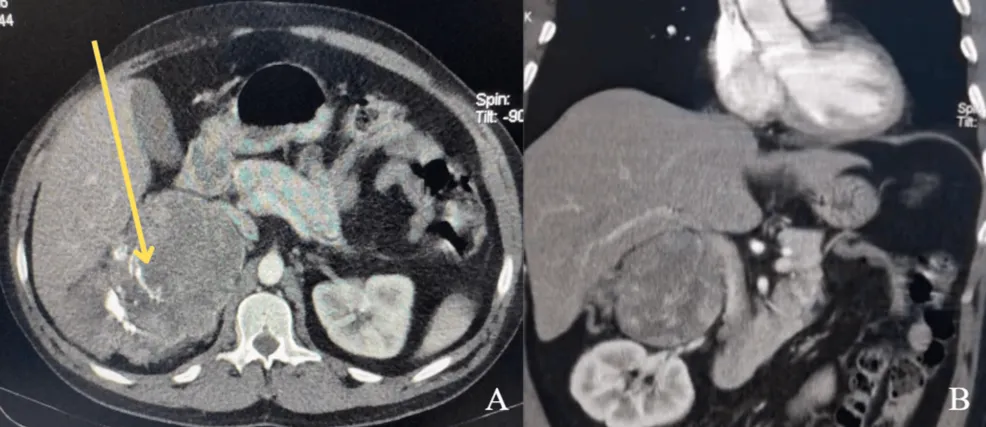
Cushing syndrome is an endocrine disorder caused by chronic exposure to excess cortisol. Although neuropsychiatric manifestations are common, progression to acute psychosis with a suicide attempt is exceptionally rare. We present the case of a patient with adrenocorticotropic hormone (ACTH)-independent Cushing syndrome secondary to a cortisol-secreting adrenocortical carcinoma, whose predominant neuropsychiatric manifestation was an acute psychotic episode with a suicide attempt. The patient had a five-month history of Cushingoid signs and symptoms, followed by one week of emotional lability that rapidly progressed to an acute psychotic episode with a suicide attempt prior to surgical resection, requiring hospitalization and psychiatric evaluation. Open adrenalectomy was performed, and histopathological examination confirmed a cortisol-secreting adrenocortical carcinoma. Subsequently, the patient experienced rapid resolution of psychiatric symptoms and a favorable clinical course following tumor resection. This case highlights the importance of considering hypercortisolism as a potentially reversible cause of acute psychosis and suicidal behavior. It also underscores the need to in
WIPO China: Turning IP from a Legal Concept into a Health Outcome - World Intellectual Property Organization (WIPO)
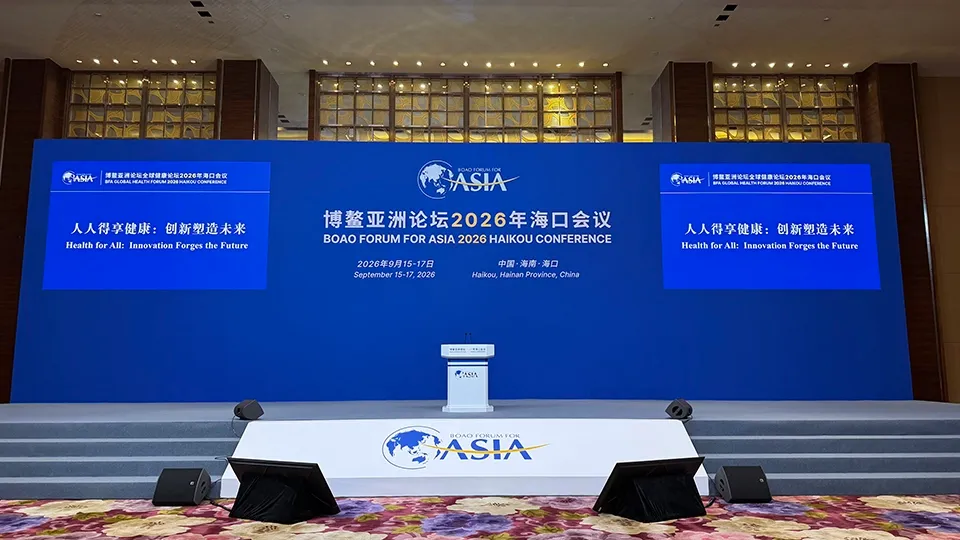
On September 16, the Plenary of the Boao Forum for Asia Global Health Forum 2026 Haikou Conference was held in Haikou, Hainan Province. Liang Zhenying, Vice Chairman of the 14th National Committee of the Chinese People's Political Consultative Conference, attended and addressed the Plenary. Other speakers included Shen Hongbing, Vice Health Minister of the National Health Commission and Administrator of the National Disease Control and Prevention Administration; Sardar Md. Sakhawat Husain, Minister for Health and Family Welfare, The People's Republic of Bangladesh; Bounserth Keoprasith, Vice Minister of Health, The Lao People’s Democratic Republic; Yang Sheng, Deputy Director General, National Medical Products Administration; Mohamed Ahmed Abdelhakim Melegy, Head of Central Administration for Therapeutic Affairs, Ministry of Health and Population, The Arab Republic of Egypt; Hans Kluge, WHO Regional Director for Europe; Xie Jing, Vice Governor of Hainan Province. Shen Hongbing and Richard Remington, Senior Vice President of Elsevier Cell Press, delivered keynote speeches. Zhang Jun, Secretary General of Boao Forum for Asia, moderated the Opening Remarks session.

Fruit and sugary drinks stood out in a three-year study of teenage mental health - News-Medical
Could the foods teenagers eat and the drinks they choose offer clues to their mental health? Researchers followed thousands of Australian students over three years to investigate the connection. Study: Longitudinal associations between dietary intake and common mental disorders among adolescents in Australia. Image Credit: Pixel-Shot / Shutterstock
I have a condition people are too embarrassed to talk about - BBC
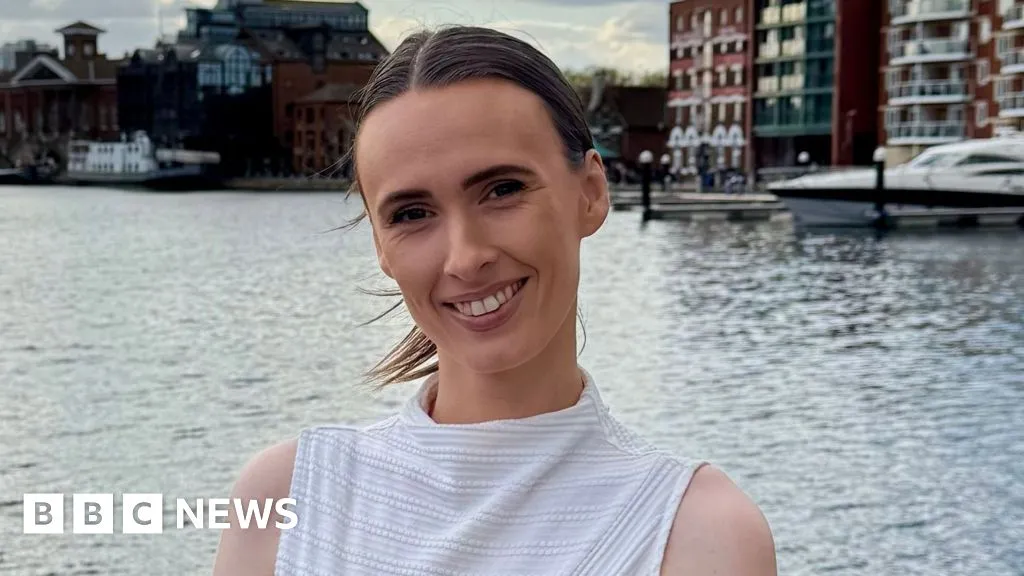
48 minutes agoEmily HoltMonica ThomasMonica is the founder of charity Women's Health Hope This report contains detailed descriptions of medical symptoms. Monica Thomas was in her teens when she started experiencing intimate itching and soreness, but despite numerous trips to the doctors it was dismissed as thrush. Her symptoms got worse, with sores and blisters leaving her in constant pain. "I was bed bound for quite a long time because I couldn't walk," she says. Monica says she was examined 28 times in six months before being offered a biopsy. She says "we don't really talk about" gynaecological health as a society so there is a taboo around speaking about symptoms. "Even when we go to the doctors, for me, the embarrassment of having to get undressed...with these doctors looking it is embarrassing," she says. "But equally when you're in pain or it's itching and you've got discomfort, living with it is just as bad. "The 34-year-old from Suffolk was eventually diagnosed with a condition called lichen sclerosus.
0 comments
No comments yet. Be the first to share your thoughts!