Acute Psychosis and Suicide Attempt As Manifestations of Severe Endogenous Hypercortisolism: A Case Report of Adrenocorticotropic Hormone (ACTH)-Independent Cushing Syndrome - Cureus
This story deserves to be shared
Send it to someone who'd care, or post it on your networks.
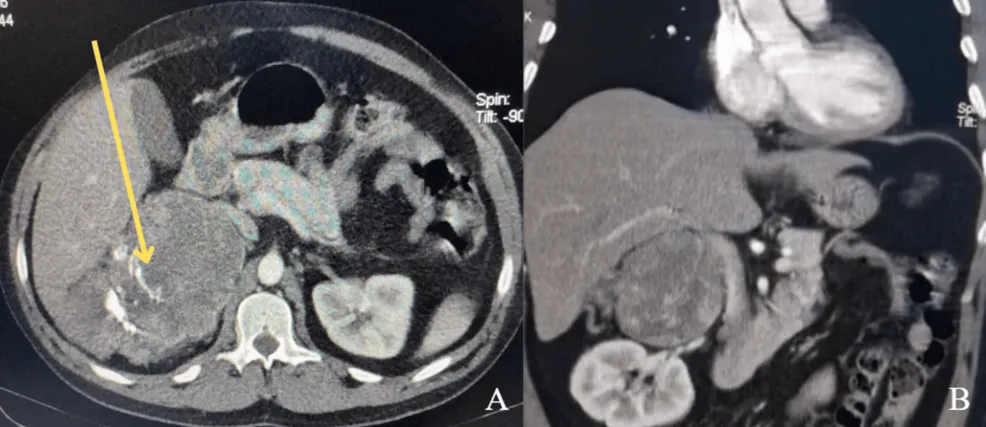
Cushing syndrome is an endocrine disorder caused by chronic exposure to excess cortisol. Although neuropsychiatric manifestations are common, progression to acute psychosis with a suicide attempt is exceptionally rare. We present the case of a patient with adrenocorticotropic hormone (ACTH)-independent Cushing syndrome secondary to a cortisol-secreting adrenocortical carcinoma, whose predominant neuropsychiatric manifestation was an acute psychotic episode with a suicide attempt. The patient had a five-month history of Cushingoid signs and symptoms, followed by one week of emotional lability that rapidly progressed to an acute psychotic episode with a suicide attempt prior to surgical resection, requiring hospitalization and psychiatric evaluation. Open adrenalectomy was performed, and histopathological examination confirmed a cortisol-secreting adrenocortical carcinoma. Subsequently, the patient experienced rapid resolution of psychiatric symptoms and a favorable clinical course following tumor resection. This case highlights the importance of considering hypercortisolism as a potentially reversible cause of acute psychosis and suicidal behavior. It also underscores the need to in
This article is an excerpt. To read the full content, visit the original source. Cureus
Related articles
Acute Psychosis and Suicide Attempt As Manifestations of Severe Endogenous Hypercortisolism: A Case Report of Adrenocorticotropic Hormone (ACTH)-Independent Cushing Syndrome - Cureus
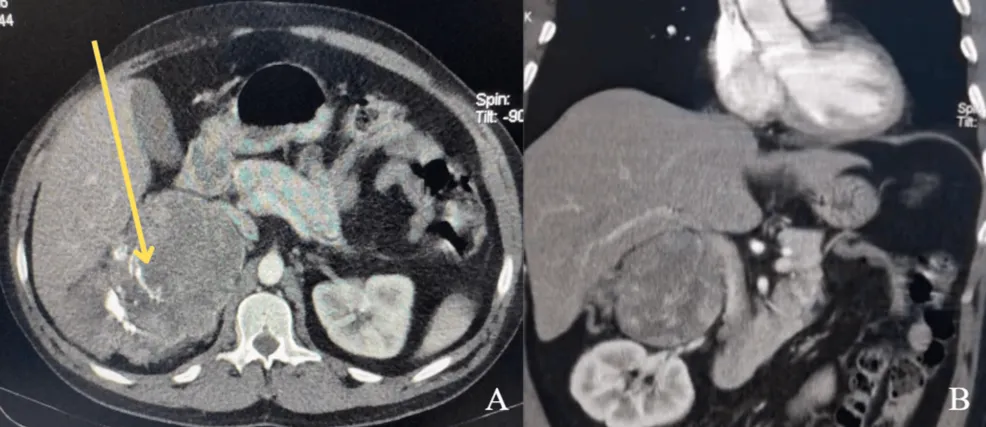
Cushing syndrome is an endocrine disorder caused by chronic exposure to excess cortisol. Although neuropsychiatric manifestations are common, progression to acute psychosis with a suicide attempt is exceptionally rare. We present the case of a patient with adrenocorticotropic hormone (ACTH)-independent Cushing syndrome secondary to a cortisol-secreting adrenocortical carcinoma, whose predominant neuropsychiatric manifestation was an acute psychotic episode with a suicide attempt. The patient had a five-month history of Cushingoid signs and symptoms, followed by one week of emotional lability that rapidly progressed to an acute psychotic episode with a suicide attempt prior to surgical resection, requiring hospitalization and psychiatric evaluation. Open adrenalectomy was performed, and histopathological examination confirmed a cortisol-secreting adrenocortical carcinoma. Subsequently, the patient experienced rapid resolution of psychiatric symptoms and a favorable clinical course following tumor resection. This case highlights the importance of considering hypercortisolism as a potentially reversible cause of acute psychosis and suicidal behavior. It also underscores the need to in
Gut Microbiome and Aging: How Gut Bacteria Influence Health and Longevity - News-Medical
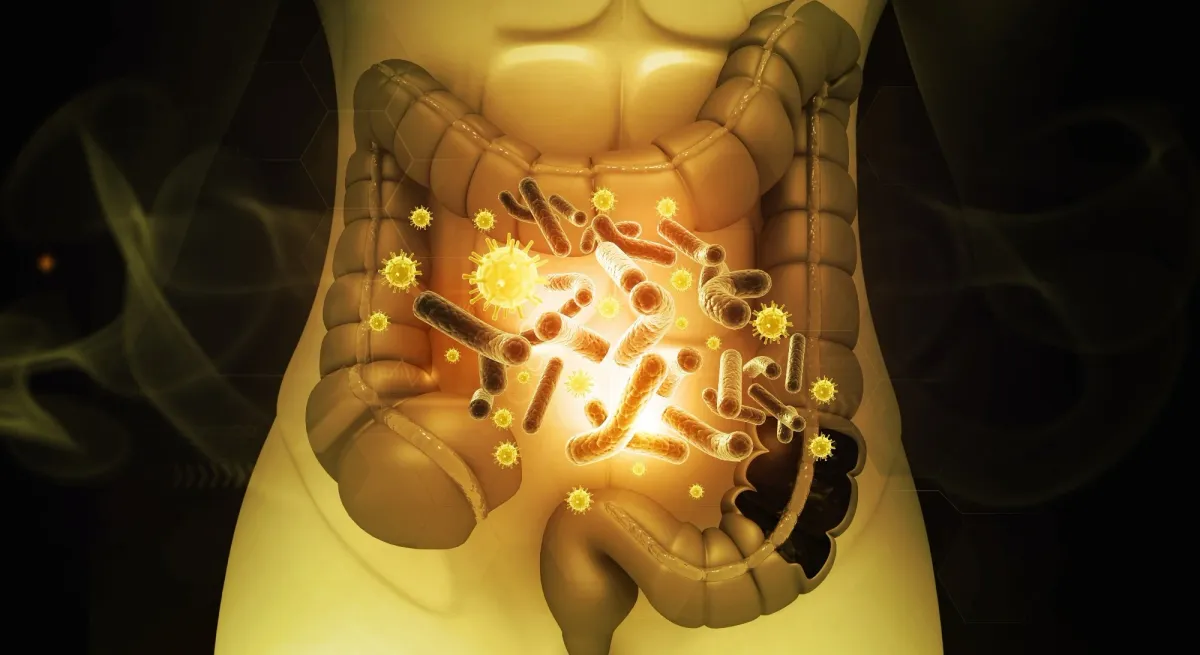
IntroductionHow does the gut microbiome change as we age? The link between gut microbiome changes and inflammationGut microbiome and age-related health conditionsCan the gut microbiome be targeted to promote longevity? From microbial shifts in later life to the distinctive gut communities of centenarians, researchers are investigating what the intestinal microbes reveal about how people age.

GLP-1 Drugs and Obstructive Sleep Apnea: How Weight Loss Medications Improve Breathing During Sleep - News-Medical
IntroductionClinical trial evidenceFDA approval and regulatory developmentsCardiometabolic and secondary benefitsFuture directionsReferences What can treatments targeting weight and metabolism offer people with obstructive sleep apnea, and which questions must clinical trials still answer?
0 comments
No comments yet. Be the first to share your thoughts!