I have a condition people are too embarrassed to talk about - BBC
This story deserves to be shared
Send it to someone who'd care, or post it on your networks.

48 minutes agoEmily HoltMonica ThomasMonica is the founder of charity Women's Health Hope This report contains detailed descriptions of medical symptoms. Monica Thomas was in her teens when she started experiencing intimate itching and soreness, but despite numerous trips to the doctors it was dismissed as thrush. Her symptoms got worse, with sores and blisters leaving her in constant pain. "I was bed bound for quite a long time because I couldn't walk," she says. Monica says she was examined 28 times in six months before being offered a biopsy. She says "we don't really talk about" gynaecological health as a society so there is a taboo around speaking about symptoms. "Even when we go to the doctors, for me, the embarrassment of having to get undressed...with these doctors looking it is embarrassing," she says. "But equally when you're in pain or it's itching and you've got discomfort, living with it is just as bad. "The 34-year-old from Suffolk was eventually diagnosed with a condition called lichen sclerosus.
This article is an excerpt. To read the full content, visit the original source. BBC
Related articles

Could eating whey protein before meals help reduce blood sugar spikes? - News-Medical
From full-fat milk to probiotic yogurt and whey protein, researchers examine whether what we consume, how it is prepared, and when we eat it could influence blood sugar regulation. The Role of Milk and Dairy Products in Type 2 Diabetes and Prediabetes: A Narrative Review of Randomized Trials. Image Credit: Madeleine Steinbach / Shutterstock

Fruit and sugary drinks stood out in a three-year study of teenage mental health - News-Medical
Could the foods teenagers eat and the drinks they choose offer clues to their mental health? Researchers followed thousands of Australian students over three years to investigate the connection. Study: Longitudinal associations between dietary intake and common mental disorders among adolescents in Australia. Image Credit: Pixel-Shot / Shutterstock
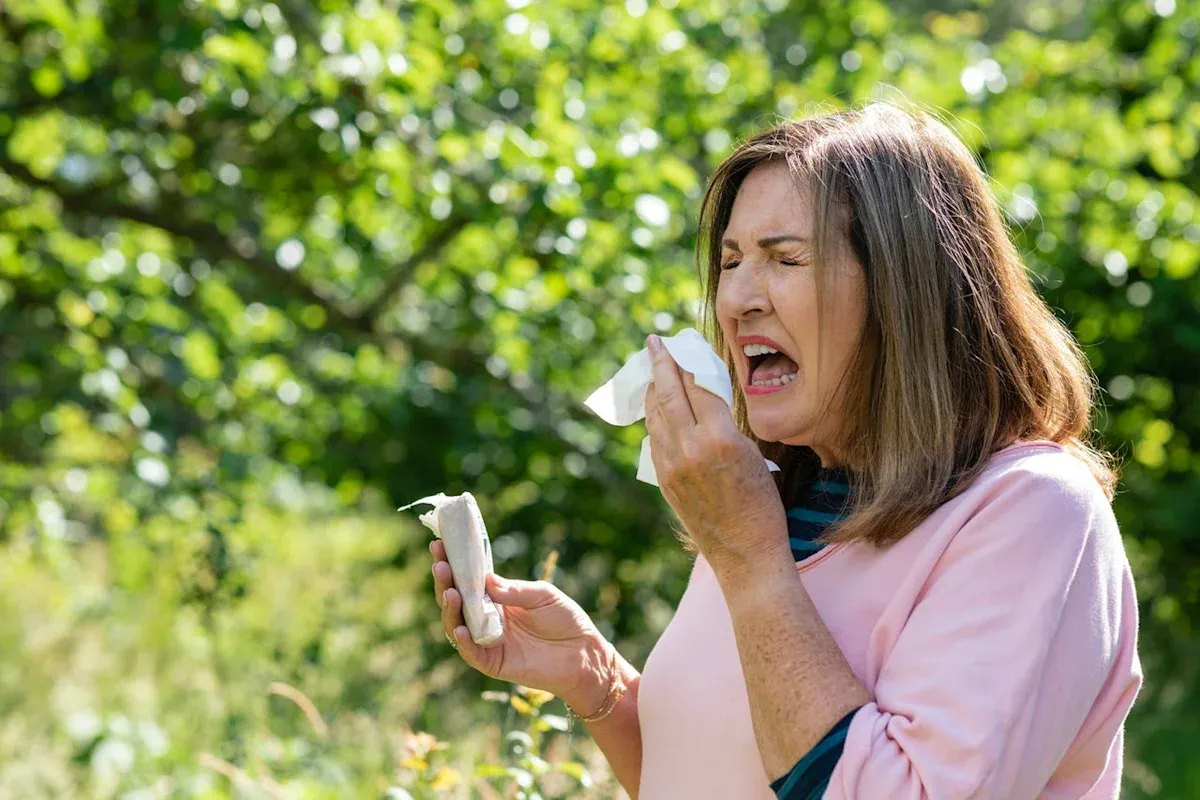
Scientists might finally have an answer on the origins of your seasonal allergies - Yahoo News New Zealand
Some 80 million Americans suffer from seasonal allergies that leave them sneezing and tearing through the fall. Now, researchers have further pulled back the curtain on the origin of our allergies, finding in a new study that repeated exposure to allergens, such as pollens and molds, can make allergies worse. Nerve cells that work to help us feel sensations - a shooting pain or an itch - remember allergens humans come in contact with, Mass General Brigham Health Care System scientists say. It's this memory that allows the cells to respond more strongly to later exposures - even if the allergen is gone. "Now that we know what may cause people to become allergic and pick up more sensitivities, we can design ways to stop it from happening," senior author Dr. Caroline Sokol, a physician-scientist in the Mass General Brigham Department of Medicine, explained in a statement. Millions of Americans suffer from seasonal allergies every year, with allergy seasons growing longer and stronger due to climate change.

Adult-Onset Autoimmune Diabetes in a Physician: Diagnostic Uncertainty and Insulin Acceptance in a Case Consistent With Latent Autoimmune Diabetes in Adults (LADA) - Cureus
Latent autoimmune diabetes in adults (LADA) may resemble type 2 diabetes mellitus (T2DM), creating diagnostic uncertainty and delaying appropriate treatment. This case illustrates the recognition of adult-onset autoimmune diabetes in an older, lean physician and the challenges surrounding the acceptance of insulin therapy. A 63-year-old male physician presented with an eight-week history of polyuria, polydipsia, nocturia, fatigue, reduced exercise tolerance and unintentional weight loss from approximately 62 kg to 53 kg. His body mass index had historically ranged from 19 to 22 kg/m², with no recognised features of metabolic syndrome. His brother reportedly had LADA. Initial investigations demonstrated a random plasma glucose of approximately 30 mmol/L and glycated haemoglobin (HbA1c) of 12.1% (108 mmol/mol). Glutamic acid decarboxylase antibodies were strongly positive (>110 U/mL), whereas islet antigen-2 antibodies were negative. Serum bicarbonate was normal, and renal function was preserved. C-peptide was not measured. Insulin was recommended at diagnosis because of severe symptomatic hyperglycaemia and marked catabolic weight loss. The patient initially declined injectable ther
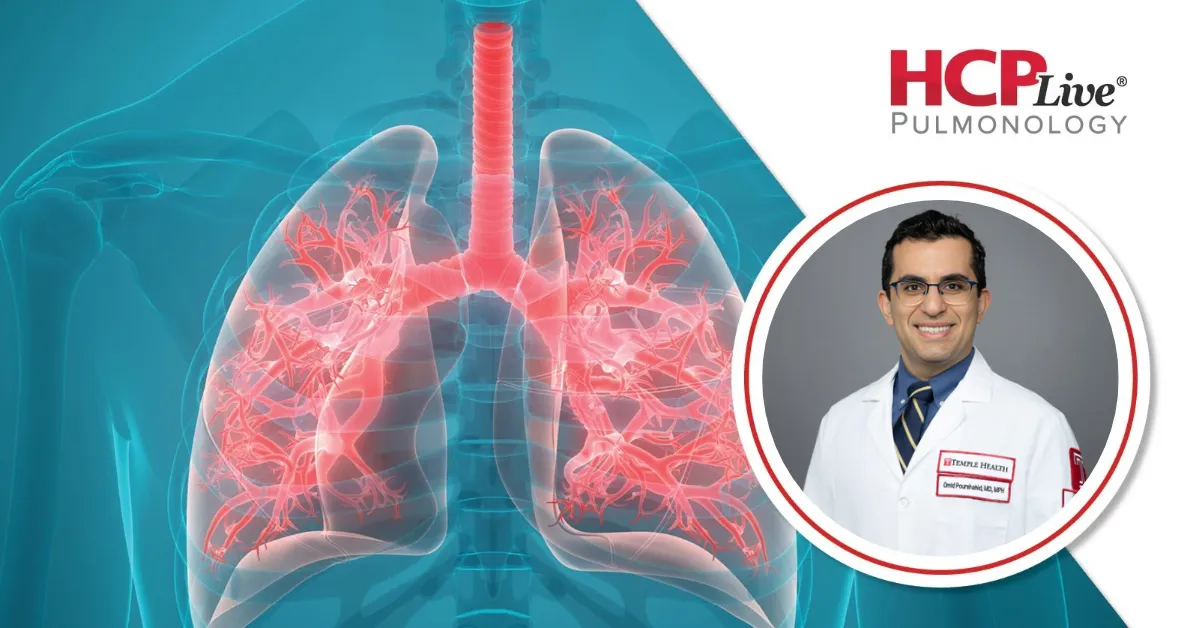
Virtual Pulmonary Rehab and Matched Care, With Omid Pourshahid, MD - HCPLive
News|Videos|October 19, 2026 Omid Pourshahid, MD, MPH, discusses Medicare coverage for virtual pulmonary rehab and a matched-care pathway for center-based, hybrid, or virtual programs. Omid Pourshahid, MD, MPH, FCCP, told HCPLive at the American College of Chest Physicians (CHEST) 2026 Annual Meeting in Phoenix how new Medicare coverage for virtual pulmonary rehabilitation could support a matched-care approach to assigning patients to center-based, hybrid, or virtual programs.¹Pourshahid, director of pulmonary rehabilitation at the Lewis Katz School of Medicine at Temple University, argued the pro side of a CHEST 2026 debate on tailoring pulmonary rehabilitation to each patient.¹ The 2023 American Thoracic Society (ATS) clinical practice guideline strongly recommends offering patients a choice between center-based pulmonary rehabilitation and telerehabilitation.³ Pourshahid noted patient-tailored therapy has been part of the ATS definition of pulmonary rehabilitation since 2013, but the delivery setting was rarely part of it. “Until recently…the support and the financial approval were coming only for center-based pulmonary rehab,” Pourshahid said.
0 comments
No comments yet. Be the first to share your thoughts!