Extreme dynamic symmetry enables omnidirectional and multifunctional robots - Science | AAAS
This story deserves to be shared
Send it to someone who'd care, or post it on your networks.
This article is an excerpt. To read the full content, visit the original source. Science | AAAS
Related articles
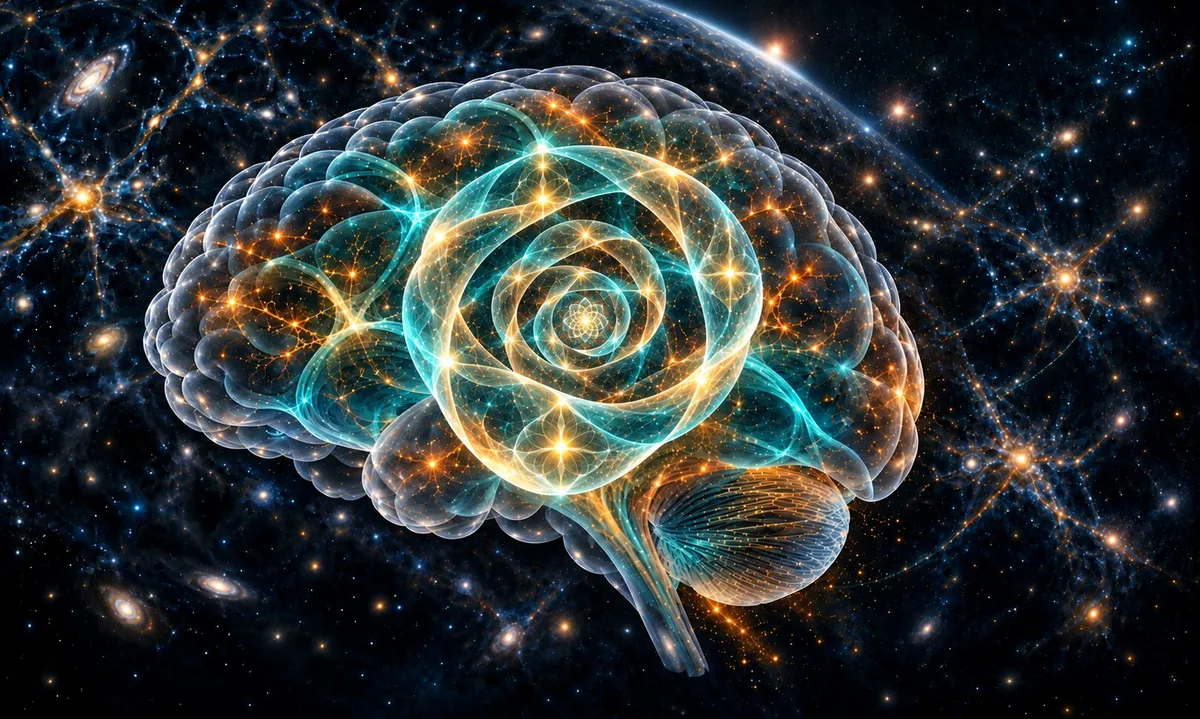
Could meditation reveal an SU(3) symmetry shared by the observer and the universe? - Phys.org
Conceptual illustration linking SU(3)-inspired vacuum geometry with coherent and dissipative brain activity. Credit: Ahmed Farag Ali, Nader Inan, Ruben Laukkonen and Pavlo Mikheenko. AI-generated illustration created with OpenAI's ChatGPT. You bring your attention back to the breath. Sometimes, after many such returns, the effort eases. Thoughts lose their urgency, while awareness remains clear. Less occupies the mind, yet the moment still feels whole. We are interested in what makes that wholeness possible. Even an ordinary moment brings together vision, memory, bodily sensation and attention. Their contents change constantly, but they belong to one experience.
Symmetry-based pulsed DNP and EPR sequences - Science | AAAS
Nanoscale tech tracks proteins inside living neurons to guide Alzheimer's and Parkinson's drug discovery - Phys.org
A technology developed at The University of Queensland allowing scientists to observe how disease-related proteins behave inside living neurons will be used to advance early drug discovery for neurodegenerative diseases. The NASTIC (Nanoscale Spatiotemporal Indexing Clustering) platform, spun out into Brisbane-based startup Accretion Bio, enables researchers to study real-time biological processes in living cells across space and time at the single-molecule level for the first time.
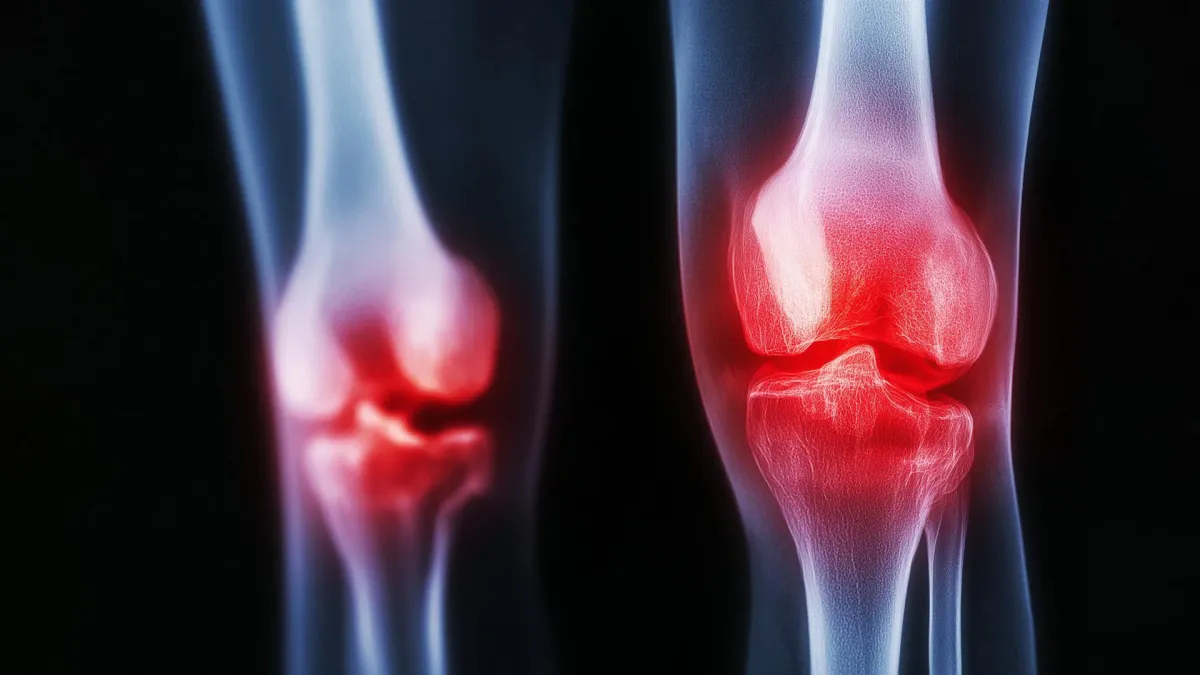
Why painful arthritis can return stronger after cancer treatment - Science Daily
For some cancer patients, the effects of immunotherapy can linger in an unexpected place: their joints. Painful arthritis may return repeatedly, sometimes becoming more severe with each episode. Now, scientists have uncovered a possible explanation involving the immune system's ability to remember previous attacks. Researchers at The University of Texas MD Anderson Cancer Center have found evidence that arthritis triggered by certain cancer immunotherapies behaves like a disease driven by immune memory. Rather than launching an entirely new inflammatory response during each flare, the immune system appears to reactivate cells involved in earlier episodes.
0 comments
No comments yet. Be the first to share your thoughts!