Baby manta rays hunker down close to coasts before facing the open ocean’s dangers - Frontiers
This story deserves to be shared
Send it to someone who'd care, or post it on your networks.
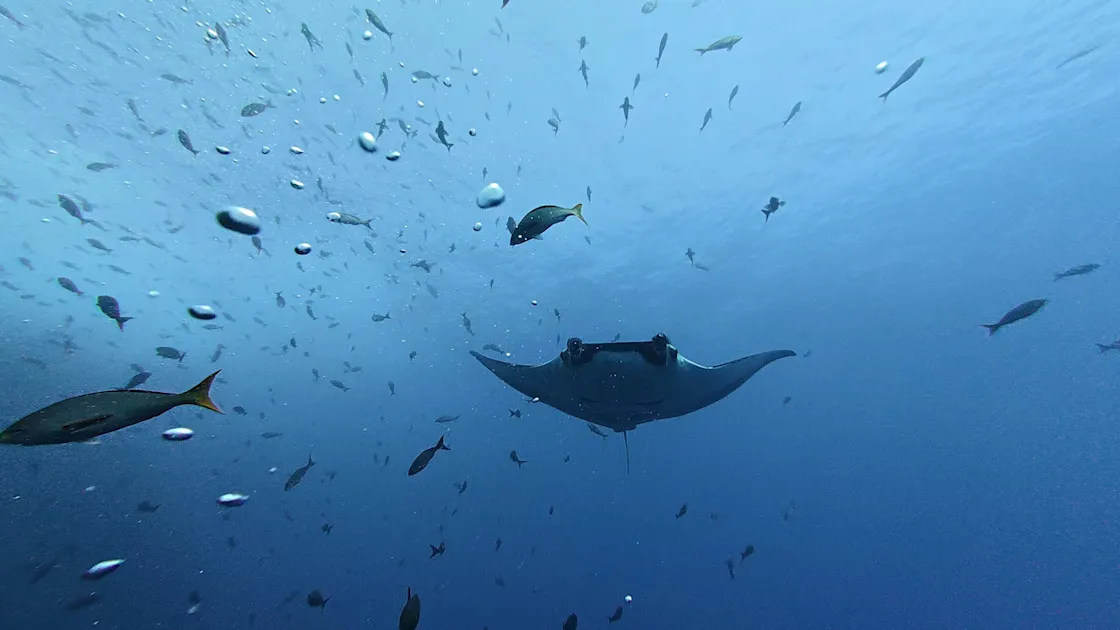
Credit: Jeffry Madrigal. Baby manta rays escape predators by avoiding them until they grow large enough for a face-off, a new study has found. Tracking data shows that young giant manta rays in Central America strictly stick to comparatively safe coastal areas for the first few years of their life. When they’re large enough that natural enemies are a lesser concern, they leave these sanctuaries and embark on journeys spanning hundreds of kilometers. This shift in space use allows mantas to grow in safety before facing another type of danger in the open oceans: industrial fisheries and vessel strikes in unprotected waters. The authors say underwater corridors are needed to protect adult mantas on their treks. Giant manta rays can grow up to nine meters long with a disc size of seven meters across and weigh up to 2,000kg. This size leaves them with very few natural enemies once they reach adulthood at around eight to ten years old. But giant manta ray babies, called pups, cannot rely on their size to protect them from predators that live in the open ocean, including several species of shark and orcas.
This article is an excerpt. To read the full content, visit the original source. Frontiers
Related articles
Baby manta rays hunker down close to coasts before facing the open ocean's dangers - Phys.org
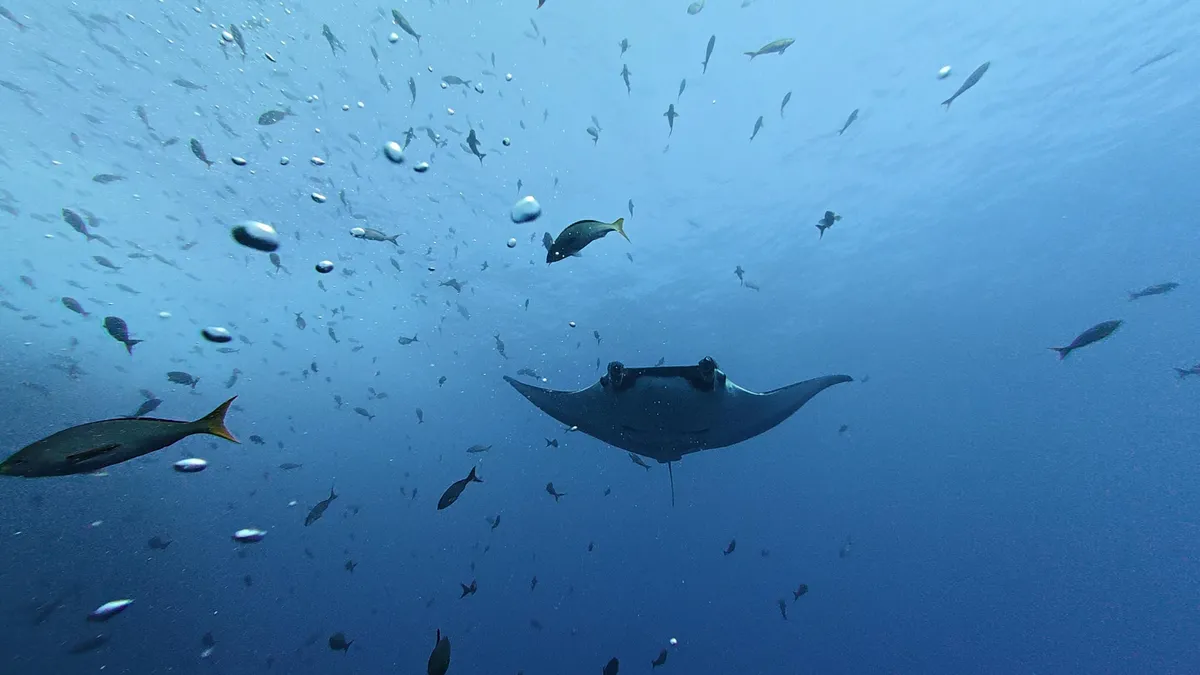
One of the manta rays tracked in the study. Credit: Jeffry Madrigal Giant manta rays can grow up to nine meters (30 feet) long with a disk size of seven meters (23 feet) across and weigh up to 2,000 kg (4,400 pounds). This size leaves them with very few natural enemies once they reach adulthood at around eight to 10 years old. But giant manta ray babies, called pups, cannot rely on their size to protect them from predators that live in the open ocean, including several species of shark and orcas.
Black hole observations uncover evidence of solar storm–like magnetic eruptions - Phys.org
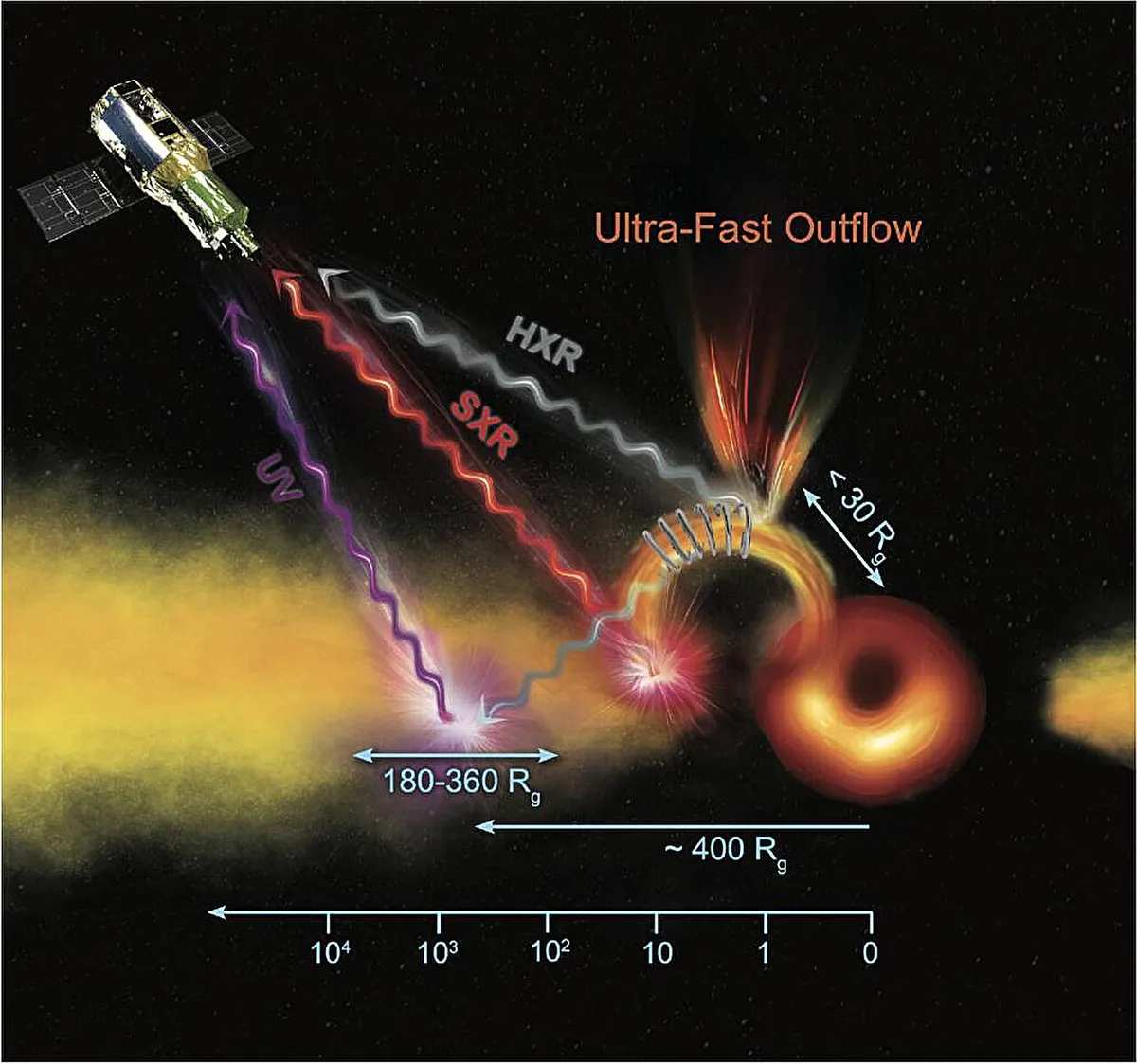
Schematic illustration of the detected magnetic reconnection event and ensuing processes. Credit: The Astrophysical Journal Letters (2026). DOI: 10.3847/2041-8213/ae8f44 Technion researchers have presented evidence for the existence of solar-storm-like outbursts near supermassive black holes, which can be a million times larger than the sun or more. The phenomenon was discovered in the vicinity of the black hole in the galaxy NGC 3783, and the researchers' findings were published in The Astrophysical Journal Letters.
Quantum Leap For Canadian INRS High-temperature Materials Research - Quantum Zeitgeist
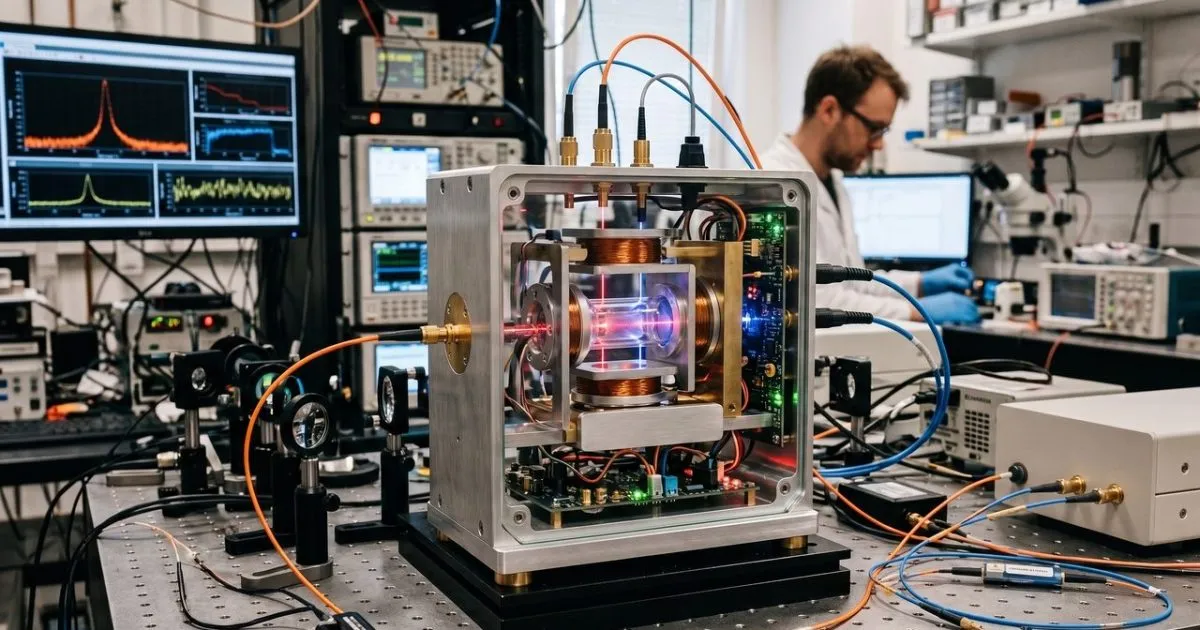
After nearly 40 years since the discovery of cuprates, copper-based compounds promising lossless electricity transmission, the mechanisms behind their superconductivity remain elusive. Researchers at the Institut national de la recherche scientifique (INRS), led by Professor Fabio Boschini, have now published findings in Nature Physics revealing a competition between superconductivity and the pseudogap, a mysterious quantum state. “The pseudogap is one of the greatest mysteries in condensed-matter physics,” says Professor Boschini, a specialist in ultrafast spectroscopy of quantum condensed matter at INRS, adding that understanding its interaction with superconductivity is essential to explaining high-temperature superconductivity. The INRS team used a pulse of light to temporarily suppress superconductivity, observing how the material responded in real time and uncovering previously hidden electronic states.
0 comments
No comments yet. Be the first to share your thoughts!