Scientists and fishers have teamed up to find a way to save manta rays - Science News
This story deserves to be shared
Send it to someone who'd care, or post it on your networks.
This article is an excerpt. To read the full content, visit the original source. Science News
Related articles
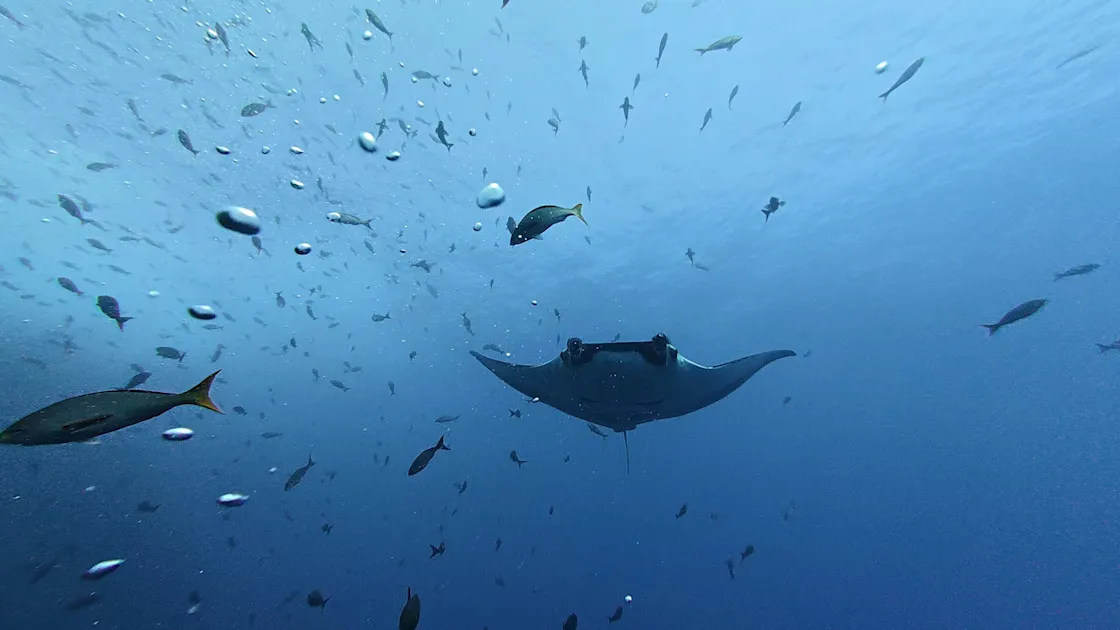
Baby manta rays hunker down close to coasts before facing the open ocean’s dangers - Frontiers
Credit: Jeffry Madrigal. Baby manta rays escape predators by avoiding them until they grow large enough for a face-off, a new study has found. Tracking data shows that young giant manta rays in Central America strictly stick to comparatively safe coastal areas for the first few years of their life. When they’re large enough that natural enemies are a lesser concern, they leave these sanctuaries and embark on journeys spanning hundreds of kilometers. This shift in space use allows mantas to grow in safety before facing another type of danger in the open oceans: industrial fisheries and vessel strikes in unprotected waters. The authors say underwater corridors are needed to protect adult mantas on their treks. Giant manta rays can grow up to nine meters long with a disc size of seven meters across and weigh up to 2,000kg. This size leaves them with very few natural enemies once they reach adulthood at around eight to ten years old. But giant manta ray babies, called pups, cannot rely on their size to protect them from predators that live in the open ocean, including several species of shark and orcas.
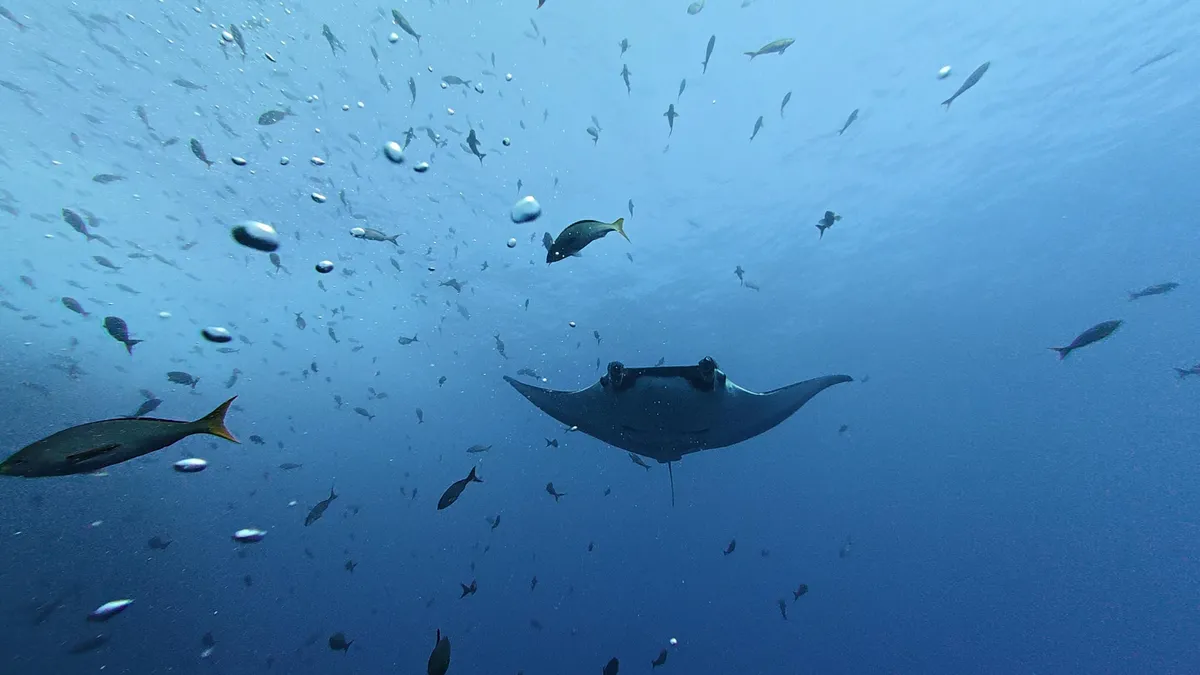
Baby manta rays hunker down close to coasts before facing the open ocean's dangers - Phys.org
One of the manta rays tracked in the study. Credit: Jeffry Madrigal Giant manta rays can grow up to nine meters (30 feet) long with a disk size of seven meters (23 feet) across and weigh up to 2,000 kg (4,400 pounds). This size leaves them with very few natural enemies once they reach adulthood at around eight to 10 years old. But giant manta ray babies, called pups, cannot rely on their size to protect them from predators that live in the open ocean, including several species of shark and orcas.
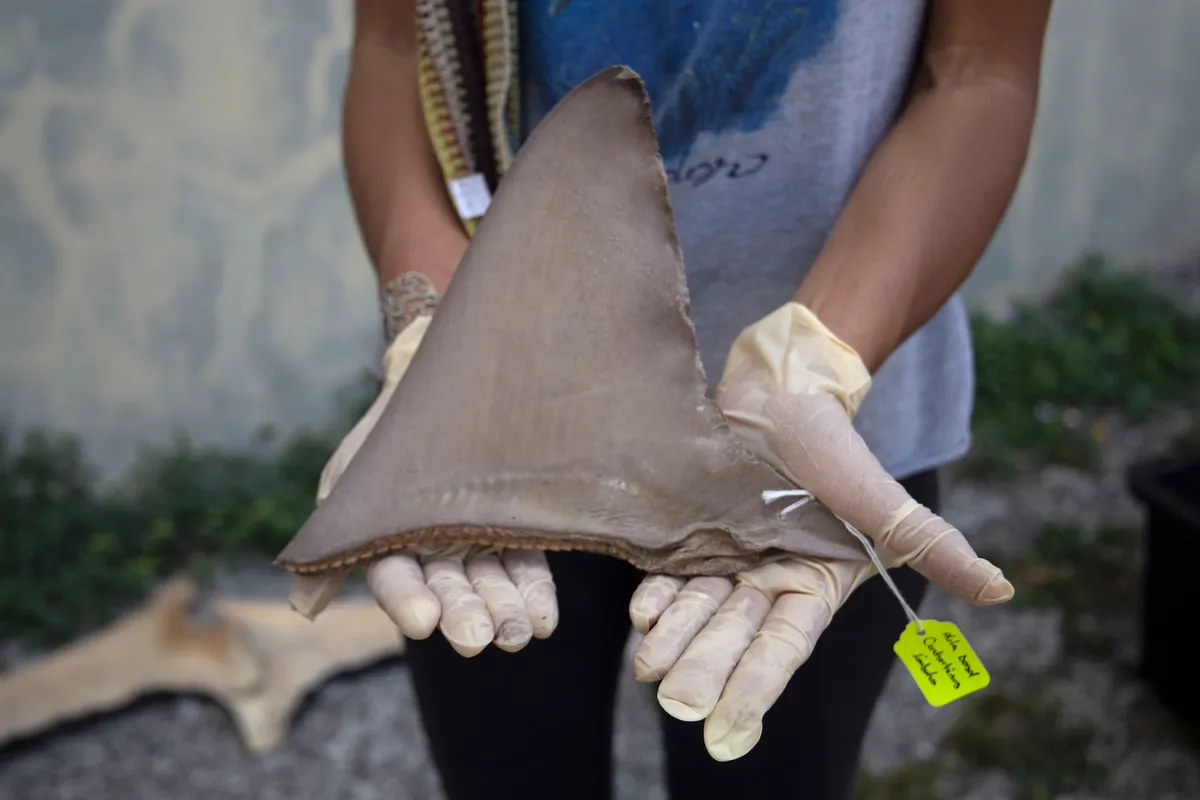
Panama looks to science, fishers, and the law to protect its sharks and rays - news - Mongabay
In Panama, various initiatives are underway to reduce bycatch of sharks and rays, led by biologists, NGOs, politicians, and local restaurants. Many industrial fishing boats carry biologists with them to help train the crew on how to free marine animals accidentally caught in their nets. A bill is also currently in discussion in the legislature that proposes measures to restore and conserve shark and ray populations. According to local experts, the bill would mark a major step forward for shark conservation, but still has significant weaknesses because the country lacks data on shark and ray populations, especially on breeding sites. PUERTO CAIMITO, Panama — It’s a late April morning and the Tabor, an industrial fishing boat, is sailing around Chepillo Island in Panama Bay. Under the eyes of the crew, Yehudi Rodríguez, a marine biologist specializing in sharks, and sailor Joel Cordoba free a large black devil ray from a purse seine net and launch it back into the water.
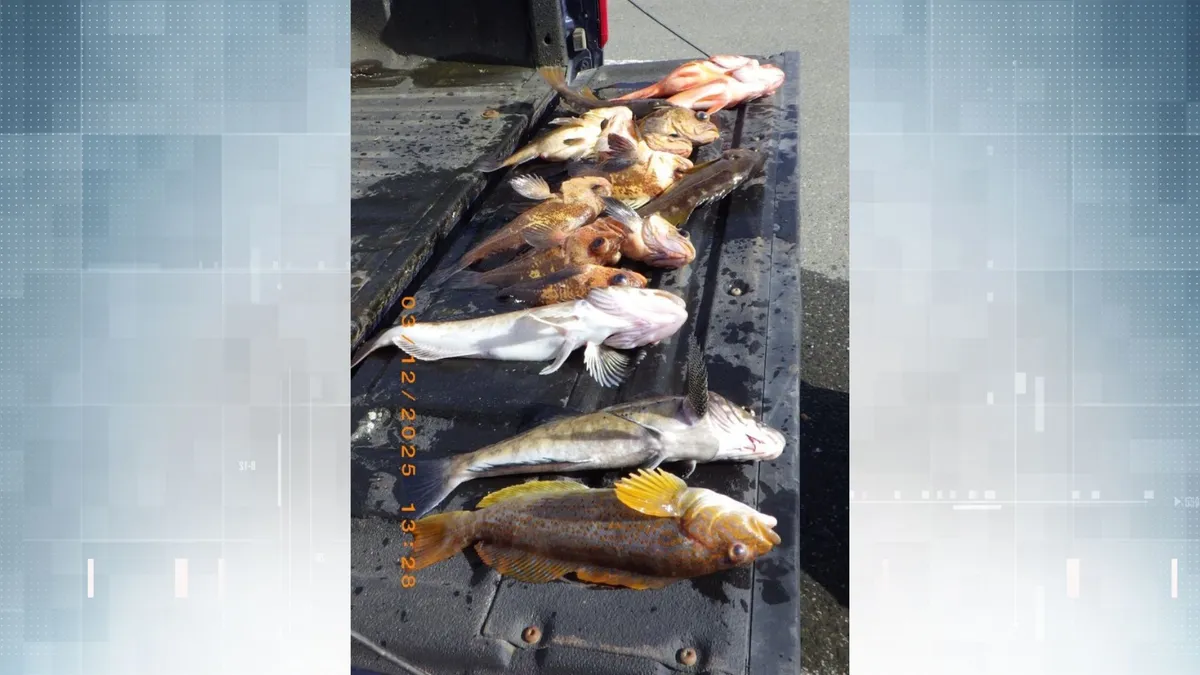
Two fishers fined for illegally fishing rockfish in Port Hardy - CHEK News
Photograph of illegally caught fish presented as evidence to the Court. (DFO handout image) Two fishers have been fined $4,250 and $4,500 after being caught keeping rockfish near Port Hardy.
0 comments
No comments yet. Be the first to share your thoughts!