AI is helping pathologists find harmful lesions the eye can’t see - Northeastern Global News
This story deserves to be shared
Send it to someone who'd care, or post it on your networks.
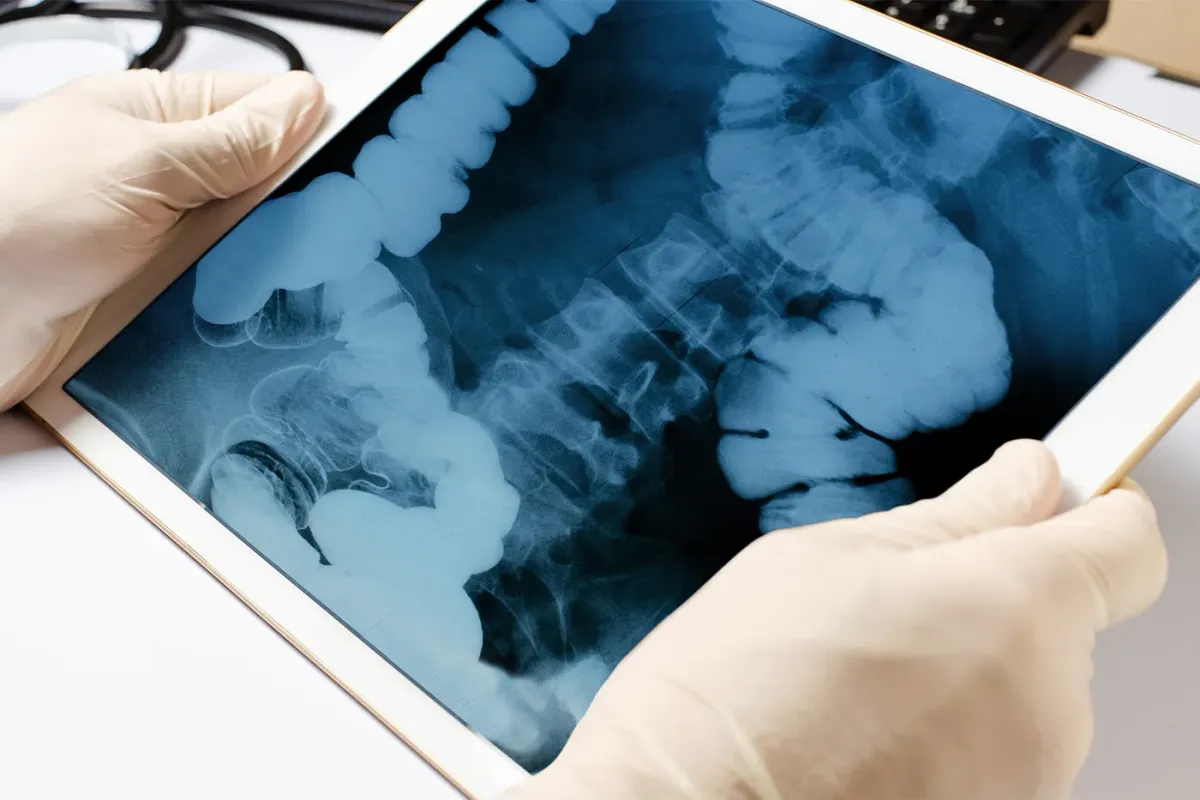
As a pathologist, Dr. Christopher Owens has spent his career trying to improve his methods of catching precancerous colorectal polyps in patients.
If he were to be able to catch cases earlier, fewer people would develop colorectal cancer, he said.
This article is an excerpt. To read the full content, visit the original source. Northeastern Global News
Related articles
MSU forensic pathologists begin service in Kent and Ottawa counties - MSUToday
MSU forensic pathologists Amanda Fisher-Hubbard and Nicolas Kostelecky begin medical examiner services for Kent and Ottawa counties at Corewell Health.
AI trained to 'think' like human pathologists may be better at spotting cancer - Live Science
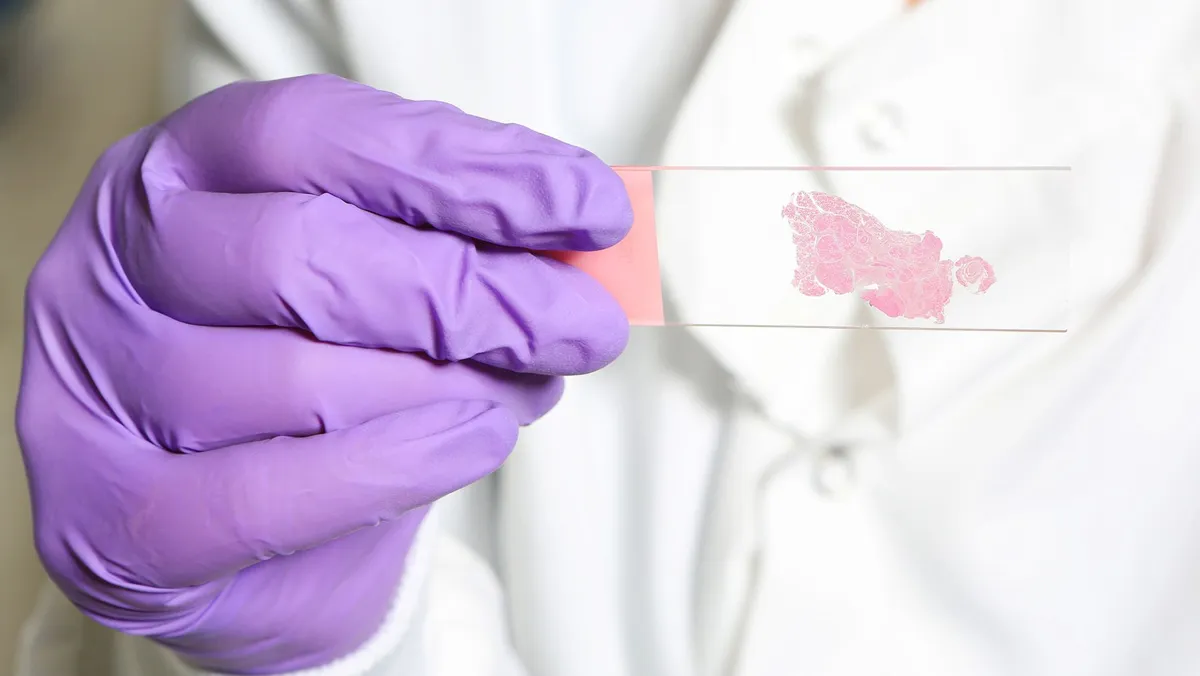
Researchers trained AI on how expert pathologists look for signs of cancer in patient samples, improving the algorithm's effectiveness.
Low Daily Step Counts Linked To Dementia, Parkinson's And Stroke - U.S. News & World Report

Increased risk-taking behavior precedes higher alcohol consumption, study finds - News-Medical
A novel study has found that increases in risk-taking behavior in people with mild to moderate alcohol use disorder (AUD) precede increases in alcohol consumption, not vice versa. This research is the first to predict changes in real-life drinking longitudinally using gamified smartphone-based decision-making tasks. The findings from the new study, appearing in Biological Psychiatry: Cognitive Neuroscience and Neuroimaging, published by Elsevier, open up the possibility of future targeted and timely interventions for people with AUD. AUD is a major contributor to global disability and mortality. Cross-sectional studies have linked AUD to reduced cognitive control and heightened risky decision making. However, whether these cognitive-behavioral alterations are a consequence or a precursor of changes in drinking was previously unknown. This study clarifies the temporal direction of these effects.

Blood pressure drug losartan boosts metabolism by stimulating brown fat - News-Medical
Losartan, a drug commonly prescribed for high blood pressure, boosts brown adipose tissue or "brown fat" activity and enhances its metabolism, according to a preclinical study by Weill Cornell Medicine, Rockefeller University and Memorial Sloan Kettering Cancer Center researchers. The findings suggest that repurposing losartan—an angiotensin receptor blocker (ARB) with a well-known safety profile—may potentially offer a therapeutic approach to stimulate brown fat, which has been linked to improved cardiovascular health. Unlike normal white fat, which stores energy in the body, brown fat burns calories to generate heat. The study also reported, for the first time, that brown fat is associated with reduced prevalence of psychiatric diseases. The study, published Oct. 14 in Nature, analyzed PET/CT scans that were performed as part of cancer surveillance for over 100,000 patients. The researchers focused on the scans that detected brown fat, which is located in six regions of the body, including the neck, armpit and around organs like the heart and kidneys.
Endometriosis Guidelines Differ on Biomarkers and Repeat Surgery - The American Journal of Managed Care
A review of 47 endometriosis guidelines found most came from high-income settings and diverged on biomarkers, repeat surgery, and fertility referral. Most of the 47 endometriosis guidelines reviewed worldwide came from high-income settings, and they disagreed on biomarkers, repeat surgery, and fertility referral, according to a scoping review published October 14, 2026, in Communications Medicine.1Endometriosis affects about 10% of people of female sex of reproductive age, or roughly 190 million worldwide.2 Diagnostic delays of 12 years or more have been reported, although some high-income settings have reduced that to about 6 years, according to the authors.1 They noted that no globally applicable care guidance exists. Guidelines Concentrate in High-Income RegionsThe research team searched PubMed, Embase, and Scopus through October 2025 and grey literature through March 2026. They included 47 guidelines, 28 in English and 19 in other languages. Thirty-eight were national guidelines, and 9 were international or regional. Europe produced about a third of all 47, while Africa accounted for 2% and the Eastern Mediterranean for 4%.
0 comments
No comments yet. Be the first to share your thoughts!