BBlogFlow

Categories

Technology

12547 articles

Technology

Stock of the Week: Marvell Technology and the Race for AI Infrastructure’s Most Valuable Resource - XTB.com

The development of artificial intelligence has created a new problem for the semiconductor industry. Increasing the computing power of chips is not enough if data cannot be delivered to them quickly enough. As a result, memory is becoming increasingly important, as is the infrastructure responsible for moving data between memory, compute chips, and the other components of servers. This so-called “memory wall” could become one of the most important constraints on the continued development of AI infrastructure. This is the problem Marvell Technology aims to capitalize on. The company does not manufacture memory chips themselves, but provides technologies that allow their capacity, bandwidth, and availability to be used more efficiently. Memory controllers, CXL solutions, switches, optical connectivity, PCIe technologies, and custom-designed chips are creating an increasingly important infrastructure layer between memory and compute.


XTB.com·
Technology

What Firan Technology Group (FTG) Said on Its Q3 Earnings Call - MarketBeat

Firan Technology Group TSE: FTG reported record third-quarter results for fiscal 2026, as demand from aerospace and defense customers supported higher bookings, revenue, profitability and backlog. President and Chief Executive Officer Brad Bourne said the company recorded $90 million in bookings during the quarter, up 75% from the prior-year period, producing a book-to-bill ratio of 1.41-to-1. Quarter-end backlog reached $221 million, up 49% from year-end 2025. Revenue rose 34.3% year over year to $64 million.

MarketBeat·
Technology

Speed to Power through Accelerated Reconductoring and other Key Advanced Transmission Technology Upgrades (SPARK) - Department of Energy (.gov)

Quick LinksTopic AreasWho Can ApplyKey DatesAdditional InformationTopic AreasTopic Area 1: Grid ResilienceThis topic area supported projects that strengthen grid reliability and resilience through reconductoring and deploying other ATTs. These projects must expand the transfer capacity of existing transmission or sub-transmission, improve system flexibility, and reduce the likelihood and consequences of disruptive events. Topic Area 2: Smart GridThis topic area supported projects focused on deploying advanced grid technologies, which may include new devices, materials, engineering designs, or software tools. These projects must enhance the efficiency, reliability, and operational flexibility of the electric grid through smart grid technologies that enable real-time monitoring, control, and optimization of grid assets. Topic Area 3: Grid Innovation ProgramThis topic area supported high-impact, innovative projects that enhance grid reliability and resilience, with a focus on transmission systems that facilitate development of new large loads.

Department of Energy (.gov)·
Technology

2019 Wind Energy Data & Technology Trends - Department of Energy (.gov)

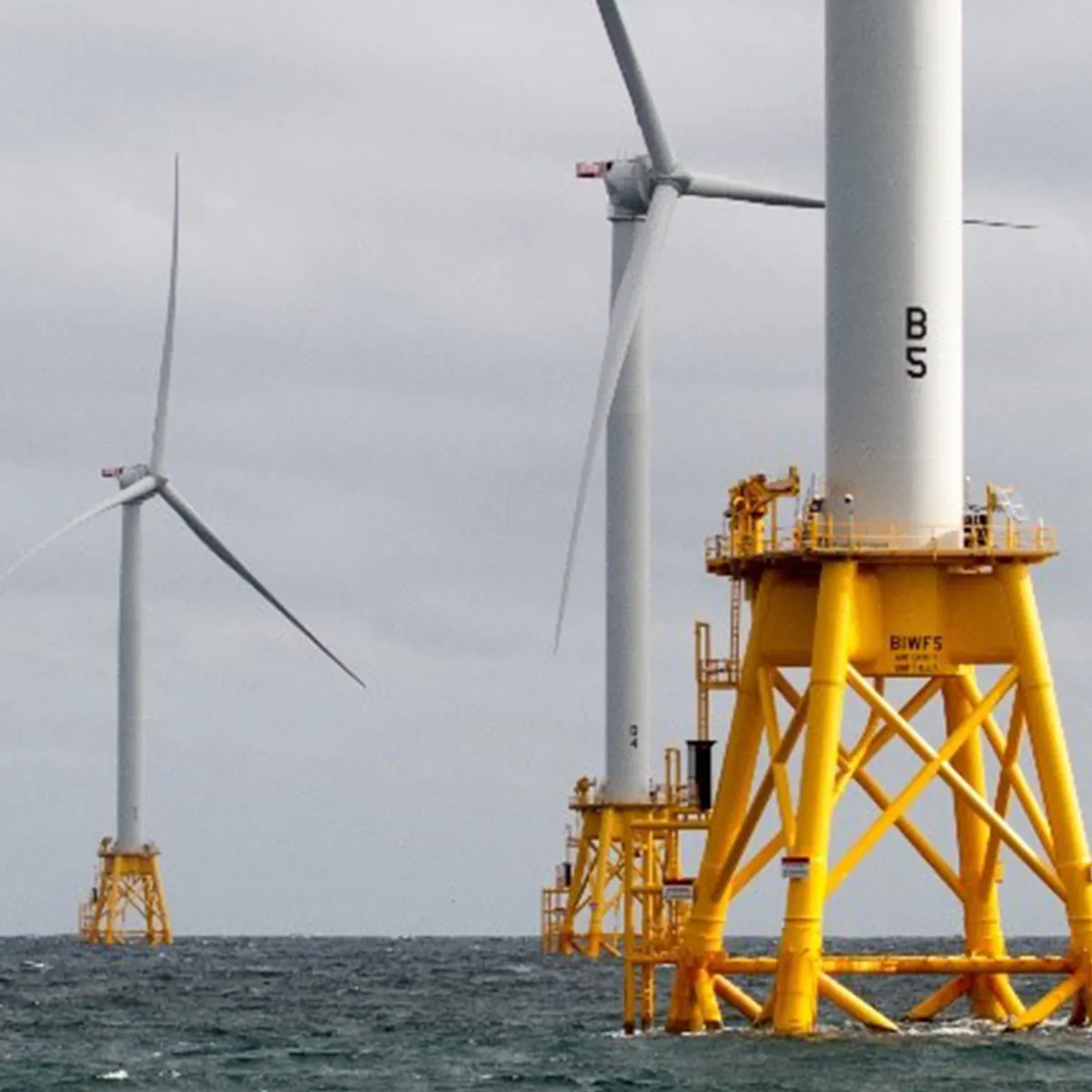
U. S. wind power has more than tripled in the past decade to become the largest source of renewable power in the country. The U. S. Department of Energy provides this data, updated annually, to track trends in wind technology, cost, and performance through the end of 2019. These data are from a combination of publicly available, confidential, and proprietary sources. It provides unbiased, independent, public reporting of the current state of the industry, and insight into multiyear trends.2019 Wind Technology Data2019 Distributed Wind Data2019 Offshore Wind Data U. S. wind power additions continued at a strong pace in 2019, with over 9,000 megawatts (MW) of new capacity added, bringing total U. S. capacity to 105.6 gigawatts (GW). Wind power represented the second-largest source of U. S. electric-generating capacity additions in 2019, behind solar. Improvements in the cost and performance of wind power technologies have also driven wind capacity additions, yielding low-priced wind energy for utility, corporate, and other power purchasers.

Department of Energy (.gov)·
Technology

DOE Small Business Innovation Research (SBIR) and Small Business Technology Transfer (STTR) - Department of Energy (.gov)

DOE’s new SBIR/STTR programs will follow the phases illustrated below. Participants will submit a single application to enter the program and may progress to subsequent phases through a series of Go/No-Go decision points. Therefore, once the initial application is submitted, no additional applications will be required. Instead, participants will advance through subsequent phases at their own pace by successfully meeting established milestones and performance criteria.

Department of Energy (.gov)·
Technology

Breaking It Down: Next-Generation Batteries - Department of Energy (.gov)

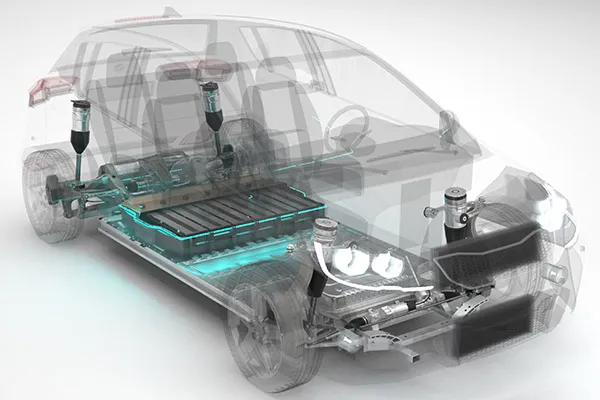
The Breaking It Down series aims to inform and inspire people by putting advanced manufacturing technologies and processes into simpler terms. With electric vehicles (EVs) that get us places, cell phones that connect us to others, and utility-scale electric grid storage that powers our homes, batteries are all around us. Batteries can be either mobile, like those in electric vehicles, or stationary, like those needed for utility-scale electricity grid storage.

Department of Energy (.gov)·
Technology

Energy Technology Innovation Partnership Project - Department of Energy (.gov)

The U. S. Department of Energy's (DOE) Energy Technology Innovation Partnership Project (ETIPP) works alongside coastal, remote, and island communities that are seeking to improve the resilience, affordability, and reliability of their energy systems. ETIPP helps these communities overcome the unique geographical and logistical challenges that limit their access to affordable, reliable, and secure energy resources. This multi-year, cross-sector technical assistance program applies a tailored approach to each participating community. Leveraging the experience and expertise of its partner network—a broad coalition of local stakeholders, regional organizations, national laboratories, and DOE offices—ETIPP helps communities proactively identify and implement solutions that suit their particular needs. ETIPP offers two tracks: strategic energy planning (four to eight months) and deep-dive technical assistance (12 to 24 months) for specific energy projects. Selected communities receive support for a project scoping phase, followed by energy planning and analysis projects that:Address the community's energy priorities, goals, challenges, and opportunities.

Department of Energy (.gov)·
Technology

Hydraulic Fracturing Technology - Department of Energy (.gov)

Hydraulic fracturing is a technique in which large volumes of water and sand, and small volumes of chemical additives are injected into low-permeability subsurface formations to increase oil or natural gas flow. The injection pressure of the pumped fluid creates fractures that enhance gas and fluid flow, and the sand or other coarse material holds the fractures open. Most of the injected fluid flows back to the wellbore and is pumped to the surface. Hydraulic fracturing has been used for over 60 years in over one million wells. Recently, public concern about potential impacts on drinking water and other environmental damage has significantly grown. Consequently, Congress directed the Environmental Protection Agency (EPA) in 2010 to conduct a study of this practice to better understand any potential impacts of hydraulic fracturing on drinking water and groundwater. DOE/NETL is working closely with the EPA as it carries out the study and is also collaborating with the Department of the Interior to enhance understanding of these risks. On May 5, 2011, U. S.

Department of Energy (.gov)·