BBlogFlow

Categories

Science

12539 articles

Science

The Japan Segment From "Actually, It Is Rocket Science" - Teton Gravity Research

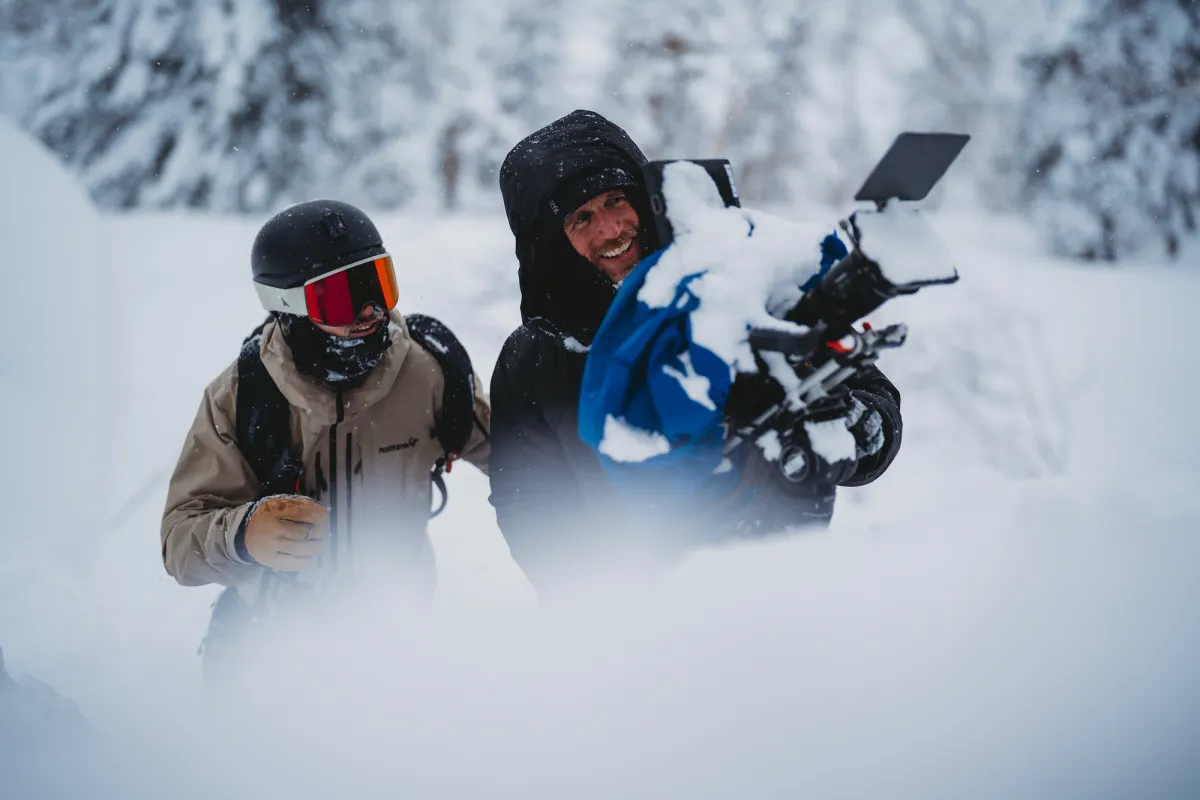
Film TourMaggie Voisin, Teal Harle, and Nick McNutt head to Japan for the latest segment from TGR’s "Actually, It Is Rocket Science". Oct 07, 2026Popular StoriesJapan has a way of making a good forecast look even better. Maggie Voisin, Teal Harle, and Nick McNutt, spent part of their season chasing storm cycles across Japan, finding deep snow along the way and plenty of good food in between. Film TourMaggie Voisin Breaks Down the Science of SkiingJapan delivered the kind of conditions that make you forget about everything else for a while. From the first flakes to the last run, this was Japan at its best. Watch the full Japan segment from Actually, It Is Rocket Science now. Sign Up for the TGR Gravity Check Newsletter NowReinvent your morning scroll with the TGR Gravity Check Newsletter — your source for exclusive stories, breaking news, and first looks at the content you actually care about. Everything action sports and outdoor culture, all in one place. Welcome to Gravity Check.100% Free. No Spam. Unsubscribe any time. FeaturingLocationsRelated TopicsChris FureyContent ManagerI’m an extreme sports athlete focused on speedflying, foiling, wakesurfing, skiing, and climbing.

Teton Gravity Research·
Science

DNA From a Human Brain Gene Has Turned Up In a Virus - ScienceAlert

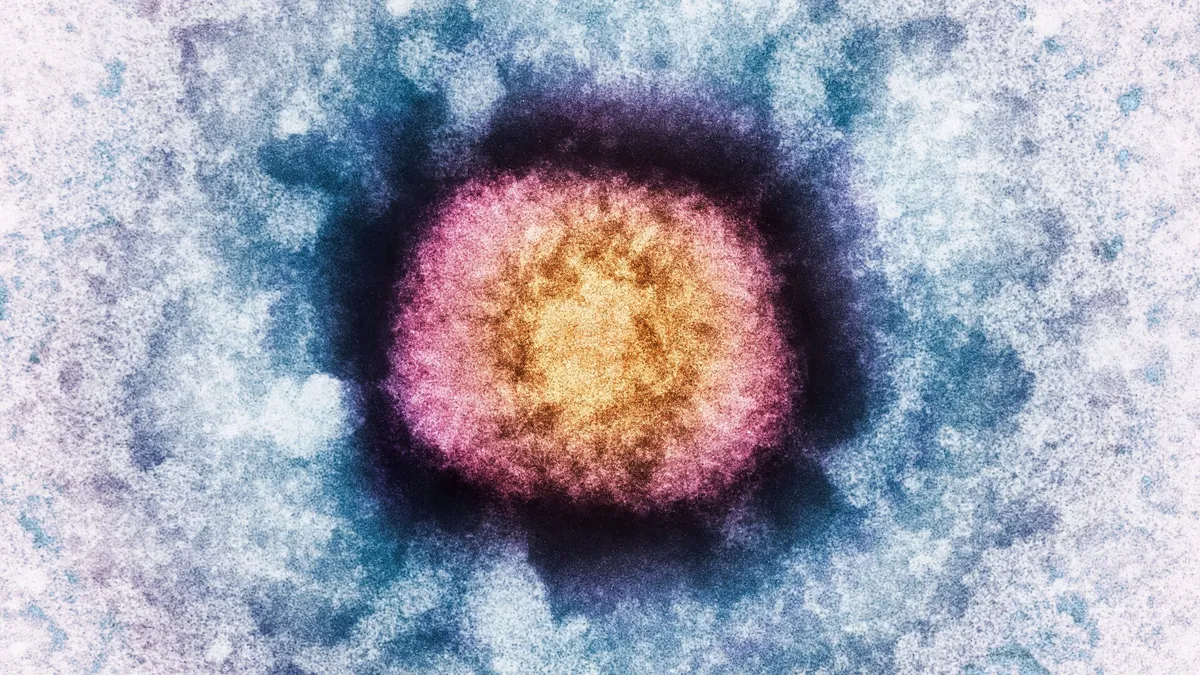
Unrelated virus. (Heather Davies/SPL/Getty Images) Some pieces of our DNA can copy themselves into new locations. Copies derived from one gene active in human brain cells appear to have taken that journey further: into a virus. Researchers found two such sequences, derived from a gene called BC200, inside molluscum contagiosum virus, which infects our skin and causes small, raised lesions. The discovery reveals an unusual genetic double life. BC200 acquired a cellular role millions of years ago, yet retained the ability to produce copies that insert themselves elsewhere. A study published in Science suggests this movement has continued throughout primate evolution, contributed to differences among human genomes, and carried BC200-derived sequences across the boundary between humans and a virus. But the virus didn't simply take a gene from a brain cell, and nothing suggests it gained anything resembling brain function. What these sequences actually do inside the virus is still unknown. BC200 works differently from most genes: it skips the step of coding for a protein altogether, producing a short RNA molecule instead – one that's especially abundant in neurons.

ScienceAlert·
Science

The 6 Best Science Fantasy Books Released Since 2020, Ranked - Collider

You can spend ten minutes arguing over whether a book contains sufficiently rigorous technology to count as science fiction, then somebody summons a demon through an interstellar civilization and the whole conversation becomes wonderfully pointless. The books I love most in this space behave like they have better things to do than ask permission because honestly, science fantasy is where genre labels start feeling a little childish. These six are exactly that kind of trouble. They throw necromancy into space, biotech into pirate cities, djinn into cyberpunk, Faustian bargains into violin lessons, and anthropology into what looks suspiciously like a medieval quest. Yet the weirdness comes with substance and doesn’t ask for permission. It all fits just right in and so if that’s your piece of cake, have at it with these 6 finest science fantasy books released since 2020.

Collider·
Science

Science on Target: Q3 Publications from our Innovation Ecosystem - Target ALS

Check out these 14 publications from members of our Innovation Ecosystem published in the third quarter. Antisense Oligonucleotide Tofersen Distribution in the Central Nervous System of SOD1-ALS Autopsy Tissue Donors. Guise AJ, Sellon MT, Roemer SF, Monine M, Comfort Harris NT, […] Plowey ED.  JAMA Neurol. 2026 Jul 6:e262195. doi: 10.1001/jamaneurol.2026.2195. Epub ahead of print. PMID: 42406382; PMCID: PMC13338845.

Target ALS·
Science

UK science council: decide on AI in schools without waiting for RCTs - ActuIA

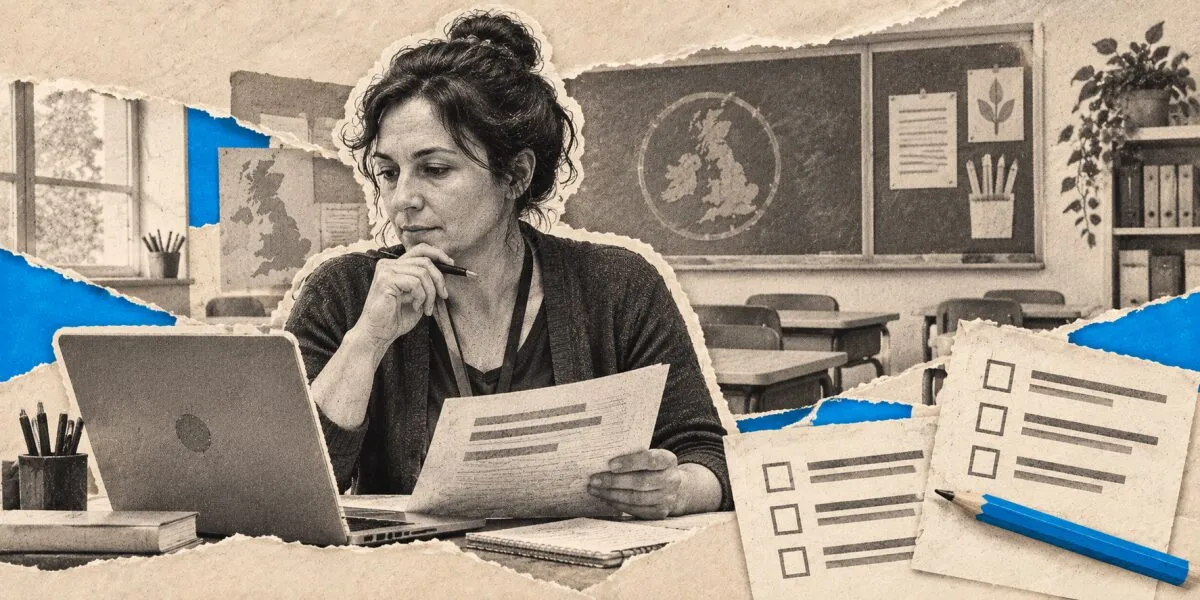
On 24 September 2026, the UK Department for Education published an eighteen-page report produced by the 'AI and digital education' working group of its Science Advisory Council. The document, 'Principles for evidence-informed policymaking in fast-changing technology contexts', starts from a timing problem: a scientific publication dated 2023 or 2024 is generally based on data collected in 2021 or 2022, when uses, capabilities and products have already changed. 'The demand for randomised controlled trial level evidence before any recommendation to practitioners is not a neutral methodological choice', the working group writes. 'In a fast-moving technological context, it functions as a decision not to give recommendations, indefinitely.' The text is independent advice submitted to the department, it does not commit the department's policy, and the GOV. UK page specifies that it applies to England.

ActuIA·
Science

Science on Target: Q3 Research We Enable - Target ALS

Read on for updates across the Research we Enable The Target ALS Postmortem Core has now collected brain and spinal cord tissue from over 650 cases, making it the largest and most comprehensive ALS tissue repository worldwide that is accessible with no-strings-attached to the global research community. This robust and expanding collection provides researchers with access to high-quality, well-annotated biospecimens essential for advancing understanding of ALS biology. The PMT Core is led by new co-director Dr. Kathryn Schwetye, Associate Professor of Pathology and Immunology at Washington University and Neurology, Georgetown University, and Dr. Bob Bowser, CSO, Barrow Neurological Institute (BNI), and supported by expert neurologists and pathologists from Columbia University, Washington University, UCSD, Georgetown University, BNI, and Edinburgh University.

Target ALS·
Science

2027 Bell Chair Graduate Student Conference in Canadian Politics - Carleton University

The Bell Chair in Canadian Parliamentary Democracy at Carleton University is pleased to announce the return of the Canadian Politics Graduate Student Conference in February 2027. First held in 2011 and again in 2015, 2019, and 2024, this conference is an opportunity for advanced MA and PhD students to present their research on Canadian politics. Many leading scholars and practitioners in Canadian politics today got their start at this conference! The conference will be held in Ottawa on the Carleton University main campus in Ottawa on Thursday February 11 and Friday February 12, 2027. Travel subsidies are available. There is no registration fee.

Carleton University·
Science

Pediatricians renew call to ban raw milk as anti-science rhetoric reigns - Ars Technica

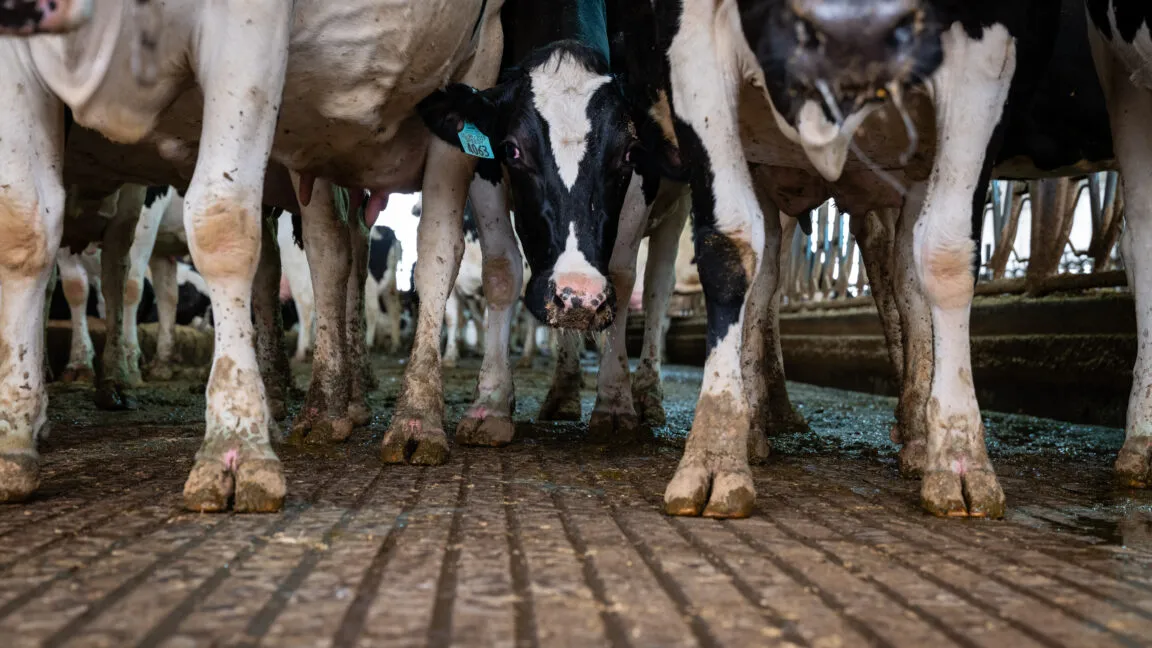
As many doctors are moving ahead with the latest advances of modern medicine—from powerful obesity drugs to breakthrough cancer treatments—pediatricians are being forced to turn back, fighting to maintain advances in children’s health that were hard-won decades ago. With anti-vaccine advocate Robert F. Kennedy Jr. as health secretary, the American Academy of Pediatrics (AAP) has spent a considerable amount of time and resources in the past year fiercely defending lifesaving vaccinations—safe, routine shots that have saved the lives of millions of children over decades and thwarted untold suffering and disability.

Ars Technica·
Science

Sunlight and precise nutrient management, keys to success in urban agriculture - EurekAlert!

image: Crops at the ICTA-UAB build-integrated rooftop greenhouse, at the Universitat Autònoma de Barcelona, Spain. Factors such as sunlight and stage-specific nutrient application determine crop success in urban agriculture, far beyond fixed recipes or miracle solutions. This is demonstrated by an eight-year study conducted by the Institute of Environmental Science and Technology at the Universitat Autònoma de Barcelona (ICTA-UAB) in its build-integrated rooftop greenhouse, thermally connected to the facility itself, and located within the university campus.

EurekAlert!·
Science

The oldest known land animal is 194. How did he get so ancient? - Scientific American

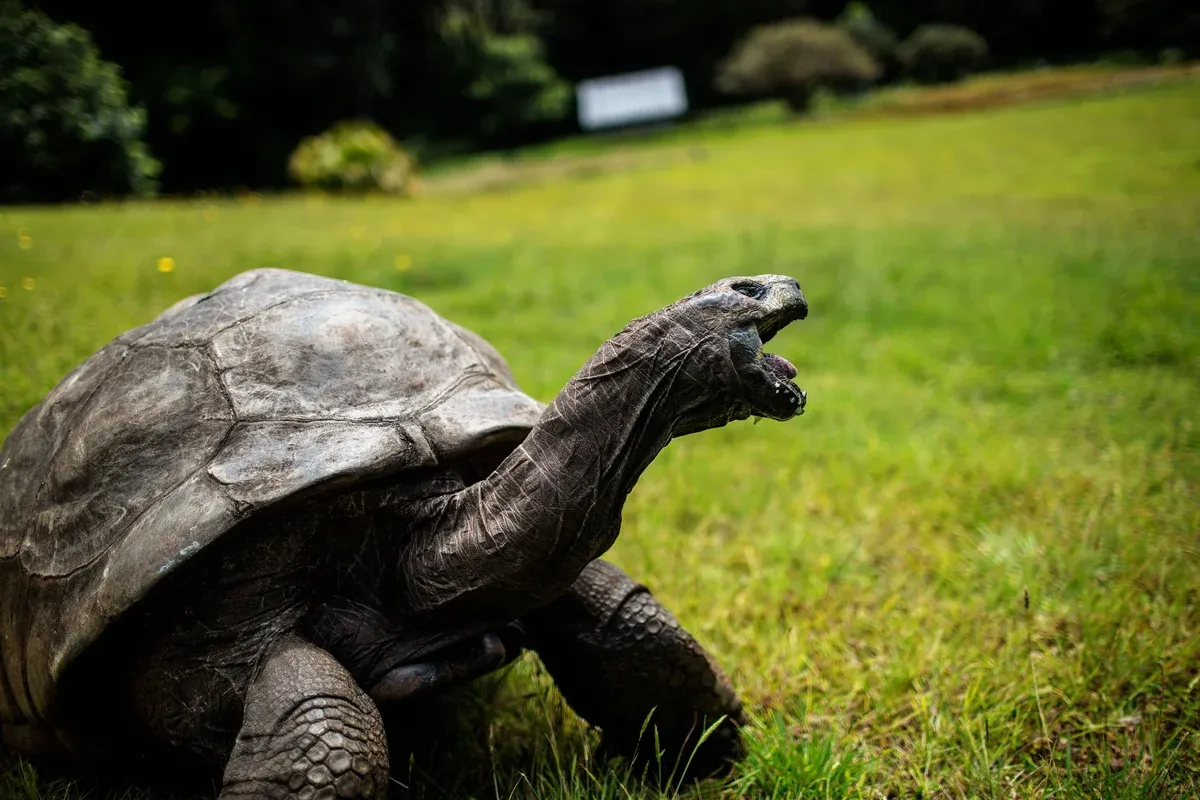
October 7, 20263 min read Add Us On GoogleAdd SciAmThe oldest known land animal is 194. How did he get so ancient? The secret to Jonathan the tortoise’s extreme longevity may be in keeping genes tidyBy Jacek Krywko edited by Sarah Lewin FrasierJonathan the Aldabra giant tortoise is the oldest known land animal. Gianluigi Guercia/AFP/Getty ImagesJonathan, an Aldabra giant tortoise on the South Atlantic island of Saint Helena, appears fully grown in a photograph researchers say was taken around 1882. That means he’s survived to at least 194 years old, about a century past his species’ usual upper limit. In a new Science Advances study, scientists read his DNA to try and figure out why. To get the tortoise’s DNA material, Jonathan’s veterinarian Joe Hollins pretended to feed him, wedged his mouth open with a hard glove and scraped cells from inside his cheek. “It was quite tricky and dangerous,” says study co-author Stephen Clark, a researcher at the Kallel Foundation, a longevity nonprofit in Nashville. But it was worth the maneuver: the researchers found that, compared with other Aldabra tortoises, Jonathan has unique variants in 287 genes, some involved in DNA repair.

Scientific American·
Science

The Moon’s Origin Could Have Taken Just Five Hours—Scientists Stunned by New Findings - Futura, le média qui explore le monde

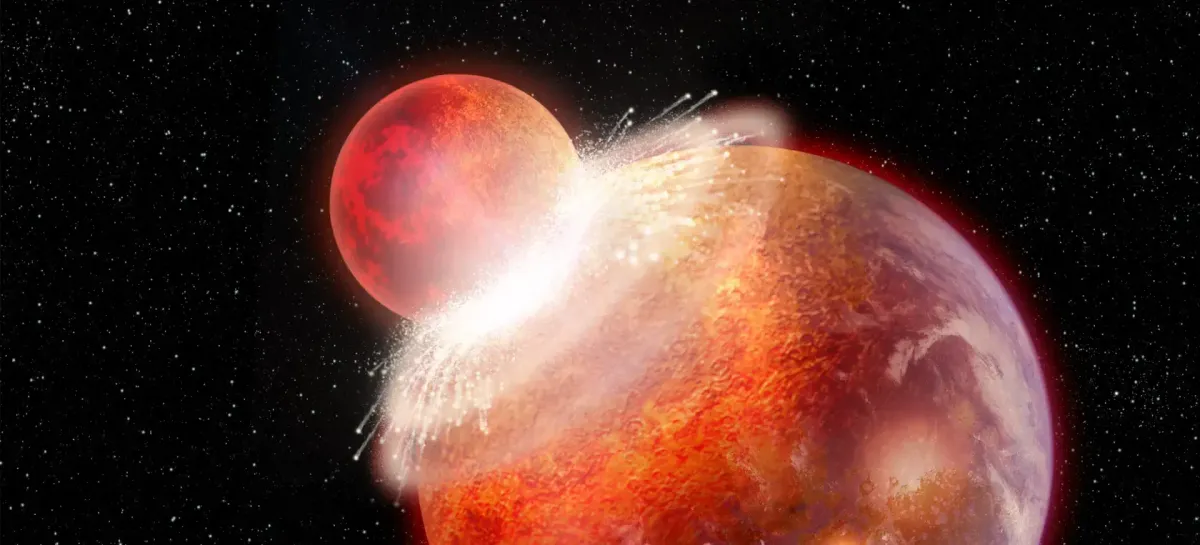
Illustration of the collision between Theia and the early Earth. © Pavel, Adobe Stock The Futura Team represents the pulse of Futura’s editorial department, bringing together a collective expertise dedicated to the dissemination of scientific knowledge. Rather than the work of a single author, every article published under this signature is the result of a rigorous collaborative process involving journalists, editors, and fact-checkers. Specializing in news analysis via desk research and international wire services, the team focuses on transforming raw information into accessible, verified content. This curation and synthesis process ensures constant monitoring of technological innovations and major scientific breakthroughs. By cross-referencing sources and conducting multiple rounds of peer review, the Futura Team guarantees scientific accuracy and pedagogical clarity. This collective signature serves as a hallmark of trust, providing reactive, cross-disciplinary information at the forefront of current events

Futura, le média qui explore le monde·
Science

Citizen science is transforming environmental research - HS Insider

For centuries, science breakthroughs relied on scientific researchers conducting rigorous studies with technologically advanced materials. However, this concept of scientific research is changing with the rise of citizen science: the participation of the general public in collecting data, making observations, and analyzing input in the research process.  Although the term was coined 35 years ago, citizen […] For centuries, science breakthroughs relied on scientific researchers conducting rigorous studies with technologically advanced materials. However, this concept of scientific research is changing with the rise of citizen science: the participation of the general public in collecting data, making observations, and analyzing input in the research process.

HS Insider·