BBlogFlow

Categories

Science

12545 articles

Science

Sunlight and precise nutrient management, keys to success in urban agriculture - EurekAlert!

image: Crops at the ICTA-UAB build-integrated rooftop greenhouse, at the Universitat Autònoma de Barcelona, Spain. Factors such as sunlight and stage-specific nutrient application determine crop success in urban agriculture, far beyond fixed recipes or miracle solutions. This is demonstrated by an eight-year study conducted by the Institute of Environmental Science and Technology at the Universitat Autònoma de Barcelona (ICTA-UAB) in its build-integrated rooftop greenhouse, thermally connected to the facility itself, and located within the university campus.

EurekAlert!·
Science

The oldest known land animal is 194. How did he get so ancient? - Scientific American

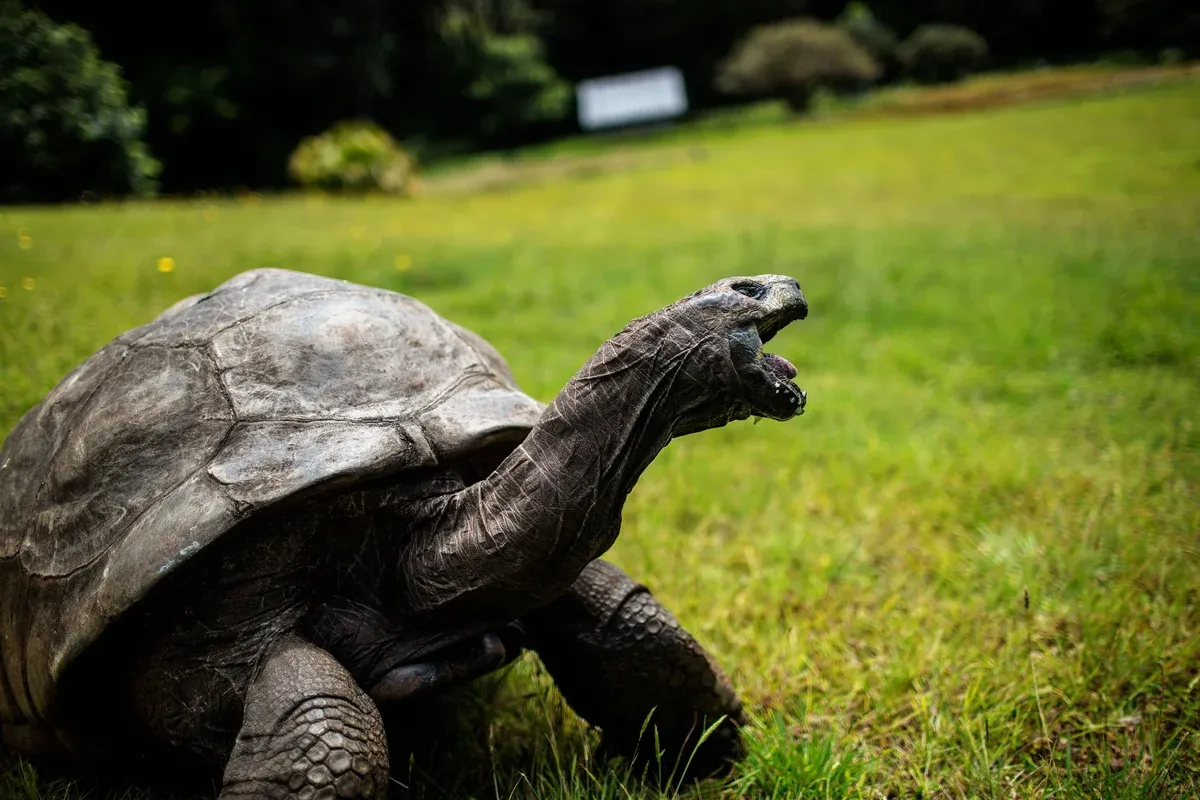
October 7, 20263 min read Add Us On GoogleAdd SciAmThe oldest known land animal is 194. How did he get so ancient? The secret to Jonathan the tortoise’s extreme longevity may be in keeping genes tidyBy Jacek Krywko edited by Sarah Lewin FrasierJonathan the Aldabra giant tortoise is the oldest known land animal. Gianluigi Guercia/AFP/Getty ImagesJonathan, an Aldabra giant tortoise on the South Atlantic island of Saint Helena, appears fully grown in a photograph researchers say was taken around 1882. That means he’s survived to at least 194 years old, about a century past his species’ usual upper limit. In a new Science Advances study, scientists read his DNA to try and figure out why. To get the tortoise’s DNA material, Jonathan’s veterinarian Joe Hollins pretended to feed him, wedged his mouth open with a hard glove and scraped cells from inside his cheek. “It was quite tricky and dangerous,” says study co-author Stephen Clark, a researcher at the Kallel Foundation, a longevity nonprofit in Nashville. But it was worth the maneuver: the researchers found that, compared with other Aldabra tortoises, Jonathan has unique variants in 287 genes, some involved in DNA repair.

Scientific American·
Science

The Moon’s Origin Could Have Taken Just Five Hours—Scientists Stunned by New Findings - Futura, le média qui explore le monde

Illustration of the collision between Theia and the early Earth. © Pavel, Adobe Stock The Futura Team represents the pulse of Futura’s editorial department, bringing together a collective expertise dedicated to the dissemination of scientific knowledge. Rather than the work of a single author, every article published under this signature is the result of a rigorous collaborative process involving journalists, editors, and fact-checkers. Specializing in news analysis via desk research and international wire services, the team focuses on transforming raw information into accessible, verified content. This curation and synthesis process ensures constant monitoring of technological innovations and major scientific breakthroughs. By cross-referencing sources and conducting multiple rounds of peer review, the Futura Team guarantees scientific accuracy and pedagogical clarity. This collective signature serves as a hallmark of trust, providing reactive, cross-disciplinary information at the forefront of current events

Futura, le média qui explore le monde·
Science

Citizen science is transforming environmental research - HS Insider

For centuries, science breakthroughs relied on scientific researchers conducting rigorous studies with technologically advanced materials. However, this concept of scientific research is changing with the rise of citizen science: the participation of the general public in collecting data, making observations, and analyzing input in the research process.  Although the term was coined 35 years ago, citizen […] For centuries, science breakthroughs relied on scientific researchers conducting rigorous studies with technologically advanced materials. However, this concept of scientific research is changing with the rise of citizen science: the participation of the general public in collecting data, making observations, and analyzing input in the research process.

HS Insider·
Science

Chat with Shengyao Lu - UVic

Can you tell me about your academic journey? Prior to joining UVic, I received my BSc. and Ph. D. degree at the University of Alberta.

UVic·
Science

NASA’s Curiosity Looks Back After Reaching Elevation Milestone - NASA Science (.gov)

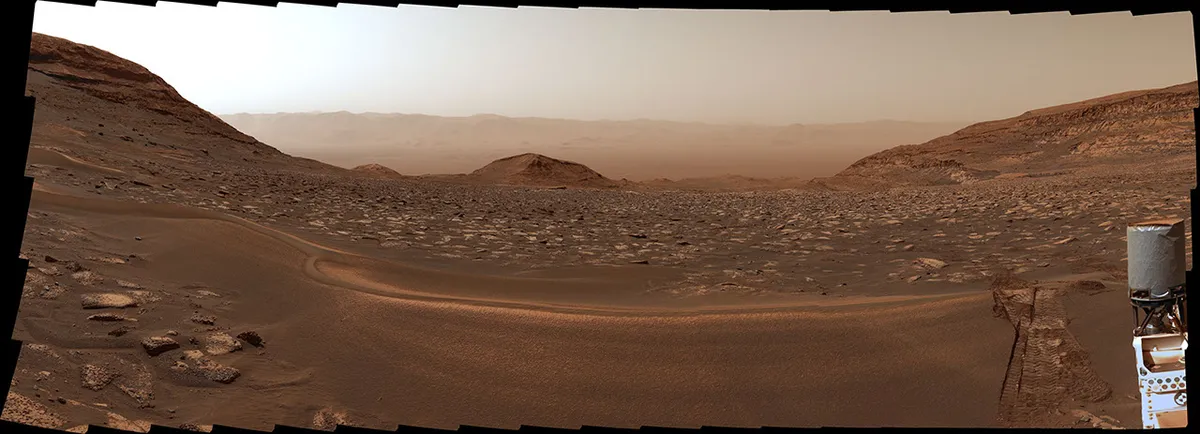
NASA’s Curiosity Mars rover captured this view looking back at the floor of Gale Crater, with the crater’s rim visible in the distance, on Sept. 5, 2026, the 5,006th Martian day, or sol, of the mission. Just nine days prior, on Aug. 26 (Sol 4,996), Curiosity set a mission milestone by reaching 1 kilometer of elevation above the crater floor. Since 2014, Curiosity has been climbing the lower foothills of Mount Sharp, a 3-mile-tall (5-kilometer-tall) mountain located within Gale Crater. A sand ridge extends across the foreground of the image, and a trench left by the rover’s right front wheel is visible at right. Geologic layering inside the ridge, as well as the size and composition of its sand grains, will provide clues to how the feature formed.

NASA Science (.gov)·
Science

At 9, Mindoro student becomes first Filipino ‘Absolute Winner’ in Copernicus science tilt - Philippine Canadian Inquirer

CALAPAN CITY, Oriental Mindoro — Nine-year-old Warren Wade Casuga has given the Philippines a first on the international science stage after emerging as the Absolute Winner in the Natural Science category of the 7th Copernicus Olympiad Global Round in Houston, Texas. Casuga, a Grade 4 pupil of Holy Infant Academy in Calapan City, finished first overall in his category and also received a gold award during the competition held at Rice University in January 2026. Local government and national reports identified him as the first Filipino to earn the Absolute Winner distinction in the Copernicus Olympiad.

Philippine Canadian Inquirer·
Science

One Simple Habit May Give Your Bowels a Boost Within Minutes - ScienceAlert

Nobody likes the feeling of being constipated, but the consequences of being backed up might be more serious than you realize. Research shows that the amount of time poop sticks around in your body can have an overlooked impact on your health and quality of life, with constipation being a known risk factor for cardiovascular events, including heart attacks, heart failure, and stroke, among other complications. Fortunately, there are steps you can take to get things moving again, and one of the easiest strategies is simply doing some light exercise. We know that people who do regular exercise have less risk of developing constipation, whereas low levels of physical activity and high amounts of sedentary behavior may increase your chances of getting blocked. What's less clear, though, is what exercise actually does inside the body to help prevent or alleviate constipation, but a recent study published in Scientific Reports offers some plausible explanations – and suggests physical activity has an "immediate effect" on your gut, which could help ease the problem.

ScienceAlert·
Science

The science behind the CMU Astro - CTV News

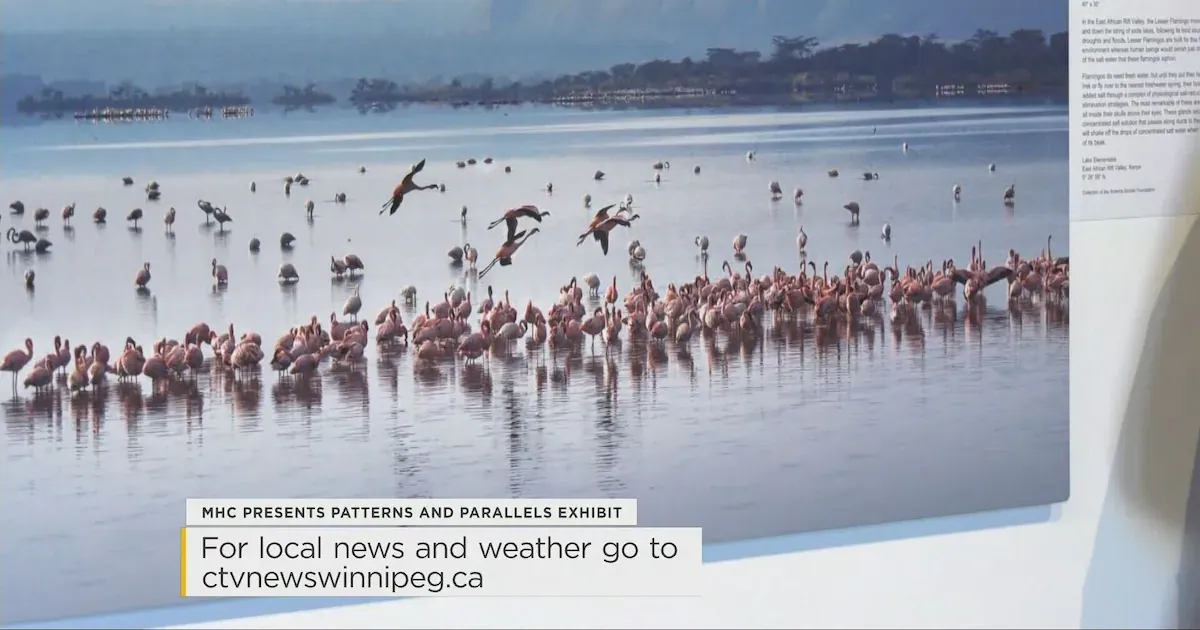
ADVERTISEMENTWinnipeg WatchDr. Rachel Krause, a biology professor at Canadian Mennonite University, discusses the initiative she worked on with Dr. Roberta Bondar. October 07, 2026 at 10:13a.m. EDT

CTV News·
Science

The 2026 Thermo Fisher JIC finalists have more than science in common - Society for Science

Finals Week is coming up soon for the 2026 Thermo Fisher Scientific Junior Innovators Challenge (Thermo Fisher JIC), and we are excited to welcome the Top 30 finalists to Washington, D. C. at the end of October. It’s going to be an unforgettable week of collaboration, discovery and celebration of their original research. Beyond their research, they bring the same dedication to other interests and pursuits. Here are a few fun facts about these remarkable middle schoolers. About 56% of finalists speak more than one language. Beyond English, some finalists speak Spanish, Mandarin, Telugu, Arabic, Russian and more!

Society for Science·