Categories
Science
12447 articles

Science
'Joyce,' a young Filipino mother and student (IMAGE) - EurekAlert! Science News Releases
“Joyce” holds her child in a photograph titled, “Hindi hadlang ang pagiging ina sa pag-aaral” (”Motherhood is not an obstacle to studying”), reflecting her experiences of pursuing her education while raising a child. “Joyce” / Capulong et al., 2026, Journal of Research on Adolescence
EurekAlert! Science News Releases·

Science
Iceland will tunnel into a volcano to tap into virtually unlimited geothermal power - ZME Science
An AI-generated image illustrating the concept of a geothermal plant drilling into a volcano’s magma chamber. An initiative that sounds a lot like Jules Verne‘s Journey to the Center of the Earth could open a new frontier in geothermal energy by deliberately drilling into magma, the molten rock beneath Earth’s surface.
ZME Science·
Science
For The First Time Ever, Quantum Spins Shift a Centimeter-Scale Object - ScienceAlert
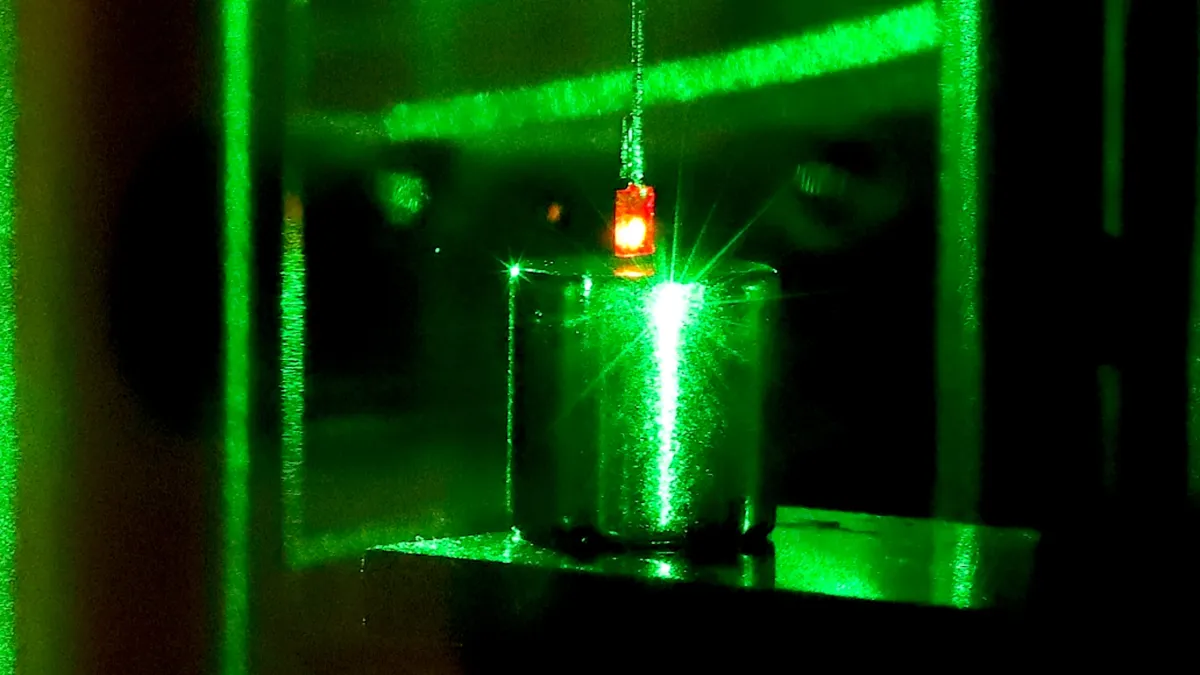
There's another notable first in the field of quantum physics to report on, and it's all to do with electron spin: the tiny, built-in magnetism of these particles, as if each one is carrying a microscopic compass needle. Previously, the force of these spins has only proved enough to nudge individual atoms in one direction or another. Now though, researchers have managed to shift something much, much bigger. A team from the Okinawa Institute of Science and Technology (OIST) in Japan has published a new study in Science Advances that details how a centimeter-sized object can be nudged by these quantum forces. It's an important step forward for science at the boundary of the quantum (very small scales) and the classical (everything else). Crucially, the experiment deals with an object big enough to be subject to gravity – a fundamental force that hasn't always sat well with the theories of quantum physics. "There have been many efforts to test whether quantum mechanics holds for anything larger than a few tens of nanometers, so far without success," says theoretical physicist Jason Twamley.
ScienceAlert·

Science
Scientists identify the neuroblastoma cells that signal poor outcomes - News-Medical
Neuroblastoma is the most common solid tumor found outside of the brain in children, yet why some children respond well to treatment while others do not has remained poorly understood. St. Jude Children’s Research Hospital scientists and their collaborators built one of the most comprehensive datasets of neuroblastoma cells to date, using it to define the tumor’s cell types and identify a gene signature marking a malignant cell population tied to poor prognosis. The team also created patient-derived models that capture this population, which older laboratory cell lines had missed. The findings, published today in Cancer Cell, give researchers a new framework and a set of tools to study high-risk neuroblastoma. Co-corresponding authors Elizabeth Stewart, MD, St. Jude Department of Oncology, Michael Dyer, PhD, St. Jude Department of Developmental Neurobiology chair, and first author Anand Patel, MD, PhD, St. Jude Department of Oncology. Image Credit: St. Jude Children's Research Hospital
News-Medical·

Science
Scientists calculate how much information exists in the observable universe - The Brighter Side of News
A theoretical calculation estimates roughly 6 × 10⁸⁰ bits of information in selected ordinary-matter particles across the observable universe. The model applies Shannon information theory, assigning an average of 1.509 bits to the particle categories it considers. The study excludes several components and does not establish that information is a new state of matter. An electron’s mass, charge and spin help distinguish it from other particles. Those identifying properties also raise a question: could matter itself be treated as a store of information, and could its information content be counted? The calculation offers one approach to a longstanding problem, rather than a measurement of everything the universe contains. Its result depends on how information is defined, which particles are counted and assumptions about where information can reside. Dr. Melvin Vopson of the University of Portsmouth's School of Mathematics and Physics. (CREDIT: University of Portsmouth) An information count built from particle identityMeasuring an electron’s characteristic properties allows an observer to identify it.
The Brighter Side of News·

Science
According to Science, People Who Use Emojis in Texts Have Higher Emotional Intelligence - Grazia
thinking. A thumbs-up after confirming dinner plans, a laughing face to soften a sarcastic remark, a heart slipped into a goodnight
Grazia·
Science
Art of Science: The Shape of Things to Come - Walter and Eliza Hall Institute of Medical Research
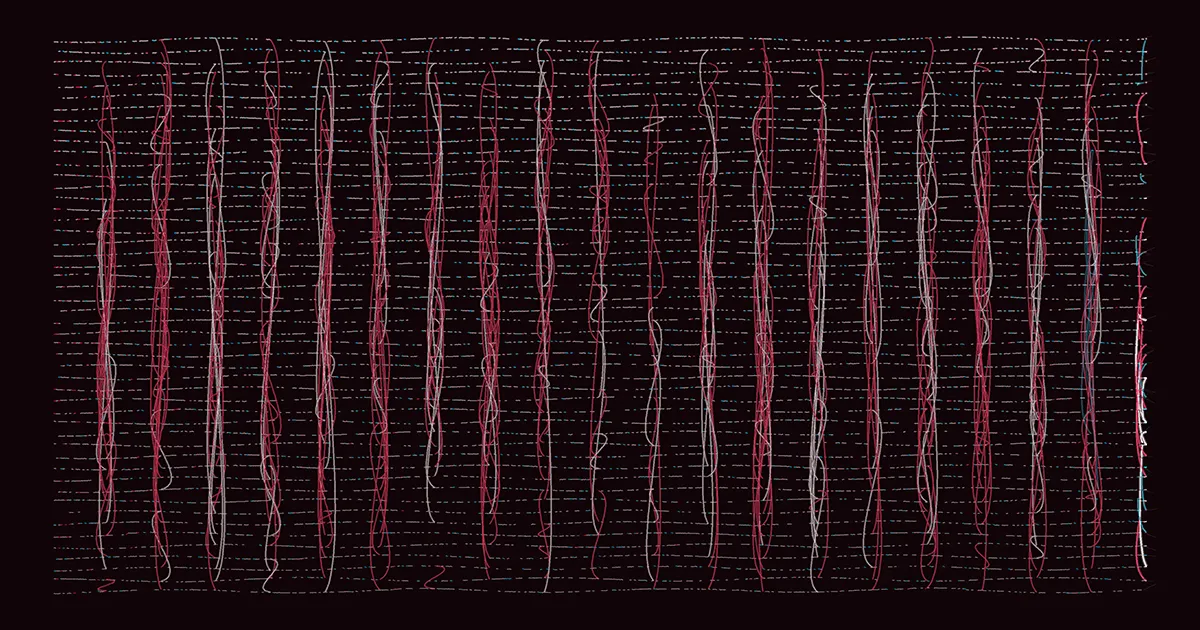
At first glance, these delicate lines resemble the threads of an unfinished tapestry, capturing a process still unfolding. Here, the weave tells a story of innovation, as powerful computational tools help scientists search for the therapies of tomorrow. Jerry’s artwork reveals the hidden design process behind next-generation nanobodies – tiny antibody-like molecules derived from alpacas and other camelids, that can be adapted to recognise disease-causing viruses.
Walter and Eliza Hall Institute of Medical Research·
Science
ISTA Professor Tamás Hausel secures computational support for AI-assisted mathematics research - EurekAlert!
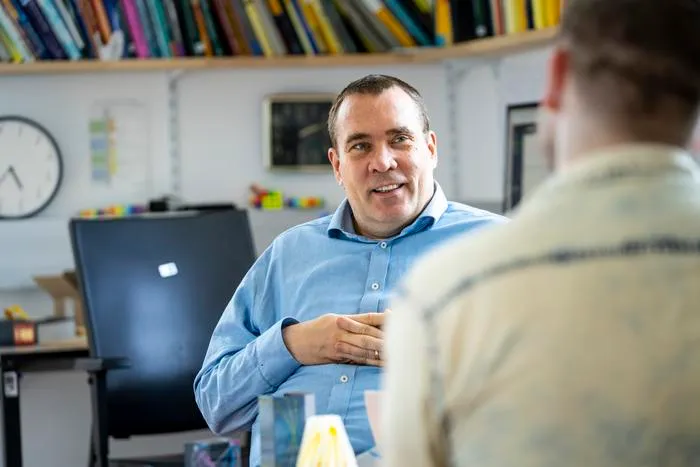
The Project Numina Fellowship received by ISTA Professor Tamás Hausel supports scientists in accelerating their research with AI tools designed for mathematical reasoning. Disclaimer: AAAS and EurekAlert! are not responsible for the accuracy of news releases posted to EurekAlert! by contributing institutions or for the use of any information through the EurekAlert system.
EurekAlert!·
Science
University of Alberta researchers find evidence raptor may have fed on apex predator - Global News
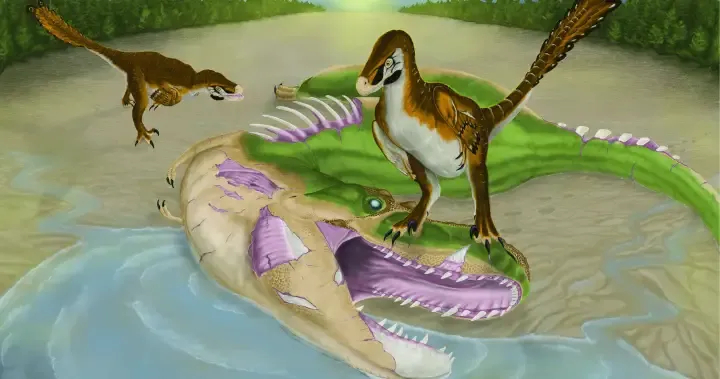
Researchers at the University of Alberta say they have discovered what could be the first evidence of a small raptor feeding on a much larger tyrannosaur — offering a glimpse into the feeding habits of dinosaurs millions of years ago. The discovery centers on unusual bite marks found on the jawbone of an Albertosaurus — an apex predator related to Tyrannosaurus rex that lived in what is now Alberta during the Late Cretaceous period. A study by U of A paleontology master’s student Joshua Doyon found the most likely explanation is that an eight-year-old Albertosaurus died of unknown causes and was fed on shortly afterward by a dromaeosaurid, or raptor. The study describes the marks as the first evidence of a raptor feeding or scavenging on a tyrannosaur.
Global News·
Science
Why the ocean is so noisy – and which animals are making all that sound - BBC Science Focus Magazine
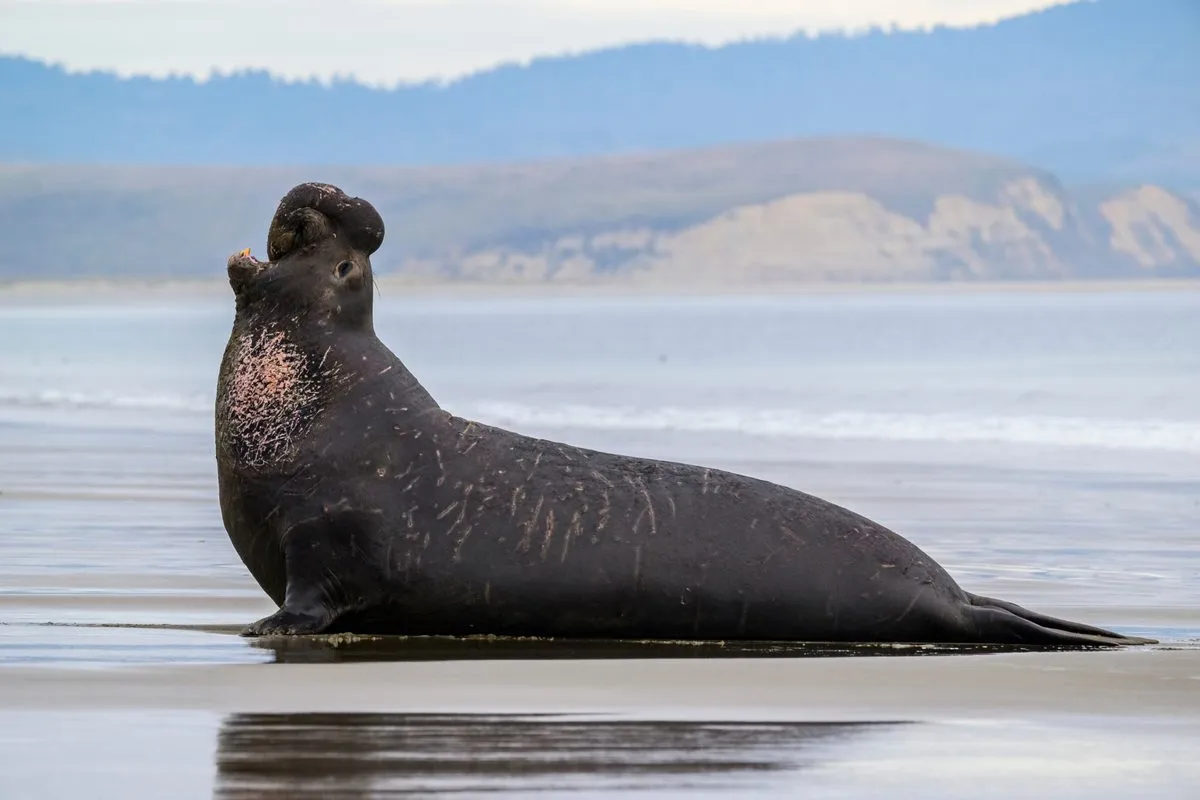
Beneath the waves live all sorts of noisy animals. Many use sounds to communicate with each other or as a form of echolocation, and for some the noises they make are a side effect of the way they hunt. Sperm whales use powerful clicks to find prey in the dark - Photo Credit: Getty
BBC Science Focus Magazine·

Science
[Talk] Yue Du and Nathan Lally — Data Science in Insurance: Connecting Statistical Methods, AI, and Industry Applications - The University of Rhode Island
AbstractIn this seminar, we will share what data science looks like in practice at Munich Re and HSB and how the skills students develop in statistics and computer science translate into industry applications. We will introduce Munich Re and HSB, discuss the role of data scientists within the organization, and walk through two example projects: a risk modeling application using conditional density modeling and a GenAI use case in the insurance domain. We will also share information about our 2027 Data Science Internship Program. BiosYue Du, Senior Data Scientist, HSBHer current work focuses on developing and implementing statistical and ML models, and AI applications in cyber insurance and market research.
The University of Rhode Island·
Science
Archaeologists Uncover Unprecedented Evidence of Neanderthal Woodworking Skills - ScienceAlert
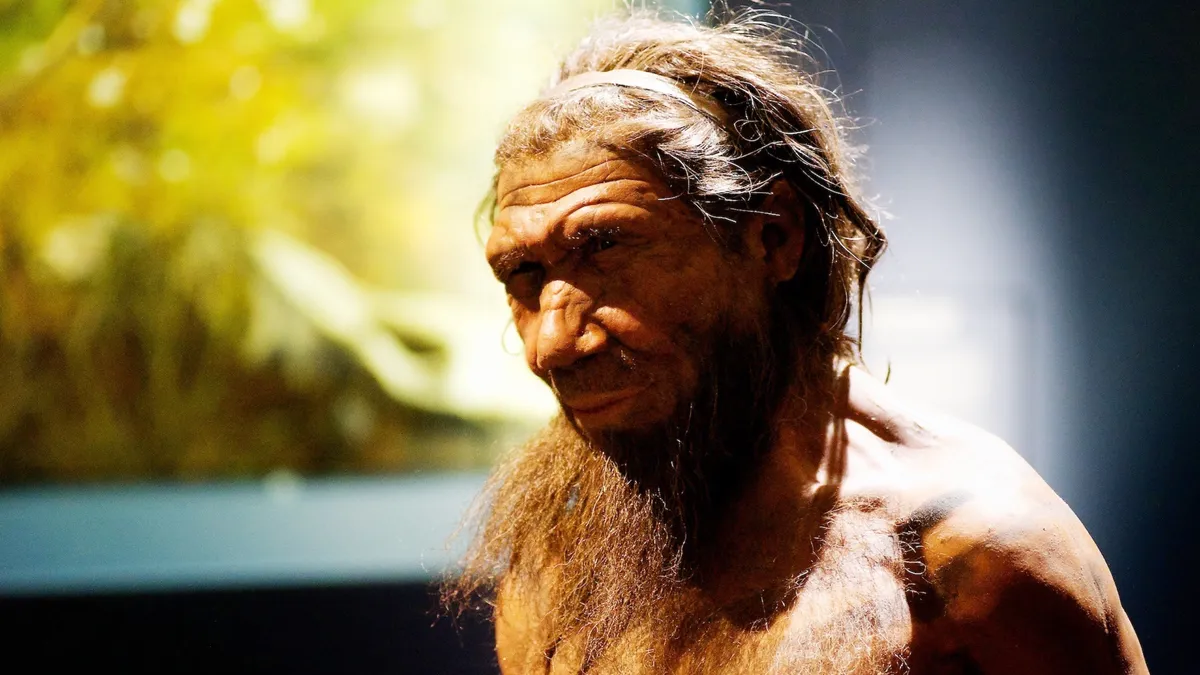
We Homo sapiens are pretty damn proud of our tool-making prowess. From smartphones to the humble-yet-mighty wheel, our ability to craft objects to help us attain our goals is something that we've often thought defines us as a species. But tens of thousands of years ago, Homo sapiens were not the only humans with a wide arsenal of tools. In a recent dig at a significant Neanderthal site in Barcelona, Abric Romaní, archaeologists have unearthed a massive cache of wood imprints, several of which appear to be tools. The findings, recently published in Science Advances, suggest our extinct Paleolithic relatives were actually skilled and prolific woodworkers. Of the 597 wood imprints the team discovered, 13 are clearly modified tools and other domestic objects. One of the most exciting objects identified was a wooden club, which seems to have been deliberately shaped for whacking stuff. It's reminiscent of the classic 'caveman' costume prop, but archaeologists have never actually seen anything like it in the prehistoric record. Photograph of the club-shaped impression. (M. D.
ScienceAlert·

Science
'Walter L.' - How to shoot a fiction film based on social science research? - Sciences Po
(credits: Distributor Lemonade Films)In-person event organised as part of the "The Arts, Humanities and International Research" seminar, co-organised with the Centre for European Studies and Comparative Politics (CEE). The haulage company LKW Kovacs, where truck driver Walter works, is being digitalized. Soon worlds and world views collide. By spontaneously changing his route on the day of his daughter Jenny’s football final, Walter makes a fatal decision. With their short fiction film Walter L., which brings working-class political experiences to the screen, social scientist Paulus Wagner and film director Barbara Wolfram have sought to transform material and results from social science research into a work of fiction. The film draws on Paulus Wagner's PhD thesis at Sciences Po, which explored the links between workplace experience and the appeal for right-wing populism. The biographical interviews he conducted with manual workers in Austria and Germany inspired the film, which came out of the project Building Bridges in Polarized Societies at Film Academy Vienna / mdw, funded by the City of Vienna. Barbara.
Sciences Po·

Science
Why you've probably been thinking about narcolepsy all wrong - The Guardian
The sleep disorder has been the butt of jokes and a comedic plot point, but the reality of living with narcolepsy is anything but funny. Things could be about to change for people with the condition though, after the US Food and Drug Administration (FDA) approved the first ever drug to treat narcolepsy itself, rather than just its symptoms. Madeleine Finlay tells Ian Sample how the scientific breakthrough came about, and Julie Flygare, who has narcolepsy and founded the non-profit Project Sleep, explains what it is like to live with the condition and how the drug could be gamechanger
The Guardian·

Science
Intel Corporation $INTC Shares Bought by Wealth Science Advisors LLC - MarketBeat
Wealth Science Advisors LLC increased its holdings in shares of Intel Corporation (NASDAQ:INTC - Free Report) by 50.7% during the 3rd quarter, according to its most recent filing with the Securities and Exchange Commission (SEC). The institutional investor owned 20,633 shares of the chip maker's stock after purchasing an additional 6,938 shares during the period. Intel makes up 1.1% of Wealth Science Advisors LLC's portfolio, making the stock its 18th biggest position. Wealth Science Advisors LLC's holdings in Intel were worth $2,481,000 as of its most recent SEC filing. Q3 Earnings Could Blow Past Consensus—Be Ready for What Comes NextOther institutional investors and hedge funds have also modified their holdings of the company. Southern Financial Group LLC raised its holdings in Intel by 0.6% during the 1st quarter. Southern Financial Group LLC now owns 14,313 shares of the chip maker's stock worth $632,000 after buying an additional 90 shares during the period. Harrell Investment Partners LLC boosted its holdings in shares of Intel by 0.4% in the second quarter.
MarketBeat·
Science
One unique human body part that evolution cannot explain - The Independent
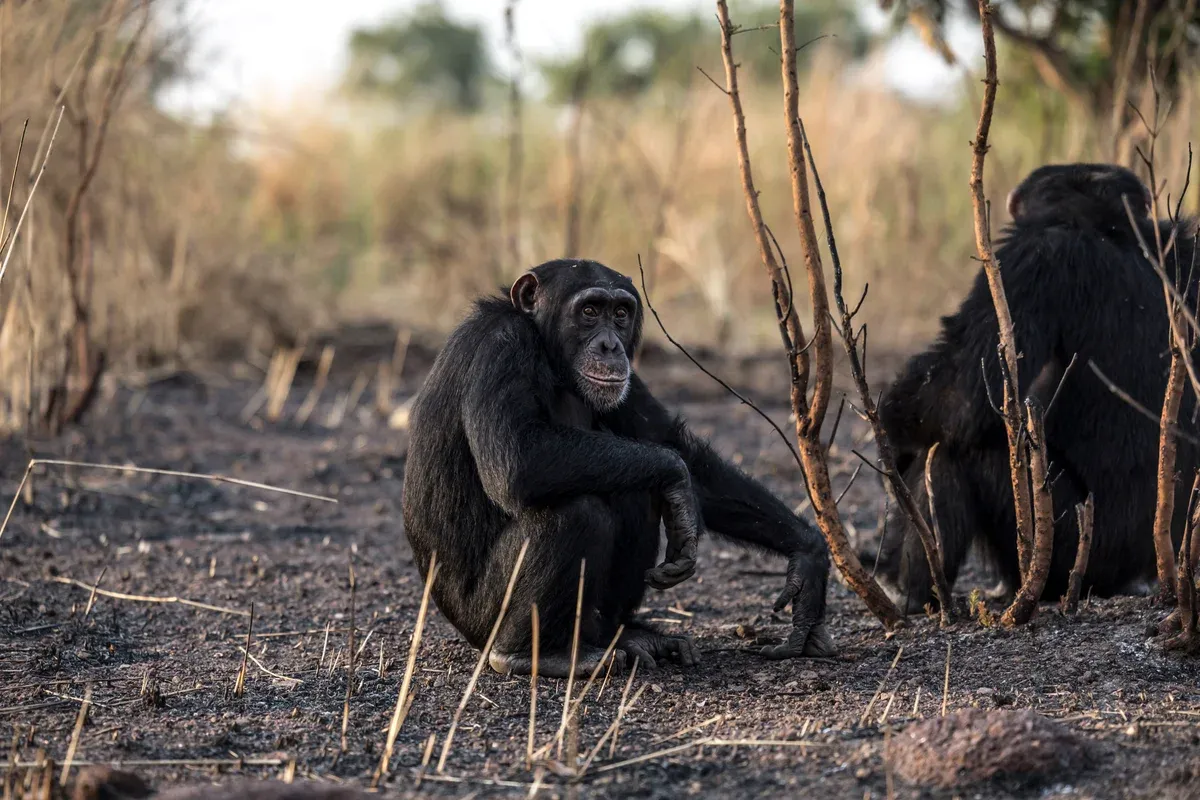
The human body is a machine whose many parts – from the microscopic details of our cells to our limbs, eyes, liver and brain – have been assembled in fits and starts over the four billion years of our history. But scientists are still puzzling over why we evolved into this particular form. Why do humans uniquely have a chin, for example? And why, relative to body weight, is a human testicle triple the size of a gorilla’s but a fifth of that of a chimpanzee? As I show in my new book, The Tree of Life, we are still searching for the answers to many of these “why” questions. But we are starting to find answers to some of them. The story of evolution tells us how, starting from simple beginnings, each species was built, when each of the components that make a living creature was added to its blueprint. If we climb the evolutionary tree of life, we can follow a twisting path that visits the increasingly specialised branches that a species belongs to. We humans, for example, were animals before we became vertebrates; mammals before evolving into primates and so on. The groups of species we share each of these branches with reveal the order our body parts appeared.
The Independent·