Categories
Science
12436 articles
Science
Film Review: 'Ray Gunn' is a Visually Rich and Surprisingly Effective Science Fiction Neo Noir from Brad Bird - Awards Radar
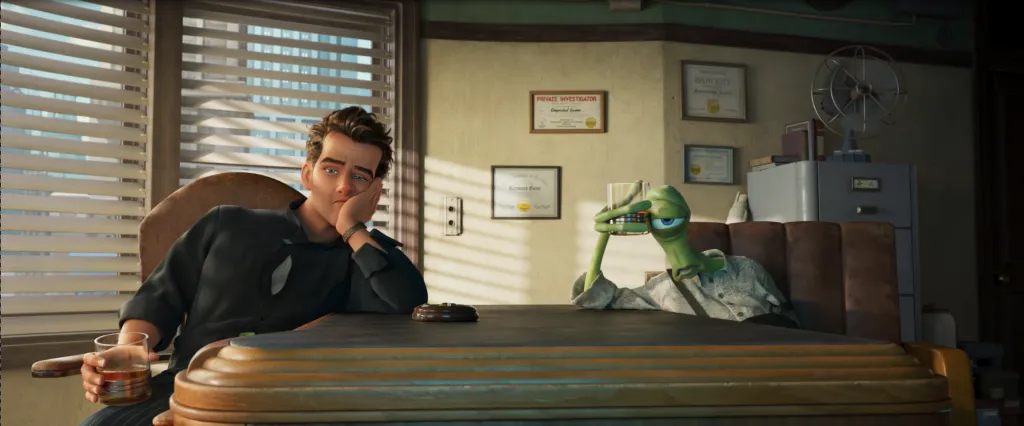
It has taken literally decades for Brad Bird to make Ray Gunn. First developed by Bird in the 1990s, even before The Iron Giant, the animated film is finally coming out this year, having bounced around in Bird’s mind for most of his professional life. You see that immediately, too, as the movie is densely packed with ideas and visuals, some of which clearly have been there from the first brainstorming sessions, while others have been added along the way. It’s a bit too long and sometimes a bit busy for its own good, but this one really hooked me in a way I wasn’t expected. Ray Gunn is a fun science fiction adventure that also functions as a pretty high level film noir. Mixing sci-fi and noir is clever, as is the racial element that’s depicted here in regards to aliens and humans. Bird takes advantage of not having to exclusively make this for children in order to follow a lot of the beats of a neo noir. It’s not strictly adult fare, to be sure, but there is an actual body count and stakes here.
Awards Radar·

Science
Contest panel (IMAGE) - EurekAlert!
Competing finalists speak in a panel moderated by Jane Wigginton, MD, at the 2026 Friends of BrainHealth Scientist Selection Luncheon compete for the Audience Choice award, with the in-person audience voting on novel brain health research projects designed to compete for multimillion-dollar state grants from the Dementia Prevention and Research Institute of Texas (DPRIT). Credit must be given to the creator. No derivatives or adaptations of the work are permitted.
EurekAlert!·
Science
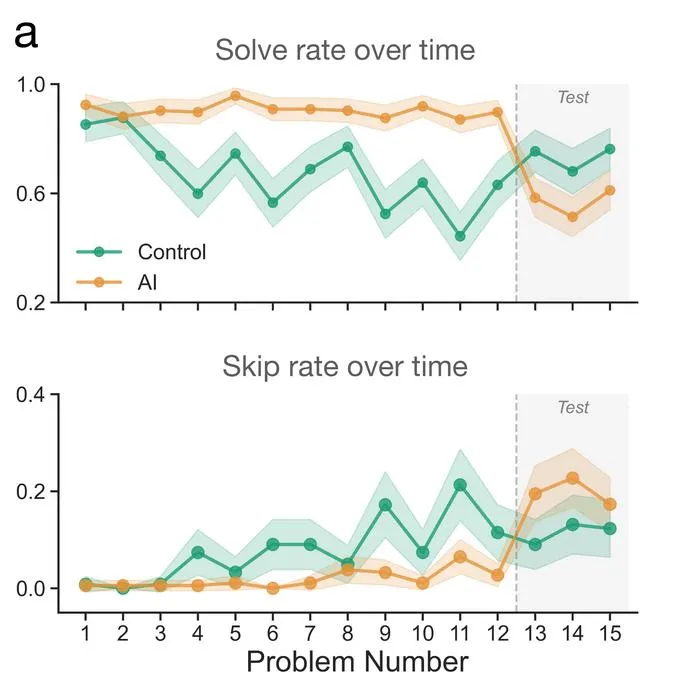
How AI use erodes ability to persist on difficult tasks (IMAGE) - EurekAlert! Science News Releases
There was a significant drop-off in the solve rate for the group that had access to an AI tool, represented by the orange line, after the tool was removed. There was also a sharp increase in the rate at which participants skipped questions, shown in the lower graph. Disclaimer: AAAS and EurekAlert! are not responsible for the accuracy of news releases posted to EurekAlert! by contributing institutions or for the use of any information through the EurekAlert system.
EurekAlert! Science News Releases·
Science
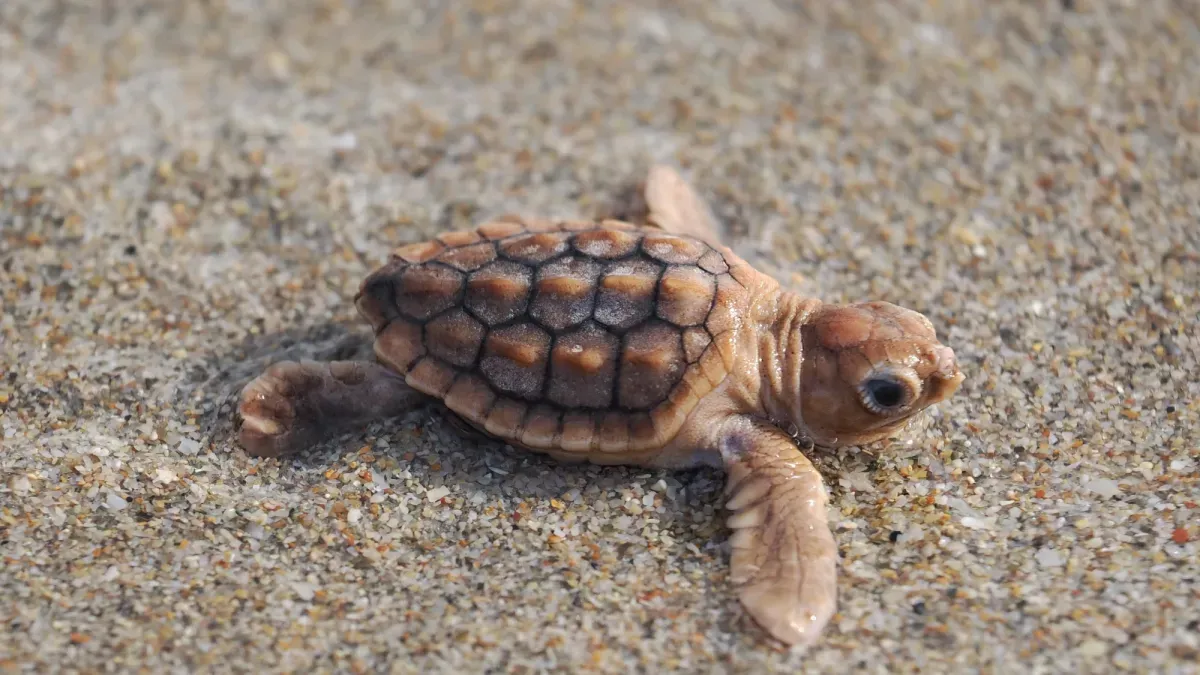
Rare ‘pumpkin spice’ baby sea turtle spotted in Florida - Popular Science
The orange color is cute and festive, but bad for camouflage. While fall officially began only a few weeks ago, many of us have come to expect pumpkins and Halloween decorations in stores as early as August. And this year, an adorable baby turtle joined in on the early autumnal festivities.
Popular Science·
Science
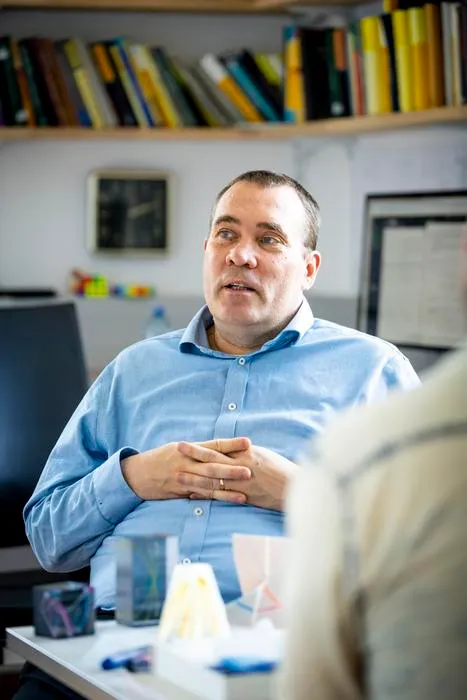
ISTA Professor Tamás Hausel secures computational support for AI-assisted mathematics research - EurekAlert!
With the Project Numina Fellowship, ISTA Professor Tamás Hausel and his group will develop “Project Sandbox,” a controlled digital research environment where human mathematicians and AI agents build, compute, prove, and collaborate at the frontier of mathematical knowledge. Disclaimer: AAAS and EurekAlert! are not responsible for the accuracy of news releases posted to EurekAlert! by contributing institutions or for the use of any information through the EurekAlert system.
EurekAlert!·
Science
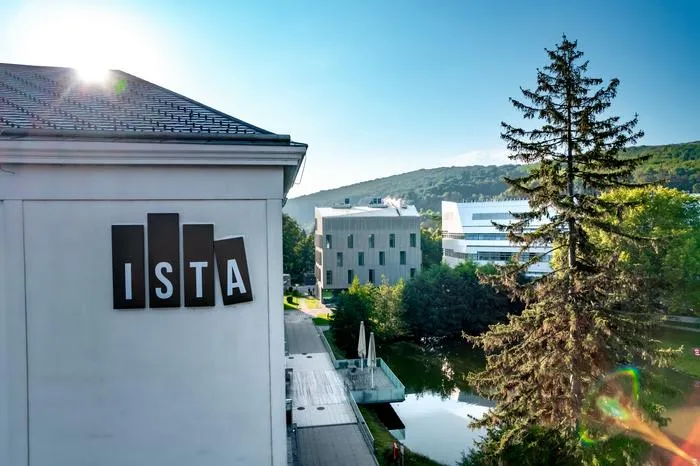
The Institute of Science and Technology Austria (ISTA) (IMAGE) - EurekAlert!
The Institute of Science and Technology Austria (ISTA) is an international research hub located in Klosterneuburg near the Austrian capital of Vienna. For use with this release or when reporting about ISTA.
EurekAlert!·

Science
'Joyce,' a young Filipino mother and student (IMAGE) - EurekAlert! Science News Releases
“Joyce” holds her child in a photograph titled, “Hindi hadlang ang pagiging ina sa pag-aaral” (”Motherhood is not an obstacle to studying”), reflecting her experiences of pursuing her education while raising a child. “Joyce” / Capulong et al., 2026, Journal of Research on Adolescence
EurekAlert! Science News Releases·
Science
Iceland will tunnel into a volcano to tap into virtually unlimited geothermal power - ZME Science
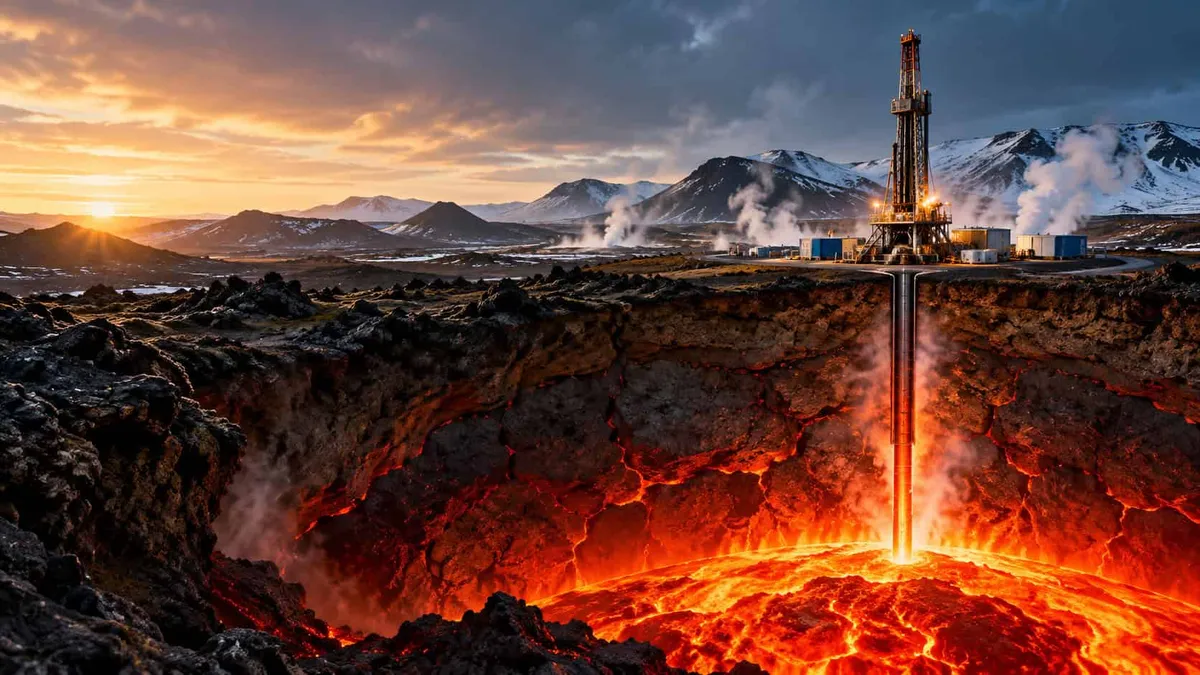
An AI-generated image illustrating the concept of a geothermal plant drilling into a volcano’s magma chamber. An initiative that sounds a lot like Jules Verne‘s Journey to the Center of the Earth could open a new frontier in geothermal energy by deliberately drilling into magma, the molten rock beneath Earth’s surface.
ZME Science·
Science
For The First Time Ever, Quantum Spins Shift a Centimeter-Scale Object - ScienceAlert
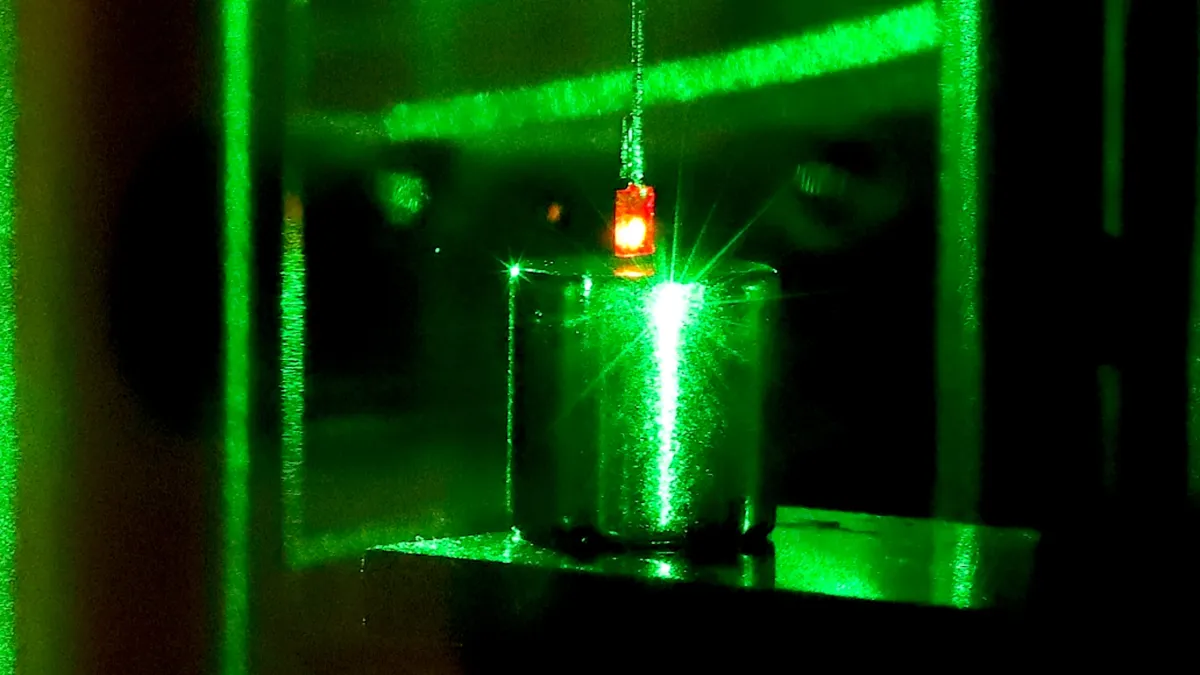
There's another notable first in the field of quantum physics to report on, and it's all to do with electron spin: the tiny, built-in magnetism of these particles, as if each one is carrying a microscopic compass needle. Previously, the force of these spins has only proved enough to nudge individual atoms in one direction or another. Now though, researchers have managed to shift something much, much bigger. A team from the Okinawa Institute of Science and Technology (OIST) in Japan has published a new study in Science Advances that details how a centimeter-sized object can be nudged by these quantum forces. It's an important step forward for science at the boundary of the quantum (very small scales) and the classical (everything else). Crucially, the experiment deals with an object big enough to be subject to gravity – a fundamental force that hasn't always sat well with the theories of quantum physics. "There have been many efforts to test whether quantum mechanics holds for anything larger than a few tens of nanometers, so far without success," says theoretical physicist Jason Twamley.
ScienceAlert·
Science
Scientists identify the neuroblastoma cells that signal poor outcomes - News-Medical
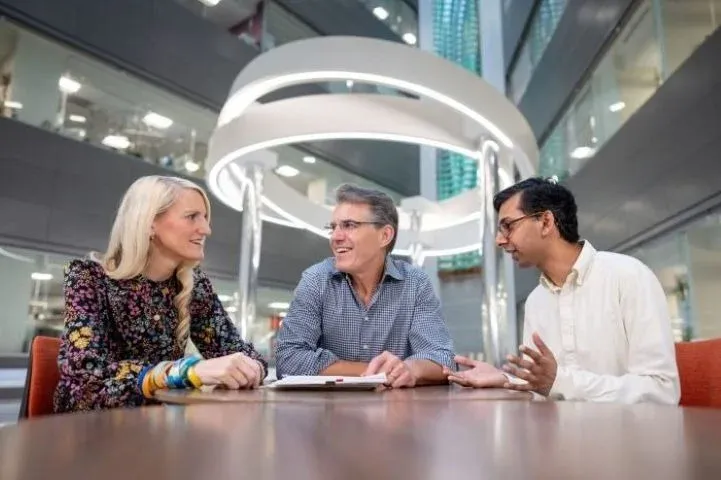
Neuroblastoma is the most common solid tumor found outside of the brain in children, yet why some children respond well to treatment while others do not has remained poorly understood. St. Jude Children’s Research Hospital scientists and their collaborators built one of the most comprehensive datasets of neuroblastoma cells to date, using it to define the tumor’s cell types and identify a gene signature marking a malignant cell population tied to poor prognosis. The team also created patient-derived models that capture this population, which older laboratory cell lines had missed. The findings, published today in Cancer Cell, give researchers a new framework and a set of tools to study high-risk neuroblastoma. Co-corresponding authors Elizabeth Stewart, MD, St. Jude Department of Oncology, Michael Dyer, PhD, St. Jude Department of Developmental Neurobiology chair, and first author Anand Patel, MD, PhD, St. Jude Department of Oncology. Image Credit: St. Jude Children's Research Hospital
News-Medical·
Science
Scientists calculate how much information exists in the observable universe - The Brighter Side of News
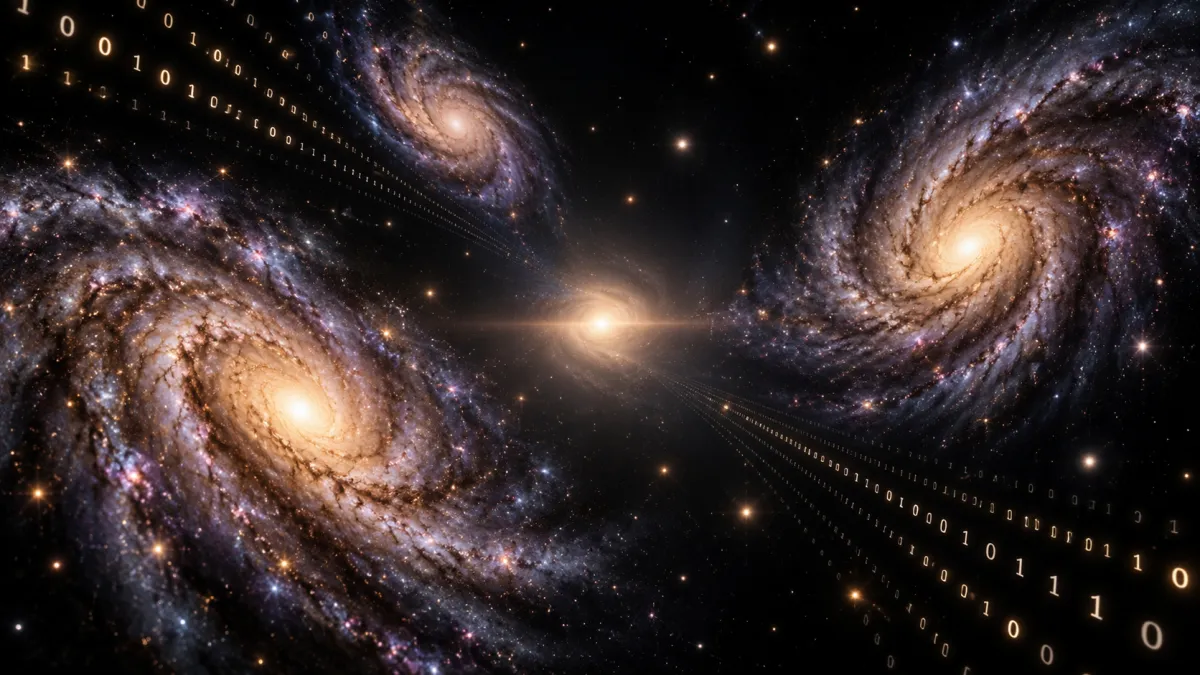
A theoretical calculation estimates roughly 6 × 10⁸⁰ bits of information in selected ordinary-matter particles across the observable universe. The model applies Shannon information theory, assigning an average of 1.509 bits to the particle categories it considers. The study excludes several components and does not establish that information is a new state of matter. An electron’s mass, charge and spin help distinguish it from other particles. Those identifying properties also raise a question: could matter itself be treated as a store of information, and could its information content be counted? The calculation offers one approach to a longstanding problem, rather than a measurement of everything the universe contains. Its result depends on how information is defined, which particles are counted and assumptions about where information can reside. Dr. Melvin Vopson of the University of Portsmouth's School of Mathematics and Physics. (CREDIT: University of Portsmouth) An information count built from particle identityMeasuring an electron’s characteristic properties allows an observer to identify it.
The Brighter Side of News·

Science
According to Science, People Who Use Emojis in Texts Have Higher Emotional Intelligence - Grazia
thinking. A thumbs-up after confirming dinner plans, a laughing face to soften a sarcastic remark, a heart slipped into a goodnight
Grazia·
Science
Art of Science: The Shape of Things to Come - Walter and Eliza Hall Institute of Medical Research
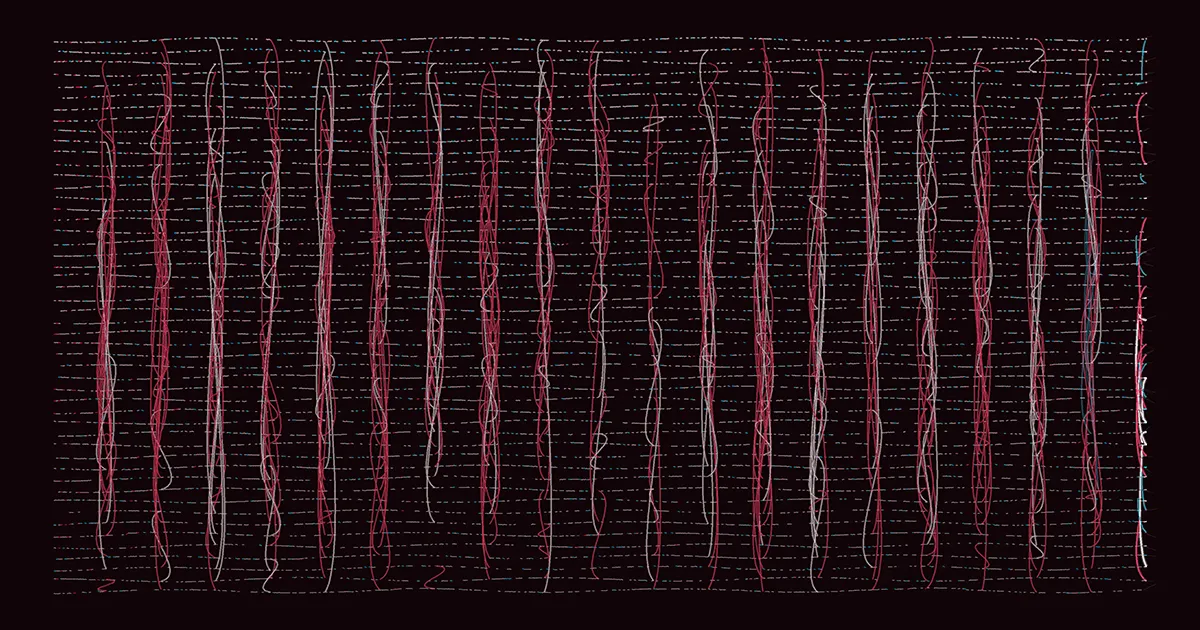
At first glance, these delicate lines resemble the threads of an unfinished tapestry, capturing a process still unfolding. Here, the weave tells a story of innovation, as powerful computational tools help scientists search for the therapies of tomorrow. Jerry’s artwork reveals the hidden design process behind next-generation nanobodies – tiny antibody-like molecules derived from alpacas and other camelids, that can be adapted to recognise disease-causing viruses.
Walter and Eliza Hall Institute of Medical Research·
Science
ISTA Professor Tamás Hausel secures computational support for AI-assisted mathematics research - EurekAlert!
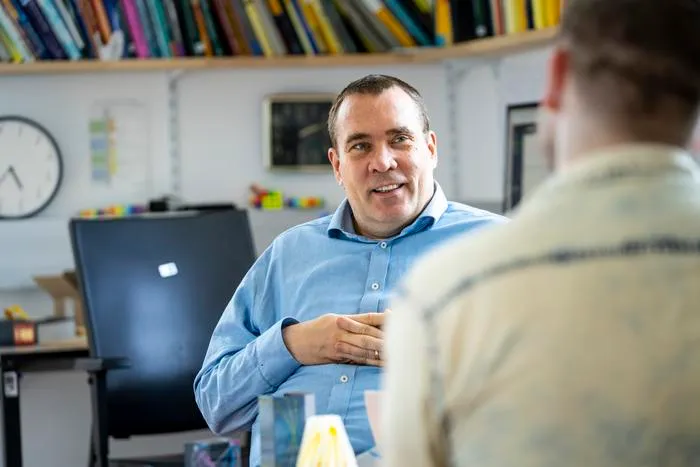
The Project Numina Fellowship received by ISTA Professor Tamás Hausel supports scientists in accelerating their research with AI tools designed for mathematical reasoning. Disclaimer: AAAS and EurekAlert! are not responsible for the accuracy of news releases posted to EurekAlert! by contributing institutions or for the use of any information through the EurekAlert system.
EurekAlert!·
Science
University of Alberta researchers find evidence raptor may have fed on apex predator - Global News
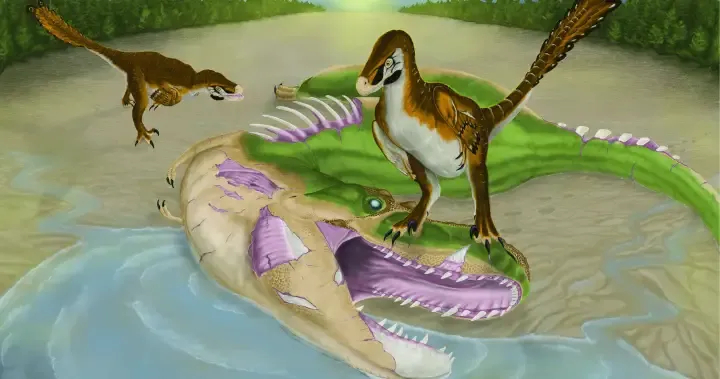
Researchers at the University of Alberta say they have discovered what could be the first evidence of a small raptor feeding on a much larger tyrannosaur — offering a glimpse into the feeding habits of dinosaurs millions of years ago. The discovery centers on unusual bite marks found on the jawbone of an Albertosaurus — an apex predator related to Tyrannosaurus rex that lived in what is now Alberta during the Late Cretaceous period. A study by U of A paleontology master’s student Joshua Doyon found the most likely explanation is that an eight-year-old Albertosaurus died of unknown causes and was fed on shortly afterward by a dromaeosaurid, or raptor. The study describes the marks as the first evidence of a raptor feeding or scavenging on a tyrannosaur.
Global News·