BBlogFlow

Categories

Science

5416 articles

Science

Brown adipose tissue ankyrin-B cell-autonomously modulates lipid content and its deletion protects male mice against diet-induced obesity - Nature

AcknowledgementsThe authors thank Dr. Joseph Baur, Dr. Khanh V. Doan, Dr. Sarmistha Mukherjee, and Ricardo A. Velázquez Aponte (University of Pennsylvania) for assistance with high-resolution respirometry. We also thank Dr. Saame Shaikh; Traci Davis (Genomics and Energy Metabolism Core, University of North Carolina at Chapel Hill Nutrition and Obesity Research Center [UNC-CH NORC]); Dr. Corey Holman (University of Pennsylvania Rodent Metabolic Phenotyping Core [RMPC], RRID: SCR_022427); and Dr. John Millar (University of Pennsylvania Metabolic Tracer Resource) for assistance with body composition analysis, indirect calorimetry, tracer infusions, and metabolic tracer studies. We further thank Dr. Andrea Stout (University of Pennsylvania Cell and Developmental Biology Microscopy Core, RRID: SCR_022373) for assistance with widefield image acquisition; Dr. Pablo Ariel and Kristen White (UNC-CH Microscopy Services Laboratory) for TEM sample preparation; and Dr. Patrick Seale (University of Pennsylvania), Dr. Anastasia Kralli (Johns Hopkins University), and Dr. Beverly Koller (UNC-CH) for sharing protocols and for helpful discussions. FundingA. M. A. was supported by NIH grant no.
Nature·
Science

Permeability heterogeneity controls fluid migration and microseismicity evolution in The Geysers geothermal field, California - Nature

We’re sharing this article early to provide faster access to peer-reviewed, accepted research. It is citable and carries a permanent DOI. This version is subject to further edits and will be replaced automatically by the final Version of Record. All legal disclaimers apply. AbstractFracture networks directly govern the efficiency of geothermal energy extraction and play a critical role in fluid migration and microearthquake generation. Using deep learning and Markov clustering, we build a high-resolution microseismic catalog covering the past decade for The Geysers geothermal field, California. Our observations reveal distinctive clustering patterns and inferred fracture systems tightly correlated with injection operations. Source mechanism analyses and pore pressure simulations indicate that the inferred connected fracture network provides pathways for rapid and directional pore pressure diffusion, highlighting that heterogeneous permeability controls the localized migration of fluids and the associated microseismic response.

Nature·
Science

Stanford’s new microscope reveals living cells like never before - Science Daily

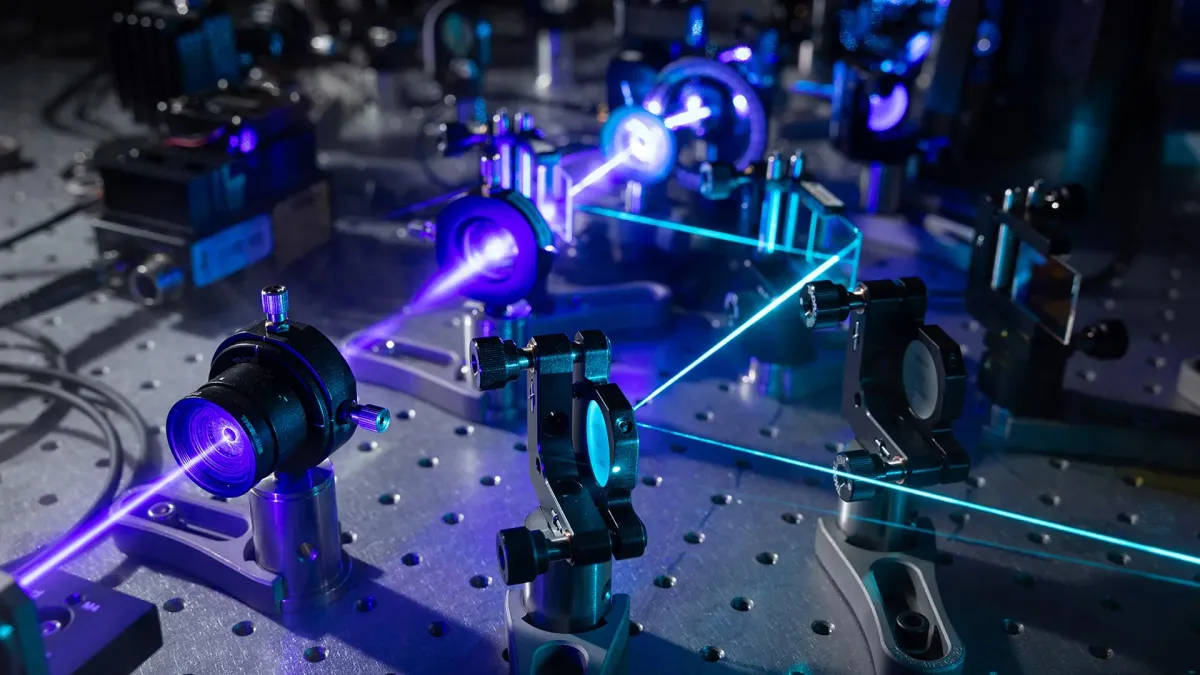
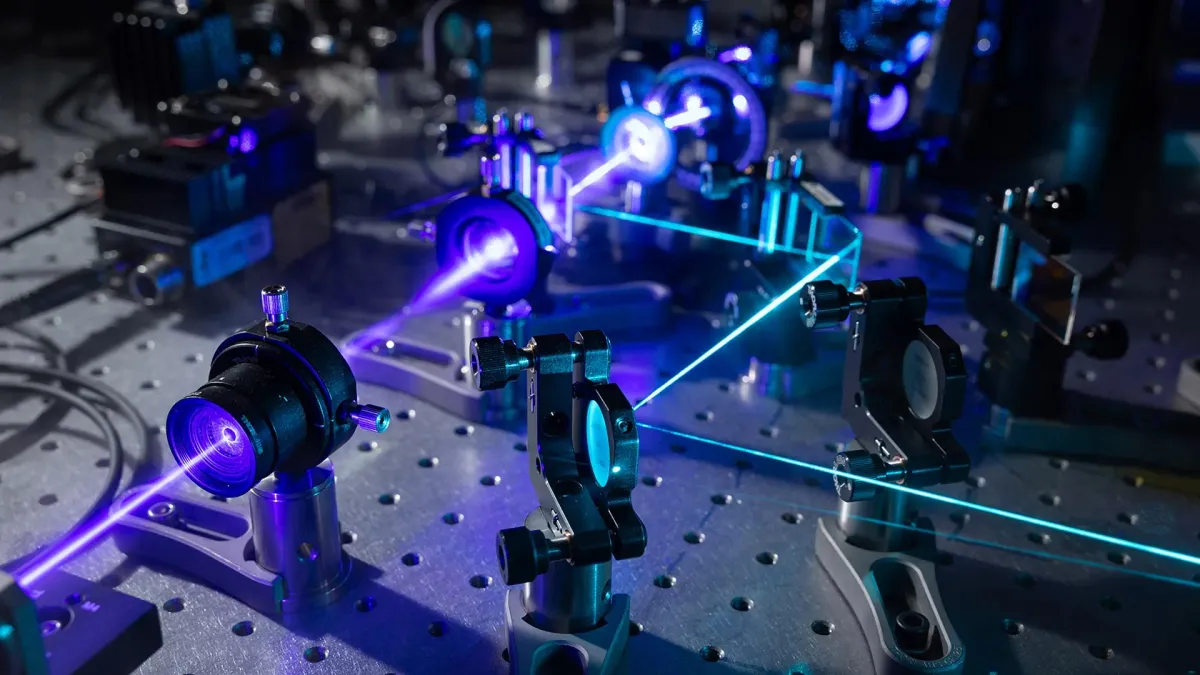
A new microscope developed at Stanford University allows scientists to watch the tiny structures inside living cells move and interact in real time, providing an exceptionally detailed view without the fluorescent labels typically used to make these structures visible. Researchers at Stanford have created a powerful new imaging system that reveals the inner workings of living cells with remarkable clarity. By combining two advanced microscopy techniques, the instrument achieves a resolution of approximately 120 nanometers, an unprecedented level of detail for an approach that does not require fluorescent labels.

Science Daily·
Science

Stanford’s new microscope reveals living cells like never before - Science Daily

A new microscope developed at Stanford University allows scientists to watch the tiny structures inside living cells move and interact in real time, providing an exceptionally detailed view without the fluorescent labels typically used to make these structures visible. Researchers at Stanford have created a powerful new imaging system that reveals the inner workings of living cells with remarkable clarity. By combining two advanced microscopy techniques, the instrument achieves a resolution of approximately 120 nanometers, an unprecedented level of detail for an approach that does not require fluorescent labels.

Science Daily·
Science

SpaceX just delivered some very strange cargo to the International Space Station - Science Daily

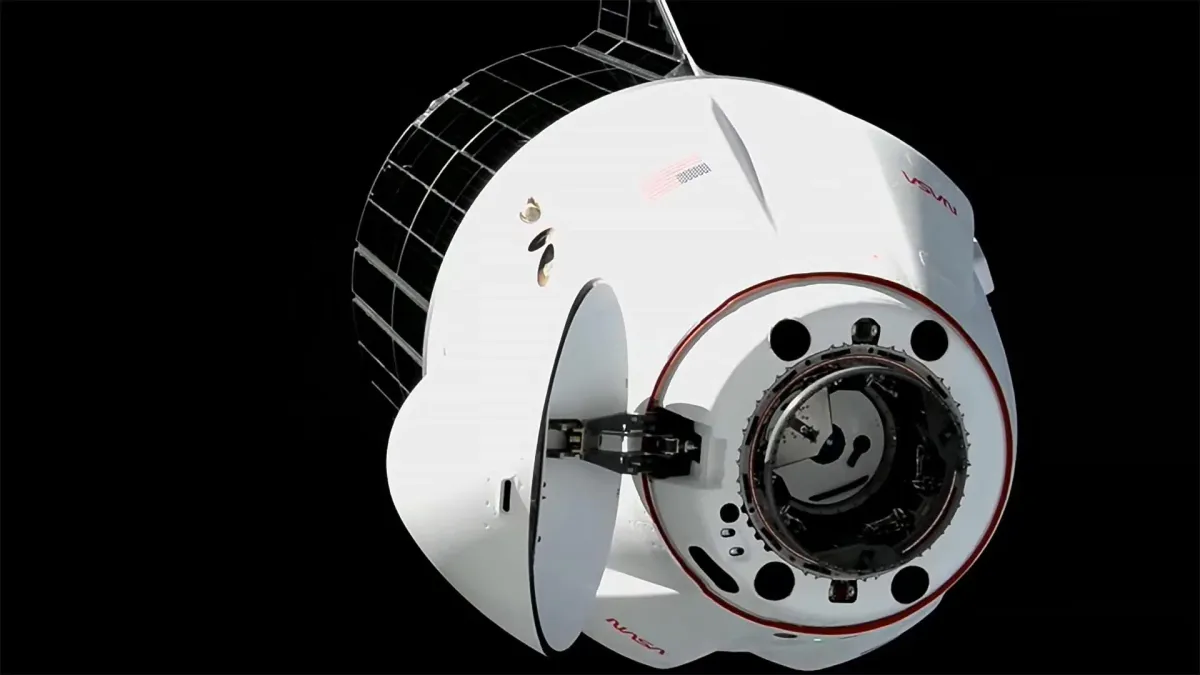
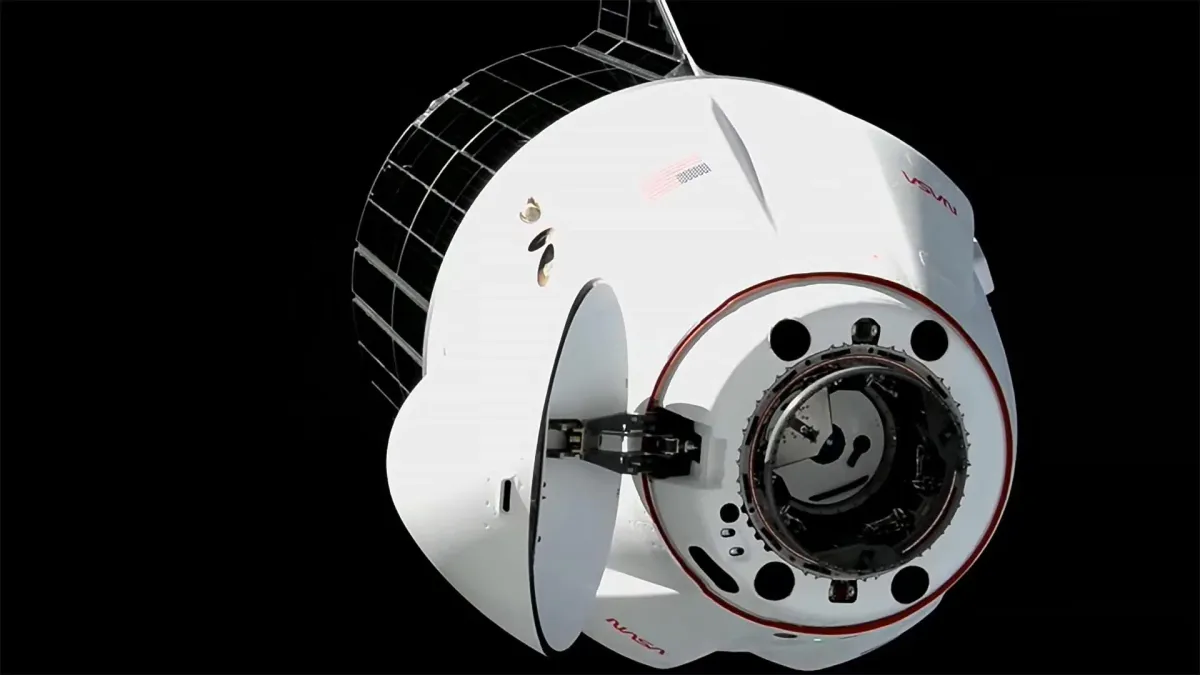
SpaceX's Dragon spacecraft arrived at the International Space Station at 10:27 a.m. EDT on October 15, docking at the space-facing port of the station's Harmony module. The spacecraft delivered more than 6,300 pounds of food, essential supplies, and scientific equipment for the Expedition 75 crew. The arrival marks SpaceX's 35th commercial resupply mission to the orbiting laboratory under its contract with NASA. Along with everyday necessities for the astronauts, Dragon brought an unusual collection of scientific experiments that could help researchers develop new medical treatments and better understand how materials behave in space.

Science Daily·
Science

SpaceX just delivered some very strange cargo to the International Space Station - Science Daily

SpaceX's Dragon spacecraft arrived at the International Space Station at 10:27 a.m. EDT on October 15, docking at the space-facing port of the station's Harmony module. The spacecraft delivered more than 6,300 pounds of food, essential supplies, and scientific equipment for the Expedition 75 crew. The arrival marks SpaceX's 35th commercial resupply mission to the orbiting laboratory under its contract with NASA. Along with everyday necessities for the astronauts, Dragon brought an unusual collection of scientific experiments that could help researchers develop new medical treatments and better understand how materials behave in space.

Science Daily·
Science

James Webb reveals a strange bulge in an alien planet's atmosphere - Science Daily

Astronomers have long depicted distant exoplanets with smooth, circular outlines. But new observations reveal that the atmospheres surrounding some of these scorching alien worlds can have surprisingly uneven shapes. Using NASA's James Webb Space Telescope (JWST), researchers have discovered that the atmosphere of WASP-17b, a giant planet roughly 1,300 light-years from Earth, extends farther outward on one side than the other. Although its overall outline remains approximately circular, its atmosphere is noticeably asymmetrical. The distortion provides new evidence of how extreme temperatures and powerful winds reshape the atmospheres of distant planets.

Science Daily·
Science

Deleted AI Chats May Leave Clues Behind | Newswise - Newswise

Newswise — Deleting a conversation with an artificial intelligence (AI) assistant may not erase everything the assistant remembers. Georgia Tech researchers have developed a tool that can recover deleted conversations from AI assistants running on Android phones. The tool, called ORISA, can also rebuild the recovered information into a working AI session. The findings show that deleting an AI conversation on a phone does not necessarily mean it removes every trace. The research could give digital investigators a new way to recover information from phones. It also raises privacy concerns for people who use AI assistants that run locally on their devices. Local AI assistants run directly on a phone rather than sending conversations to a cloud service. While the local assistant is running, information from conversations can remain in the phone’s working memory even after it is deleted. ORISA searches this memory for pieces of deleted conversations. In one experiment, researchers created a fictional AI assistant called “Project Note Keeper” using the ChatterUI Android app. They gave it 100 fictional facts about a project, then deleted the conversation.

Newswise·
Science

New family of octocorals discovered near Costa Rica — ScienceAlert - UA.NEWS

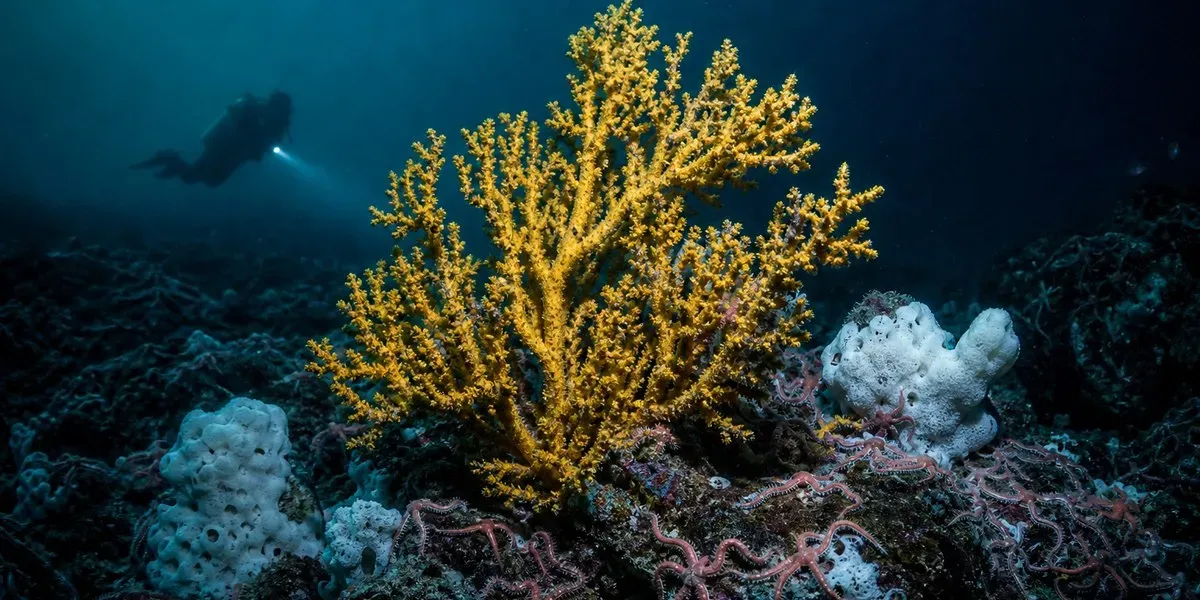
On a seamount off the coast of Costa Rica, researchers described a new species of octocoral, Laurinque elenya, and established a new family for it — Laurinqueidae. The corals were found at depths of 360 to 529 meters during dives in 2019 and 2023, ScienceAlert reports. Unusual colony structureColonies of this coral grow to more than one meter in height and up to 1.2 meters in width. They have a densely branching structure covered with unusually elongated polyps — the small animals that make up a coral colony. The polyps can partially retract into the branches, while the sclerites — the coral’s microscopic skeletal structures — are distinguished by a range of shapes. Such a combination of features had not previously been recorded in a single species of octocoral. The new taxon was named Laurinque elenya; the name comes from Tolkien’s Elvish language Quenya and means “golden tree of stars.” The golden coral branches grow above a bottom almost completely covered with pink brittle stars. More current news is available on the UA. News Telegram channel Telegram. Genetic analysis determined the familyInitially, an analysis of three genetic markers did not produce an unambiguous result.

UA.NEWS·
Science

Astronomers identify 2% threshold for delayed black hole jets — ScienceDaily - UA.NEWS

Astronomers have found that supermassive black holes can launch delayed jets of matter when their rate of matter accretion falls to about 2% of the Eddington limit. The same relative threshold was previously associated with jet formation in much smaller black holes in the Milky Way, ScienceDaily reports. The study’s results were published in Nature Astronomy. The work was led by astrophysicist Adele Goodwin of the Curtin University node of the International Centre for Radio Astronomy Research, together with Andrew Mummery of the Institute for Advanced Study in Princeton. The scientists studied why, after a star is destroyed by a supermassive black hole, a radio jet sometimes appears almost immediately and sometimes only months or years later. Data on stellar disruptionsThe researchers analyzed 20 tidal disruption events — phenomena in which a star passes too close to a supermassive black hole and is torn apart by its gravity. Part of the stellar debris falls into the black hole, temporarily increasing its feeding rate. More current news is available on the UA. News Telegram channel Telegram.

UA.NEWS·
Science

Wild Kookaburra Joins Wedding And Leaves Couple Convinced He’s Delivering A Special Message - The Dodo

“[It] was such a special thing to witness” 💖Published on Oct 16, 2026 at 5:38 PMBree and Eric Inglis were celebrating their wedding in Queensland, Australia, last week, when an uninvited guest suddenly crashed the party. To their surprise, a wild kookaburra swooped in just as the wedding was getting started and watched over the event for hours, refusing to leave until the very end. Instagram/glasshousecountryweddingsIt all started moments after the couple exchanged vows in front of their family and friends. Everyone in attendance had been formally invited, except for the kookaburra, who saw the event while flying by and decided he couldn’t miss it. “[The kookaburra] came down and landed on the festoon lighting just as cocktail hour commenced,” Alicia Evans, of Glass House Country Weddings, told The Dodo. “He stayed for the duration of the whole wedding.”Instagram/glasshousecountryweddingsThe couple and their guests were delighted by the kookaburra’s presence, admiring him as much as they could before he inevitably flew away. But they were shocked when he stayed for the entire cocktail hour and showed no signs of leaving as the reception started.

The Dodo·
Science

Japan Poised To Launch Mission To Martian Moons - Aviation Week

Concept of JAXA’s MMX spacecraft during its Mars orbit insertion, with the moon Phobos in the background. A pioneering mission to study a pair of Martian moons and return a 10-gram soil sample to Earth is being prepared for launch Oct. 19 from Japan’s Tanegashima Space Center. If successful, the Martian Moons Exploration (MMX) mission will add the first samples of Martian real estate to the world’s...

Aviation Week·
Science

Lizard Dropped Its Tail 99 Million Years Ago, Amber Preserved Evidence - Sci.News

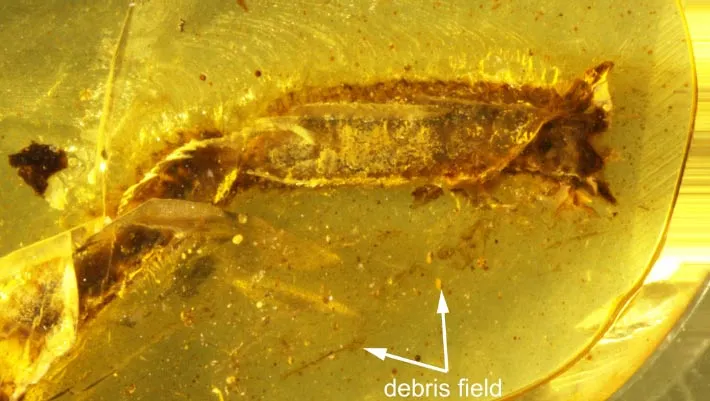
A tiny piece of amber from Myanmar has captured a defensive maneuver that lizards still use today: shedding part of their tail to escape a predator. The fossil provides direct evidence that this defensive mechanism was already in operation in mid-Cretaceous forest ecosystems. General view of the amber piece from Myanmar, arrows highlighting the debris stuck to the initial resin flow at the level of the ventral surface of the tail. Image credit: Fabrikant et al., doi: 10.26879/1706.

Sci.News·