Deleted AI Chats May Leave Clues Behind | Newswise - Newswise
This story deserves to be shared
Send it to someone who'd care, or post it on your networks.
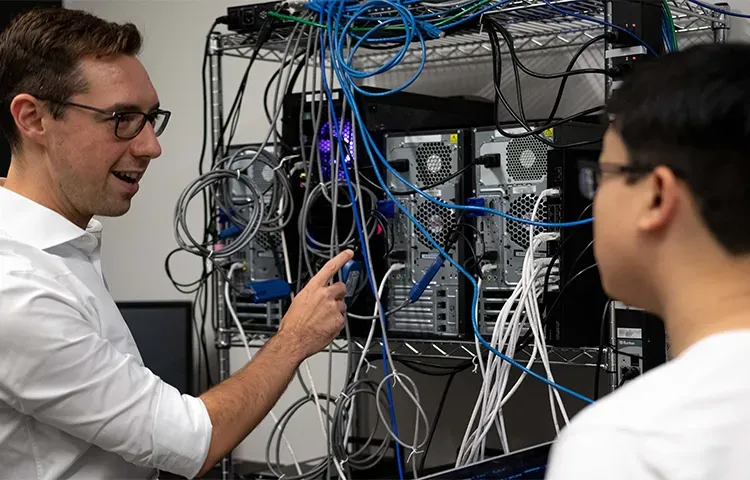
Newswise — Deleting a conversation with an artificial intelligence (AI) assistant may not erase everything the assistant remembers. Georgia Tech researchers have developed a tool that can recover deleted conversations from AI assistants running on Android phones. The tool, called ORISA, can also rebuild the recovered information into a working AI session. The findings show that deleting an AI conversation on a phone does not necessarily mean it removes every trace. The research could give digital investigators a new way to recover information from phones. It also raises privacy concerns for people who use AI assistants that run locally on their devices. Local AI assistants run directly on a phone rather than sending conversations to a cloud service. While the local assistant is running, information from conversations can remain in the phone’s working memory even after it is deleted. ORISA searches this memory for pieces of deleted conversations. In one experiment, researchers created a fictional AI assistant called “Project Note Keeper” using the ChatterUI Android app. They gave it 100 fictional facts about a project, then deleted the conversation.
This article is an excerpt. To read the full content, visit the original source. Newswise
Related articles
Virus-based tool opens a faster route to studying cowpea genes | Newswise - Newswise
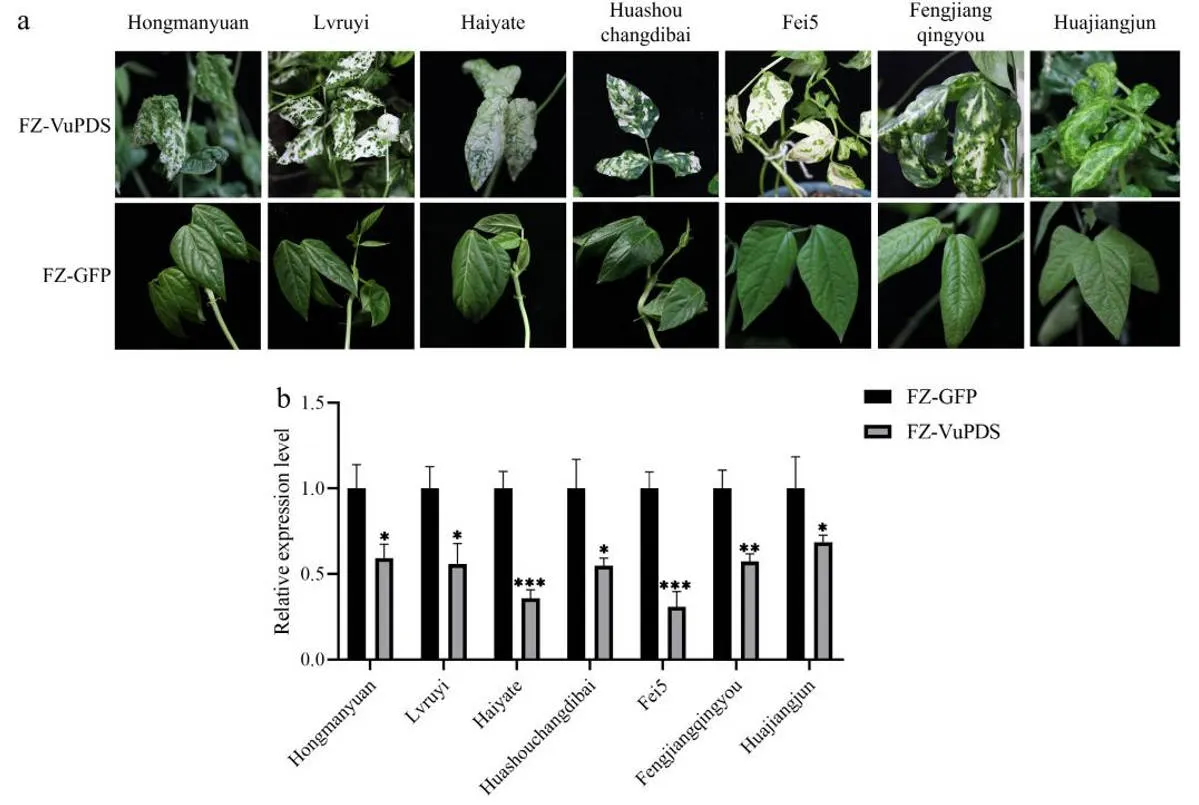
Cowpea (Vigna unguiculata) supplies dietary protein, livestock feed, and income in tropical and subtropical regions, while its nitrogen-fixing ability adds agricultural value. Genome sequencing has provided researchers with numerous candidate genes, and genetic transformation has enabled studies of traits such as drought and heat tolerance. However, stable transformation requires extensive preparation and lengthy screening, and its performance depends strongly on plant genotype. Virus-induced gene silencing offers a faster alternative by using viral vectors to trigger the plant’s own gene-silencing machinery. Yet existing approaches have performed inconsistently in cowpea, leaving researchers without a dependable, broadly applicable method for rapidly linking genes to biological functions. A study (DOI: 10.48130/tp-0026-0035) published in Tropical Plants on 08 October 2026 by Ying Zhou's team, Zhejiang University, reports sustained gene silencing across seven cowpea varieties and demonstrates the system's utility for investigating jasmonate regulation during leafminer infestation.
Mapping genetic switches behind rice seedlings’ cold response | Newswise - Newswise
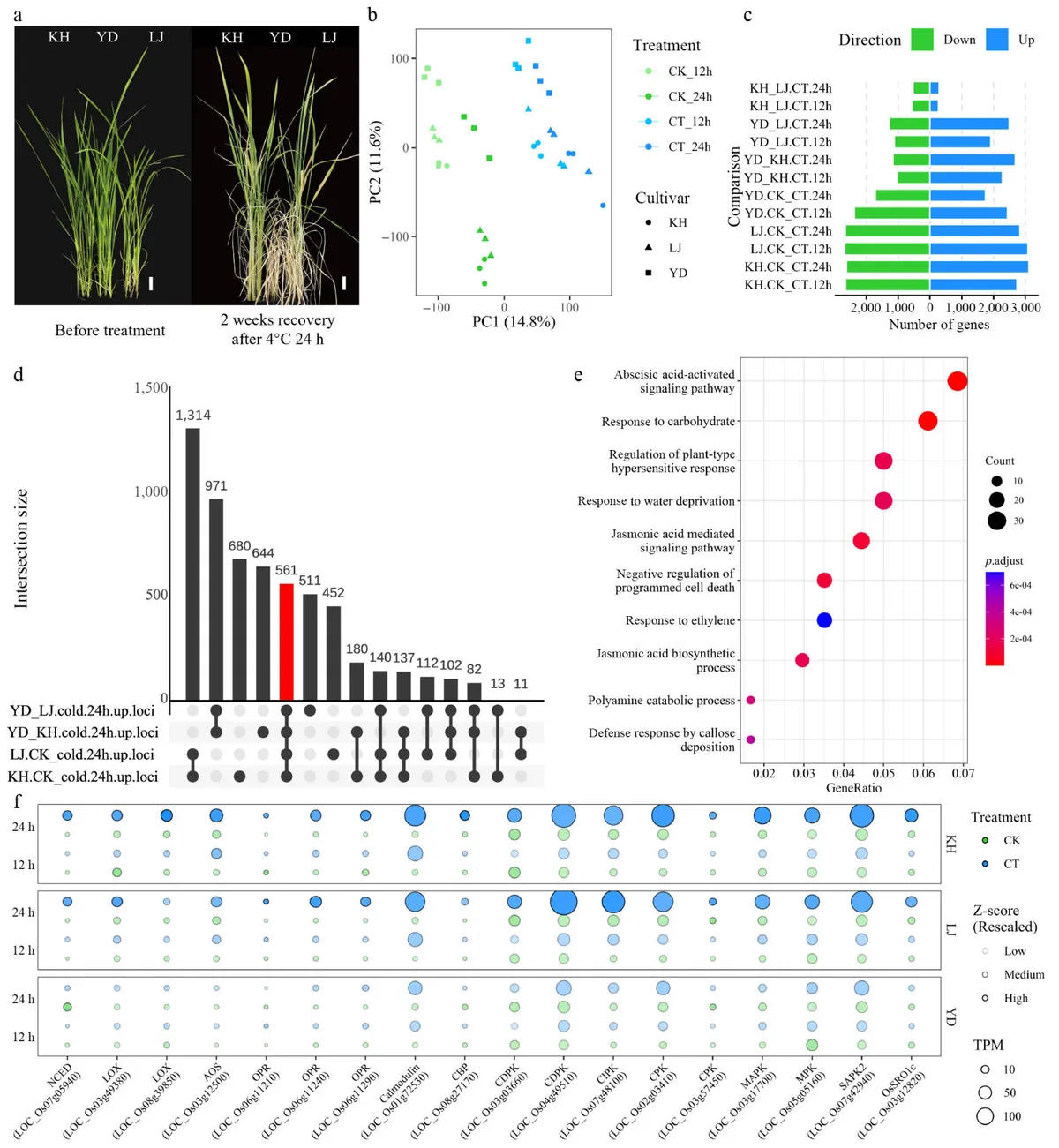
Rice originated in subtropical environments, yet its cultivation has expanded into regions where low temperatures threaten growth, development, and yield. Japonica rice generally tolerates cold better than indica rice, and researchers have linked this adaptation to changes in stress-responsive gene expression. Much attention has focused on C-repeat binding factors, a group of transcription factors that help coordinate plant cold responses. However, these proteins may directly regulate only 10%–20% of cold-regulated genes, suggesting that many other regulators operate alongside them. For numerous rice genes, the identities of those regulators and the locations of the DNA sequences they recognize remain unclear. A wider map of these interactions is therefore needed to understand cold adaptation and identify potential targets for crop improvement.

World-famous science educator Bill Nye believes in Titans: ‘You’re going to change the world’ | Newswise - Newswise
Newswise — When the first notes of the “Bill Nye the Science Guy” theme song began echoing through the Titan Student Union Portola Pavilion, students didn’t miss a beat. They sang along to the popular chorus — “Bill, Bill, Bill, Bill, Bill, Bill” — as the world-famous scientist and educator took the stage for the “Beyond the Conversation” series at Cal State Fullerton. Hosted by Associated Students Inc., the signature series invites notable speakers to campus to share their stories and spark dialogue among students. Bill Nye, who spoke to the Titan community on Oct. 7, joins a star-studded lineup of previous “Beyond the Conversation” speakers, including Olympic swimmer Michael Phelps, Oscar winner Ke Huy Quan, and Emmy and Grammy Award-winning actress Cynthia Erivo. As the co-creator and host of the Emmy Award-winning ’90s television series “Bill Nye the Science Guy,” Nye has emerged not only as an entertaining educator but also as an influential advocate for science and facts in an era of misinformation.

Deleting AI chats may not erase every trace - Futurity
Deleting a conversation with an artificial intelligence (AI) assistant may not erase everything the assistant remembers. Georgia Tech researchers have developed a tool that can recover deleted conversations from AI assistants running on Android phones. The tool, called ORISA, can also rebuild the recovered information into a working AI session.
Salt crystals could hold clues to life beneath Enceladus's ice - Phys.org
The ocean beneath Saturn's moon Enceladus lies under kilometers of ice, but some of its contents do reach the surface. Jets near the south pole spray out water vapor and icy particles, offering a way to investigate the hidden ocean without drilling down to it.
The receptor behind chili-pepper burn may hold clues to pain treatments - Medical Xpress
Scientists have long known that capsaicin, the ingredient that makes chili peppers feel hot and is used in some pain-relief creams, works by activating a pain-sensing receptor known as TRPV1.
0 comments
No comments yet. Be the first to share your thoughts!