Stanford’s new microscope reveals living cells like never before - Science Daily
This story deserves to be shared
Send it to someone who'd care, or post it on your networks.
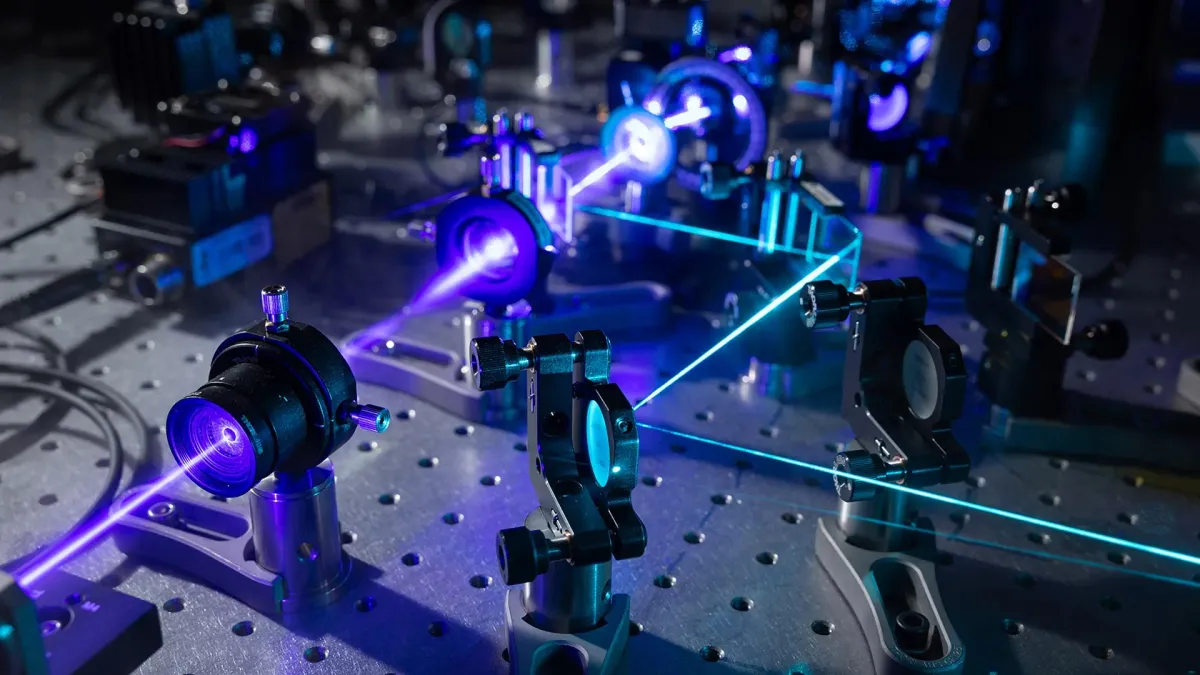
A new microscope developed at Stanford University allows scientists to watch the tiny structures inside living cells move and interact in real time, providing an exceptionally detailed view without the fluorescent labels typically used to make these structures visible.
Researchers at Stanford have created a powerful new imaging system that reveals the inner workings of living cells with remarkable clarity. By combining two advanced microscopy techniques, the instrument achieves a resolution of approximately 120 nanometers, an unprecedented level of detail for an approach that does not require fluorescent labels.
This article is an excerpt. To read the full content, visit the original source. Science Daily
Related articles
Stanford’s new microscope reveals living cells like never before - Science Daily
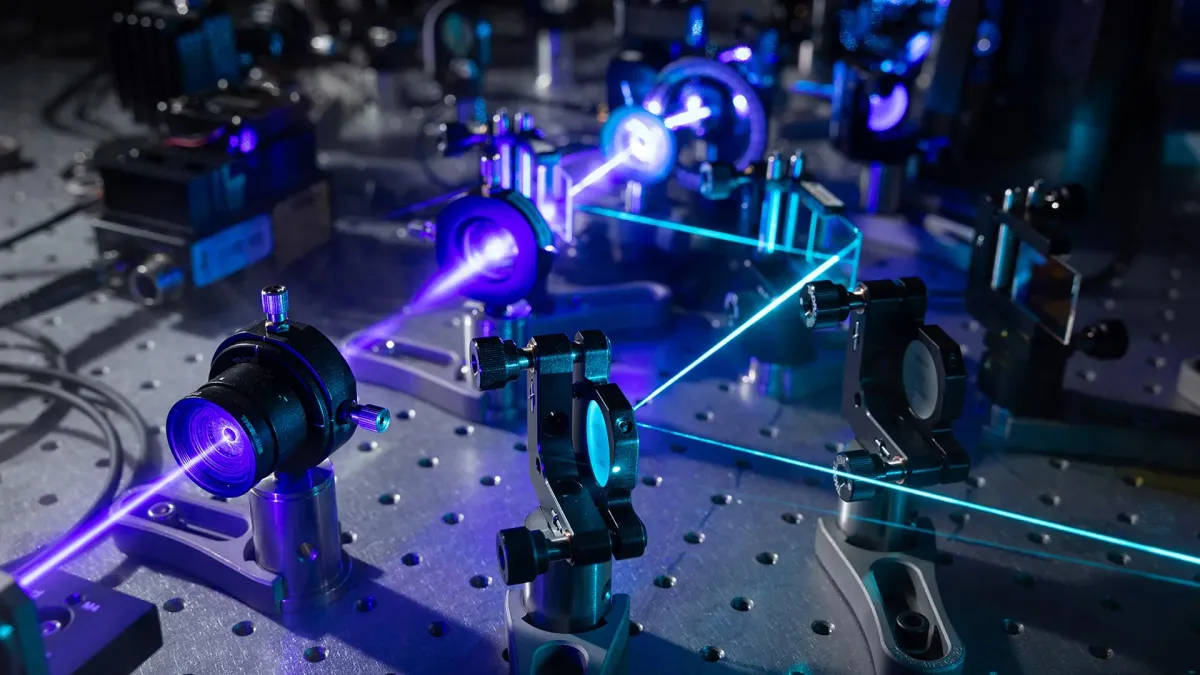
A new microscope developed at Stanford University allows scientists to watch the tiny structures inside living cells move and interact in real time, providing an exceptionally detailed view without the fluorescent labels typically used to make these structures visible. Researchers at Stanford have created a powerful new imaging system that reveals the inner workings of living cells with remarkable clarity. By combining two advanced microscopy techniques, the instrument achieves a resolution of approximately 120 nanometers, an unprecedented level of detail for an approach that does not require fluorescent labels.
A new kind of microscope: Agentic AI turns simple language into self-guided experimentation - Argonne National Laboratory (.gov)

Simulations explore nuclear mitigation of asteroid threats - Phys.org
Lawrence Livermore National Laboratory researcher Isaiah Santistevan led the development of three-dimensional simulations exploring how a nuclear device could deflect or disrupt an asteroid threatening Earth. Credit: Blaise Douros/LLNL Lawrence Livermore National Laboratory (LLNL) researchers are developing three-dimensional simulations to examine how a nuclear device could be used to deflect or potentially disrupt an asteroid threatening Earth.
0 comments
No comments yet. Be the first to share your thoughts!