Categories
Science
10977 articles

Science
Scientists reaffirm ‘incontrovertible’ evidence of human influence on climate - AGU Newsroom
A new review shows that more than three decades of climate “fingerprint” research has provided overwhelming evidence that greenhouse gas emissions are driving changes throughout Earth’s climate system. Cars driving past steaming smokestacks, both human activities that introduce greenhouse gases into the atmosphere. A new review summarizes over three decades of “incontrovertible” evidence for human influence on global climate. Credit: Jacek Dylag on Unsplash.
AGU Newsroom·

Science
Bones, Liver, And Blood Fats All Shift Abruptly at Menopause, Huge Study Finds - ScienceAlert
If puberty is like climbing a physiological cliff, then menopause may be like falling off one. A new study, published in Nature Medicine, argues that the end of menstruation is not a gradual part of aging, as previously assumed, but an abrupt physiological transition. Using more than 300 million lab tests from over one million women, the new study identifies a number of sudden 'jumps' that occur throughout the body when menopause begins. Some of the most obvious changes are to do with sex hormones, which the ovaries help produce, but there are also sudden shifts in bone health, liver function, kidney function, blood chemistry, and blood fats. "Menopause reshapes female physiology, yet current understanding islimited by small longitudinal cohorts that characterize it as a gradualtransition," explain the authors, led by molecular cell biologist Glen Pridham from the Weizmann Institute of Science in Israel. That may be a misconception. Pridham and colleagues have instead used a computational framework to analyze the transition to menopause in two large cohorts of women, one in the United States and another in Israel.
ScienceAlert·

Science
7 simple habits that could reverse diabetes - BBC Science Focus Magazine
Just 20 years ago, type 2 diabetes was a lifelong diagnosis. When doctors spoke with their patients, the focus was on treating symptoms and managing complications with pharmaceuticals. Thoughts of eradicating the disease itself seemed far-fetched. Now, though, thousands of people are successfully pushing back the disease.
BBC Science Focus Magazine·

Science
THE WEEK OF OCT 12, 2026 - AIP.ORG
President Donald Trump, from right, applauds after presenting the National Medal of Science to Google co-Founder Sergey Brin, Nvidia CEO Jensen Huang, Elon Musk, and Lisa Su, CEO of Advanced Micro Devices, at the Science: A New Golden Age summit. White House announces $6 billion in science initiatives
AIP.ORG·

Science
World War II notes linked to ‘The Great Escape’ prison camp found in garage crawlspace - Popular Science
Over 300 pages of notes were labeled 'Secret' in the box hidden for decades inside a garage. A man in upstate New York discovered more than cobwebs and missing holiday decorations while recently cleaning out his garage. Behind a small wood plank, homeowner Jason Hurdle spotted a long-forgotten crawlspace stuffed with vintage milk pails, a safe, and a dusty box of files. Hurdle intended to simply toss the papers in the trash, until a perfectly timed gust of wind removed the crate’s lid. Only then did he realize the box’s true contents: dozens of reports labeled “Secret” relating to Stalag Luft 3, an infamous prison camp run by the Nazi Luftwaffe near Germany’s western border during World War II. Over 300 pages of handwritten accounts from U. S. soldiers recounting their brutal incarcerations at the facility under conditions “not fit for humans.”
Popular Science·

Science
UChicago scientists discover semi-aquatic Jurassic-era otter that could chew and swallow - CTV News
AtlanticNova ScotiaNew BrunswickPrince Edward Island Newfoundland and LabradorCalgaryLethbridgeKitchenerGuelphNorthern OntarioSudburyNorth BaySault Ste. MarieTimminsOttawaKingstonBrockvillePembrokeReginaYorktonSaskatoonPrince AlbertTorontoWatchWeatherPeelHamiltonDurhamYorkHaltonNiagaraQueen's ParkToronto City HallIn PicturesVancouverVancouver IslandCanadaLocal SpotlightRoyal FamilyPoliticsNanosPower PlayQuestion PeriodFederal Election 2025WorldMideast ConflictRussia-Ukraine WarWatchLatestCaptured on CameraPoliticsLifestyleConsumerHealthExplainedEntertainmentTechnologyDeception DecodedAutosEnvironmentBusinessInflationReal EstateAutos
CTV News·

Science
AI points to the future of Earth’s civilization: Chinese science fiction writer Liu Cixin - Global Times
Good Chinese works more likely to be seen amid growing world interest Liu Cixin speaks to journalists on September 18, 2025 in Chengdu, Southwest China's Sichuan Province, ahead of the Galaxy Science Fiction Convention. Photo: Lu Wenao/Global TimesChinese science fiction writer Liu Cixin said artificial intelligence (AI) may carry Earth's civilization beyond humanity, even if that future does not belong to humans, as he marked 20 years since The Three-Body Problem began serialization. Liu, speaking to the People's Daily on the sidelines of the 37th Galaxy Awards in Zigong, Southwest China's Sichuan Province, said humans have ceilings in intelligence and strength, and that evolution prepared them for the Earth, not the universe. "AI points to the future of Earth's civilization. That future may not belong to humans, but it is still meaningful," he said. The interview also reignited discussions on Chinese social media about when China's next The Three-Body Problem will appear, a question about how a Chinese literary creation can grow from a text into broad influence and how Chinese imagination can reach global audiences.
Global Times·
Science
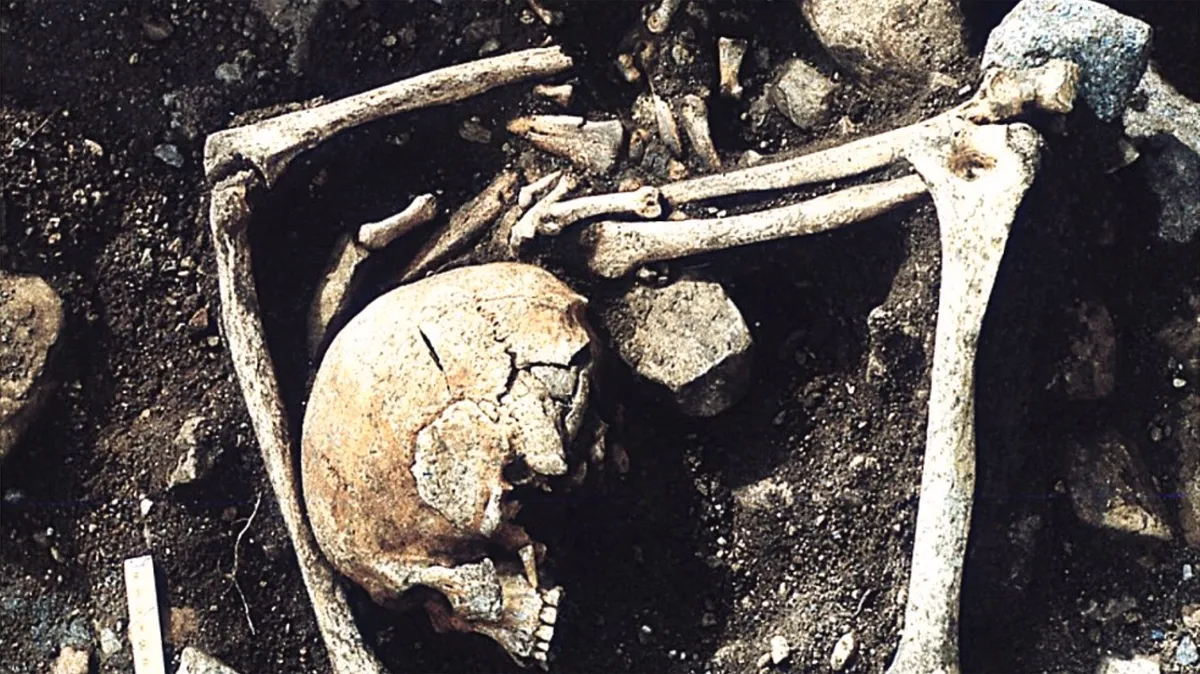
1,200-year-old burial in Latvia holds people who died of 'sharp force' injuries, possibly from a Viking raid - Live Science
A 1,200-year-old burial in Latvia holds the remains of a father, son and four others who may have been victims of a Viking raid.
Live Science·

Science
Helen Mirren, 81, Credits Her Fitness to One 12-Minute Routine She's Done for Decades, and Science Backs It Up - Grazia
Most fitness plans ask for an hour, a gym membership and a new pair of sneakers. Helen Mirren’s asks for 12 minutes and
Grazia·
Science
New cardiovascular-kidney-metabolic (CKM) health education helps clinicians turn latest science into patient care - www.heart.org
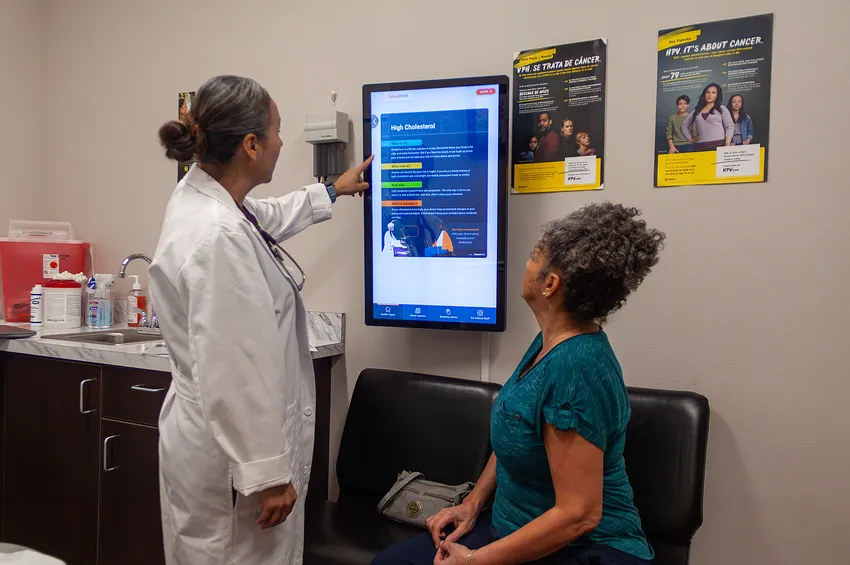
DALLAS, Oct. 12, 2026 — The American Heart Association has expanded its education portfolio to help clinicians put the new cardiovascular-kidney-metabolic (CKM) syndrome guideline into practice. New resources range from 15-minute micro-learnings to in-depth courses and practical tools. Continuing education credit offerings vary. Cardiovascular, kidney and metabolic conditions, like Type 2 diabetes and obesity, often overlap, making coordinated care increasingly important. Since 2023, the American Heart Association, a relentless force changing the future of health for everyone everywhere, has been a leader in advancing CKM health by convening experts across science, clinical care and industry and developing resources to help improve diagnosis and management of these interconnected conditions.
www.heart.org·

Science
Some People Hear Music That Isn’t There—and Scientists Think They Know Why - Popular Mechanics
Here’s what you’ll learn when you read this story:While we’ve all had a tune frustratingly stuck in our head from time to time, some people experience auditory hallucinations that are indistinguishable from listening to real music. Scientists analyzed data from 80 subjects who experience this strange phenomenon, and found that they often experience other forms of hallucination or sensory distortion as well. The most compelling explanation for this brain glitch is deafferentiation theory, where the auditory cortex in people with hearing loss begins pulling music from our long-term memory for auditory processing. While neuroscience has made gargantuan strides in understanding how the human mind works, the organ remains a labyrinth filled with medical mysteries—chief among them hallucinations. One of the best-known hallucinations is the so-called “phantom limb,” in which the brain continues to feel sensation from a limb that’s been amputated—and this “phantom” phenomenon can affect other senses as well.
Popular Mechanics·

Science
FSU computer scientist appointed National Science Foundation program director - Florida State University News
A Florida State University researcher is helping guide national research priorities in artificial intelligence, advanced computing and data systems in his new role as a program director within the Office of Advanced Cyberinfrastructure at the National Science Foundation (NSF). Professor of Computer Science Weikuan Yu will serve as an NSF program director for at least one year starting in Fall 2026. In this role, he’ll collaborate with researchers and other program directors to help manage NSF programs and oversee federal research investments related to his expertise in AI, powerful computing systems, large-scale data management and computing infrastructure.
Florida State University News·

Science
The subtle signs that somebody secretly dislikes you, according to a psychologist - BBC Science Focus Magazine
Does that colleague really dislike you, or are you just imagining it? Most of us have wondered whether someone secretly dislikes us, but it can be difficult to tell because people rarely say so directly. Instead, psychologists suggest that social rejection can reveal itself through subtle behavioural cues, from reduced eye contact and particular body language to fleeting microexpressions of contempt.
BBC Science Focus Magazine·
Science
A Gene From the Human Brain Leapt Into a Virus—and Scientists Have No Idea What It’s Doing There - Popular Mechanics
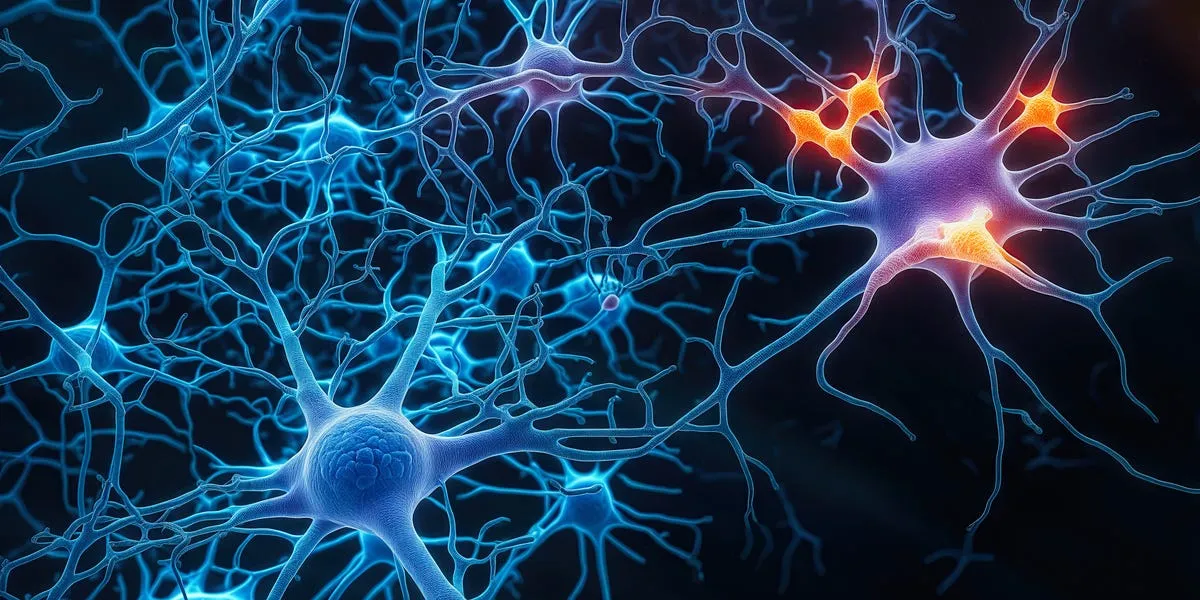
Here’s what you'll learn when you read this story:• Researchers have identified a gene that combines characteristics never before seen together in a single gene.• This “jumping gene,” which also plays a role in brain function, can copy and insert itself elsewhere in the genome—and it has turned up in troubling places, including diseased cells.• It’s the first human gene known to be mobile that also appears to serve a normal cellular function—and it’s even escaped into a poxvirus. The gene BC200 has been known for decades, but a new look at its behavior raises quite a few questions—and the answers aren’t all encouraging. In a first, researchers found that this “jumping gene” appears to serve an important role in human neurons even as it continues to copy itself into new locations, including, at some point during modern human history, the genome of a human poxvirus. Writing in the September 24 issue of Science, a team from Cornell University, Capital Normal University in Beijing, and the University of Texas at Arlington concluded that BC200’s mix of traits has never been documented in a gene before.
Popular Mechanics·