New cardiovascular-kidney-metabolic (CKM) health education helps clinicians turn latest science into patient care - www.heart.org
This story deserves to be shared
Send it to someone who'd care, or post it on your networks.
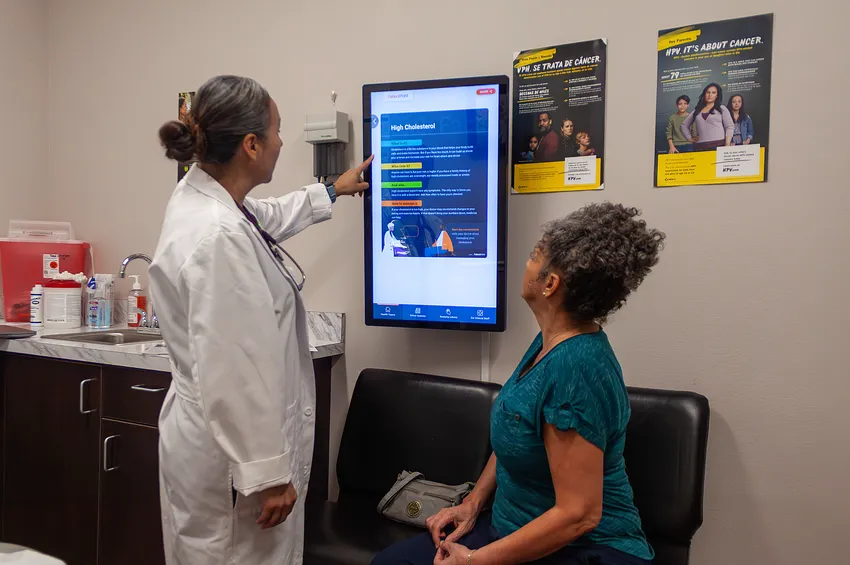
DALLAS, Oct. 12, 2026 — The American Heart Association has expanded its education portfolio to help clinicians put the new cardiovascular-kidney-metabolic (CKM) syndrome guideline into practice. New resources range from 15-minute micro-learnings to in-depth courses and practical tools. Continuing education credit offerings vary.
Cardiovascular, kidney and metabolic conditions, like Type 2 diabetes and obesity, often overlap, making coordinated care increasingly important. Since 2023, the American Heart Association, a relentless force changing the future of health for everyone everywhere, has been a leader in advancing CKM health by convening experts across science, clinical care and industry and developing resources to help improve diagnosis and management of these interconnected conditions.
This article is an excerpt. To read the full content, visit the original source. www.heart.org
Related articles
Metabolic characteristics and evolutionary history of the nitrogen-fixing cyanobacterial endosymbionts of pennate diatoms - Nature
We’re sharing this article early to provide faster access to peer-reviewed, accepted research. It is citable and carries a permanent DOI. This version is subject to further edits and will be replaced automatically by the final Version of Record. All legal disclaimers apply. AbstractNitrogen-fixing cyanobacteria are important sources of bioavailable nitrogen on Earth. Some nitrogen-fixing cyanobacteria are endosymbionts of algae, and recently one of them, UCYN-A2, was shown to be an early-stage organelle (nitroplast) of haptophytes. These biological associations are important models for studying co-evolution and organellogenesis. Endosymbioses between Rhopalodiaceae diatoms and nitrogen-fixing cyanobacteria (spheroid bodies, SBs) are widespread in marine and freshwater ecosystems, but their adaptation and evolution remain unclear. We found that the genomes and metabolic characteristics of marine and freshwater SBs are remarkably similar. Purifying selection pressures dominated SB diversification both within marine and freshwater habitats and across habitat boundaries.

Celebrating the clinicians who make it possible this Allied Health Professionals Day - First Nations Health Authority
HomeNewsCelebrating the clinicians who make it possible this Allied Health Professionals Day On behalf of the Office of the Chief Nursing and Allied Health Officer, we thank you for the many hands that make light work
0 comments
No comments yet. Be the first to share your thoughts!