Categories
Health
9091 articles
Health
Health Workers as Human Rights Defenders in Need of Recognition, Support, and Protection - Human Rights Research Center | HRRC
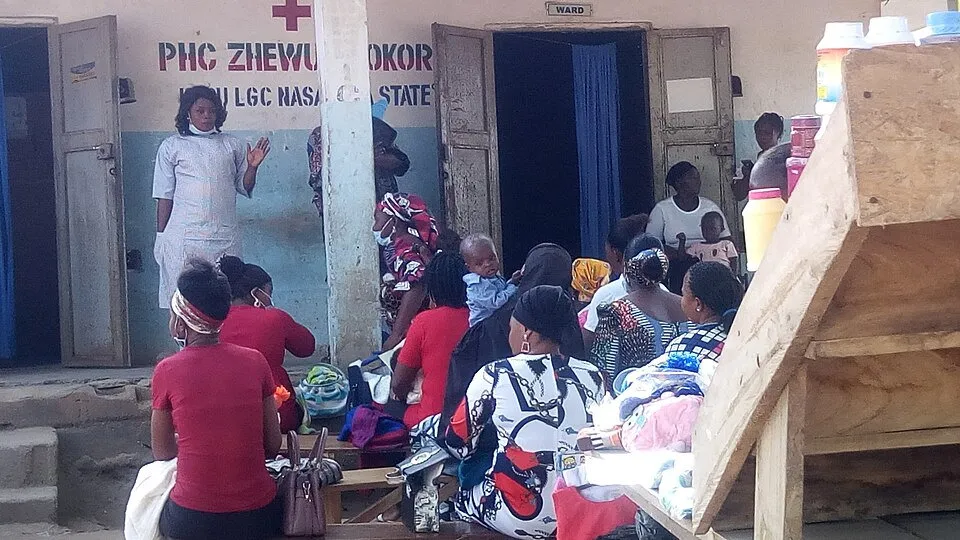
October 13, 2026Health workers with mothers during an immunization campaign at a primary health center [Image source: HarunaSylvester/Wikimedia Commons]Introduction: Why should we regard health workers as human rights defenders? Health workers—meaning all those who “primarily work with the intent to advance health” such as doctors, nurses and midwives—act as human rights defenders when they ensure that all people, no matter their backgrounds, can benefit from the basic right to appropriate healthcare. They also serve in wider roles as rights defenders, such as in protecting people’s sexual and reproductive health and rights or in supporting those who are experiencing conflict or displacement. Although health workers have long been considered a specially protected group, they continue to be common targets of rights violations. In her April 2025 report to the General Assembly, Tlaleng Mofokeng, the United Nations' Special Rapporteur on the right to health, argued that health workers are important actors promoting human rights and that they should therefore receive improved protection and support.
Human Rights Research Center | HRRC·
Health
CUPE 5430 continuing care assistants sound alarm over unsafe staffing and working conditions - CUPE
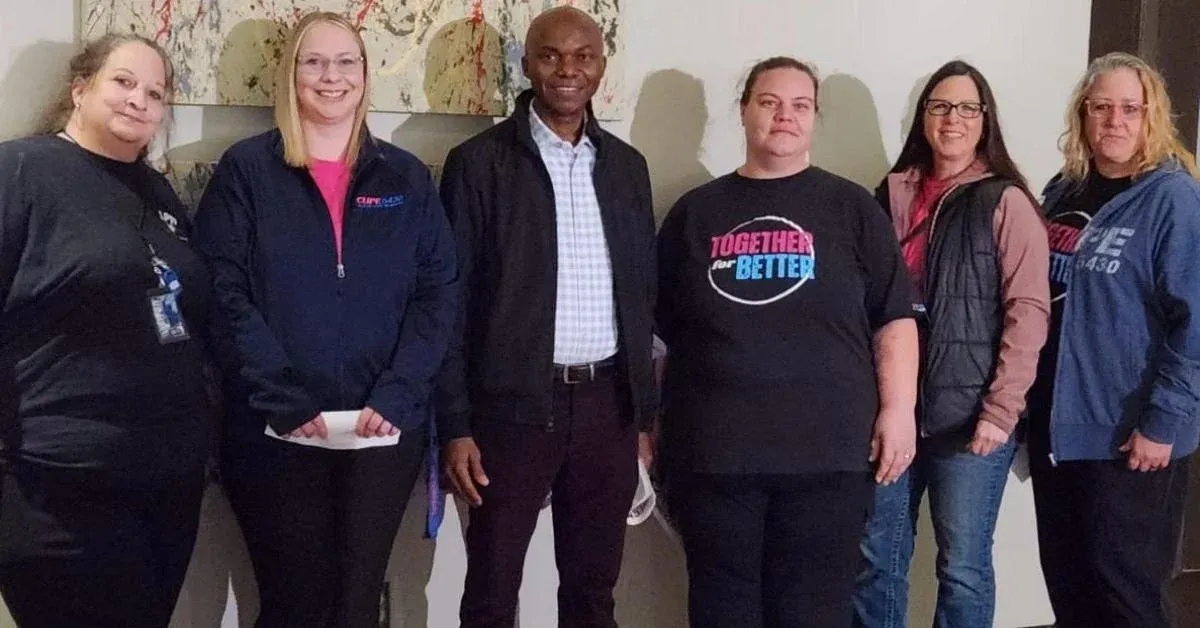
Frontline continuing care assistants (CCAs) are sounding the alarm over unsafe staffing levels, inadequate time to care for patients, and worsening working conditions in Saskatchewan’s health care system. CUPE 5430’s CCA committee’s new research report, Checking the Pulse of CCAs, highlights the growing challenges CCAs face in workplaces across the province. The research report surveyed 1,290 continuing care assistants and found:
CUPE·
Health
Mental health support workshop returns for third year in Saskatoon - CTV News
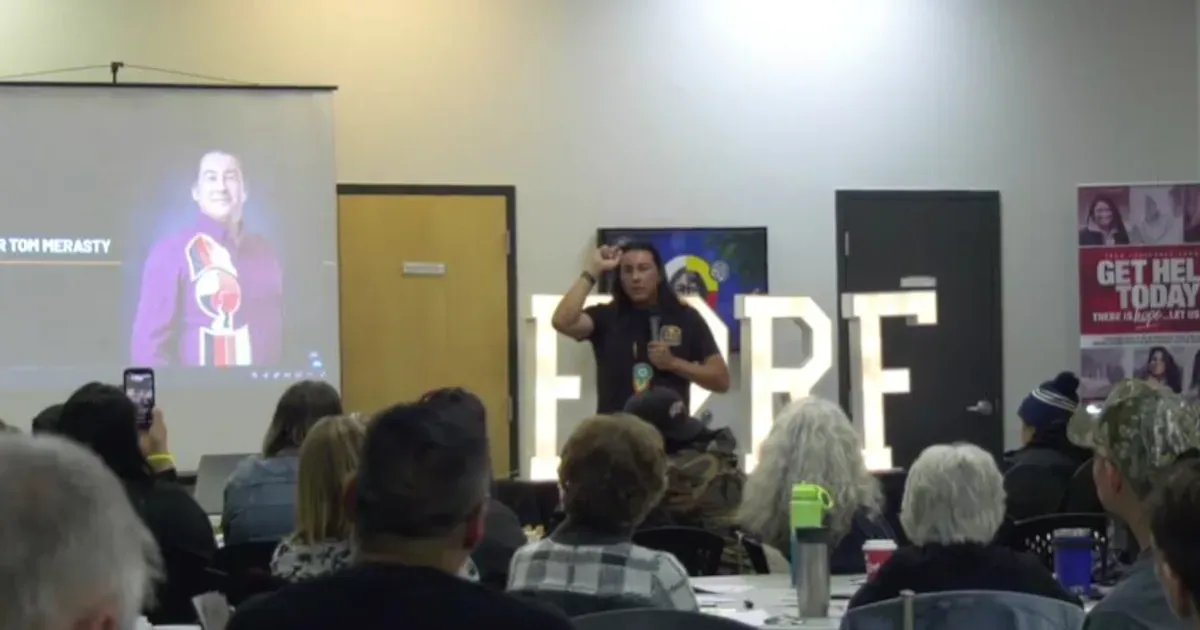
ADVERTISEMENTWatchThe Empower2Recover Foundation made its way to Saskatoon to share education and lived experiences regarding mental health and addiction issues with the community. October 13, 2026 at 8:45a.m. EDT
CTV News·
Health
Pembrokeshire mum told to prepare for 'worst' urges others to get respiratory illness vaccine - BBC
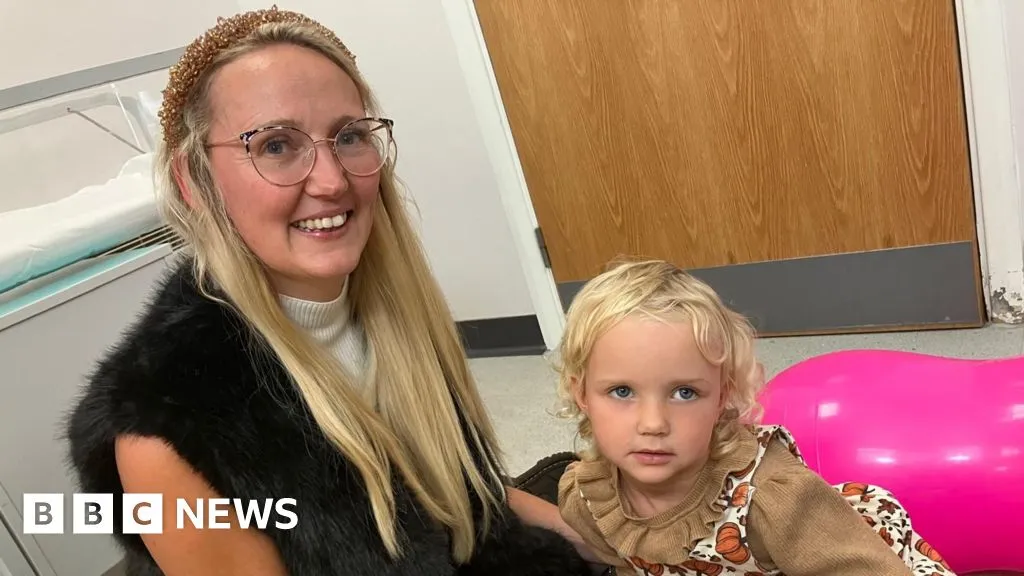
3 days agoOwain ClarkeWales health correspondentBBCJo Goldsmith is advising pregnant women to take up the vaccineA woman whose newborn daughter became ill after catching a potentially serious respiratory illness is urging other pregnant women to make sure they are vaccinated against it. Jo Goldsmith said she was told to "prepare for the worst" after her daughter Phoebe contracted respiratory syncytial virus (RSV) a few days after being born. The vaccine was not available at the time of her pregnancy, but she said she "definitely would have had it". "I wouldn't want any family to go through what we went through," she said. Nerys Evans, Deputy Minister for Public and Preventative Health, was also urging people to make sure they were vaccinated against Covid-19, flu and RSV ahead of the winter months. RHS vaccinations were introduced in Wales in September 2024. Jo GoldsmithPhoebe was five days old when she was diagnosed with RSV positive bronchiolitis on Christmas EveGoldsmith, a children's nurse and health visitor from Haverfordwest, Pembrokeshire, said that when Phoebe was born four years ago, she realised within days that something was wrong.
BBC·

Health
The invisible gap - Mental Health Commission of Canada
When a Deaf person in Canada experiences a mental health crisis in a mainstream setting, the immediate barrier they face isn’t their distress — it is the hearing world’s inability to connect with and understand them. The problems are both immediate and systemic. They show up during a crisis response, but also in the hearing-centric structures and institutions that surround mental health care. As a hearing person, the default would be a crisis response that relies almost entirely on spoken words. Even in a health-care setting, professionals may rely on exhausting alternatives, like asking a distressed person to lip-read or to scribble their deepest trauma onto a clipboard. This approach is more than inefficient; it highlights a stark reality: standard mental health frameworks are fundamentally unequipped to support the distinct cultural and linguistic identity of the Deaf community. Psychological distress rarely stems from deafness itself. Instead, it is driven by systemic barriers, early language deprivation, and the friction of a world not built for visual communication. To truly centre Deaf experiences, frameworks like Mental Health First Aid must evolve.
Mental Health Commission of Canada·
Health
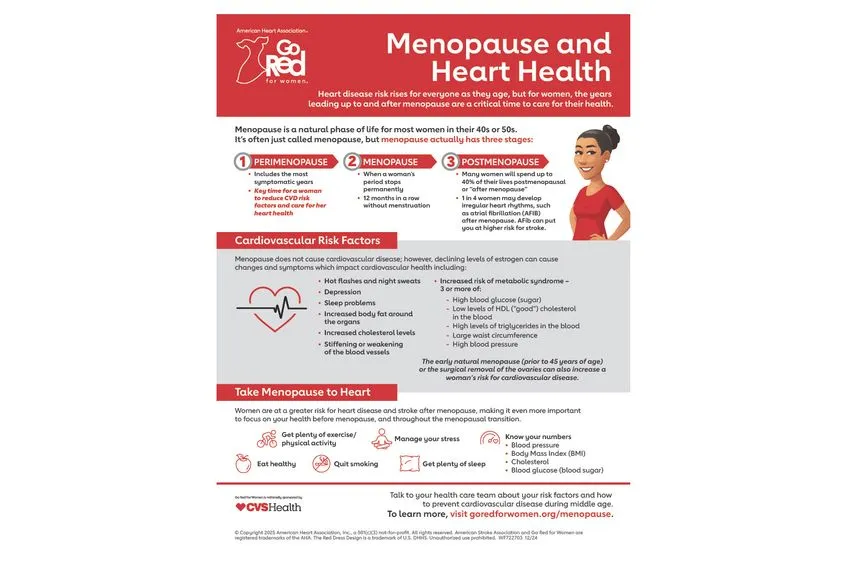
What doctors want women to know about menopause and heart health - www.heart.org
October is Menopause Awareness Month, and an estimated 6,000 women in the U. S. enter menopause every day. The American Heart Association’s Go Red for Women movement offers menopause and heart health tools and information at goredforwomen.org/menopause. The Menopause Society provides evidence-based menopause information and offers a Find a Menopause Certified Practitioner directory at menopause.org. Many women spend about 40% of their lives in postmenopause, making midlife a good moment to know your heart health numbers and talk with your healthcare team.
www.heart.org·
Health
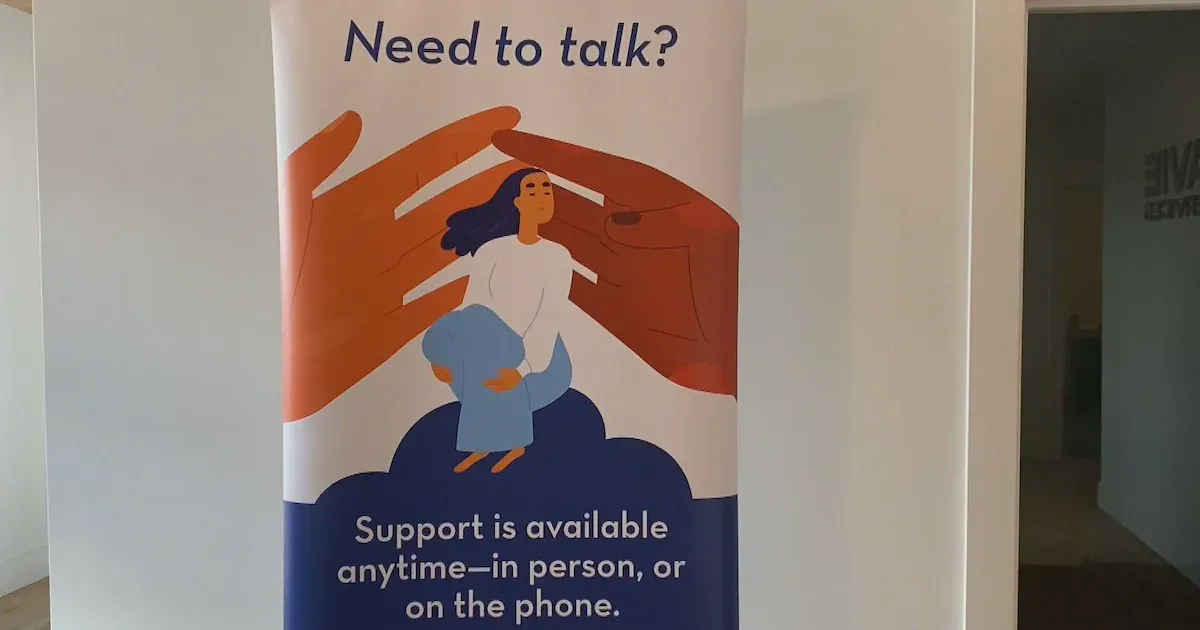
Understanding P.E.I.’s mobile mental health program - CTV News
ADVERTISEMENTAtlantic WatchSPONSORED: Get details on a community-based service on P. E. I. that supports those experiencing mental health or addictions challenges. October 13, 2026 at 7:31a.m. EDT
CTV News·
Health
With Only Three 'No' Votes, UN Adopts Political Declaration On Pandemic Preparedness - Health Policy Watch
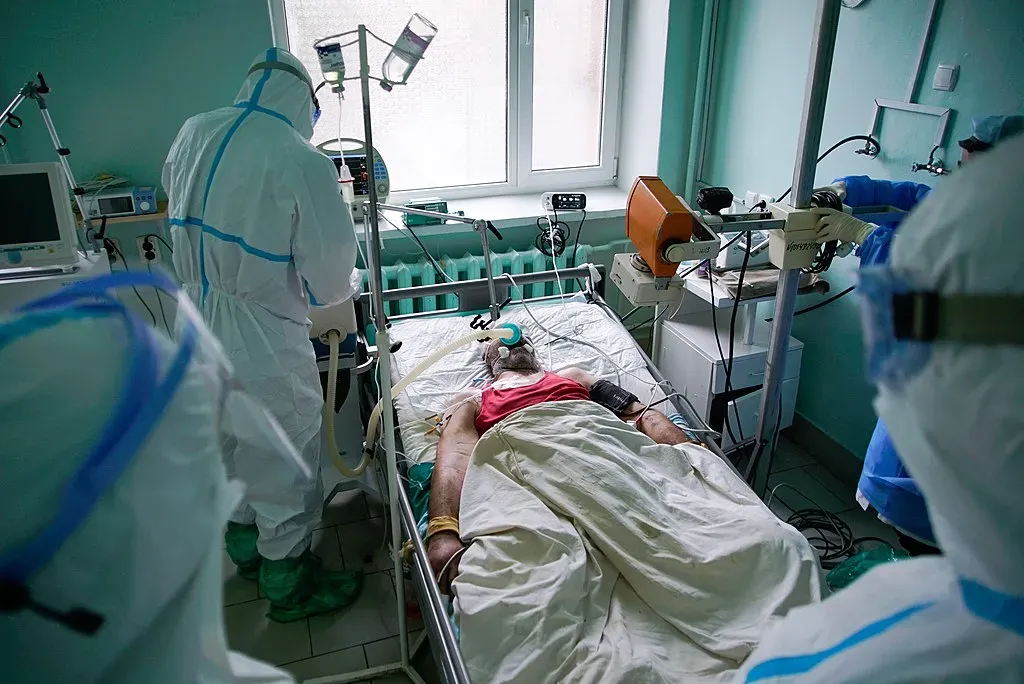
A patient with COVID-19 in intensive care in Chernivtsi in southwestern Ukraine. The declaration guides countries to better respond to pandemics. The United Nations General Assembly adopted the Political Declaration on Pandemic Prevention, Preparedness, and Response (PPPR) by a substantial majority at a plenary meeting in New York on Monday, with 153 countries voting in favor and only three against.
Health Policy Watch·
Health
‘Take a deep look’: How Dodgers’ Roberts should manage Ohtani’s health - Sportsnet.ca
Former MLB pitcher and current analyst Dan Plesac joins Blair and Barker and delves into the tricky situation involving Los Angeles Dodgers star Shohei Ohtani’s health, and how manager Dave Roberts should handle it.
Sportsnet.ca·
Health
Analyzing how injuries impact players’ mental health and recovery - Sportsnet.ca
Behavioural scientist Alicia Naser joins The FAN Hockey Show and discusses the dynamic between player injuries, mental health, and recovery and how injuries can have a long-standing impact on a player’s mental health.
Sportsnet.ca·

Health
Twenty years of frontline detectives: how a fellowship grew into a regional health emergency corps - World Health Organization (WHO)
For years, Doan Quang Dung, an applied epidemiologist at the Queensland Health Department in Australia, worked within the limits of his laboratory bench: specimens, reagents, a microscope. Then COVID-19 shifted his world, and the period of forced reflection drove him “to look beyond the lab, and at populations that were most at risk of disease.” What began as curiosity during a crisis became a mission, and it led him to the World Health Organization’s Field Epidemiology Fellowship Programme (FEFP) in the Western Pacific. “FEFP provided an eye-opening transition from the controlled lab to the ‘boots on the ground’ reality of field epidemiology, where I worked with complex datasets to uncover the causes and effects of disease,” he shared. This year, that programme turns 20. From mentorship to a regional engine FEFP was established in 2006, to help countries detect and respond rapidly to emerging infections and other acute public health events. Initially individual and mentorship-based, in 2011 it became more structured.
World Health Organization (WHO)·
Health
Reducing Pediatric Mental Health Boarding and Inappropriate Extended Hospital Stays - Children's Hospital Association
Children experiencing a mental health crisis deserve timely access to the right care in the right setting. Yet across the country, many children remain in emergency departments or hospital inpatient units long after they no longer need hospital-level care because appropriate behavioral health services or placements are unavailable. This practice, known as pediatric mental health boarding, can delay treatment, increase stress on families, and strain hospital resources. This white paper outlines a practical state policy framework to reduce pediatric mental health boarding and improve access to care. The report highlights evidence-informed strategies for strengthening behavioral health capacity, improving care coordination, aligning Medicaid policy with children's needs, and increasing accountability across child-serving systems.
Children's Hospital Association·

Health
Invisible burdens: reframing maternal mental health as a core priority in conflict-affected and low-resource settings - Frontiers
PERSPECTIVE articleFront. Glob. Women’s Health, 13 October 2026 Sec. Women's Mental HealthVolume 7 - 2026 | https://doi.org/10.3389/fgwh.2026.1989039AbstractMaternal mental health remains an overlooked dimension of global women's health, particularly in conflict-affected and low-resource settings where psychological distress is intensified by poverty, displacement, violence, gender inequality, and fragile health systems. Although maternal health agendas have achieved progress in reducing mortality, survival-focused approaches often fail to capture the psychological burdens that shape women's well-being, caregiving capacity, and intergenerational outcomes. This Perspective argues that maternal mental health should be reframed as a core component of maternal health rather than a secondary concern. Drawing on a life-course and gender-responsive perspective, we propose a conceptual framework linking conflict and structural inequality with social determinants, maternal psychological outcomes, and consequences for mothers and children.
Frontiers·