Categories
Health
7986 articles
Health
Overlooked brown fat in our bodies linked to wide range of health benefits - Nature
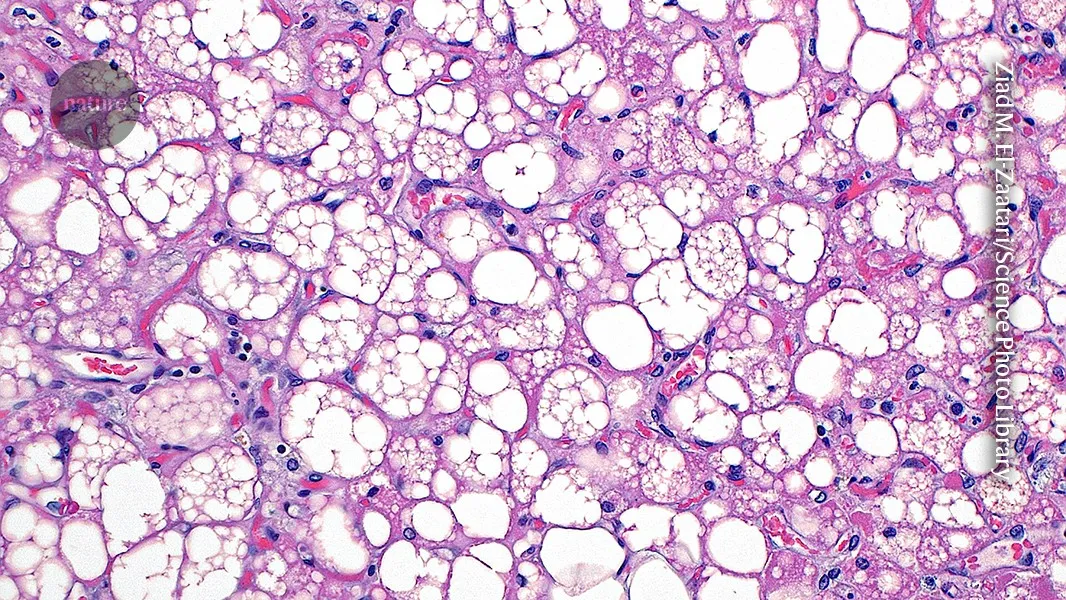
Brown fat (shown here in a light-microscopy image) burns calories to generate heat. Credit: Ziad M. El-Zaatari/Science Photo LibraryWhen people think of fat, they typically picture the jiggly tissue around the belly that stores extra calories. That’s white fat. But there’s another type, called brown fat, that does the opposite. Typically found around the neck, armpits and in the chest, brown fat burns calories to generate heat and has been linked to health benefits. Fat cells have a ‘memory’ of obesity — hinting at why it’s hard to keep weight offA study of more than 100,000 people — the largest of its kind — is now expanding that list of benefits. It revealed that people with ‘active’ brown fat are less affected by a number of health issues, including type 2 diabetes, depression and anxiety, than are those without it. Researchers used an artificial-intelligence model to quantify, from scans, the participants’ active brown fat, which is fat that is ‘turned on’ and burning calories. They concluded that the more active brown fat people have, the greater the protection they have from disorders and diseases. The findings were published today in Nature1.
Nature·

Health
Australian scavengers don’t just eat everything and slink away. They approach a carcass like a buffet - The Conversation
When scientists talk about scavengers, you might imagine an animal sniffing out or stumbling across a carcass, eating as much as possible, and slinking away. But like all foods, a dead animal holds a variety of macronutrients – carbohydrates, lipids (fats), and protein – all within the same carcass, or meal. Just as an egg has a high-protein white and a higher fat yolk, carcasses are similar.
The Conversation·
Health
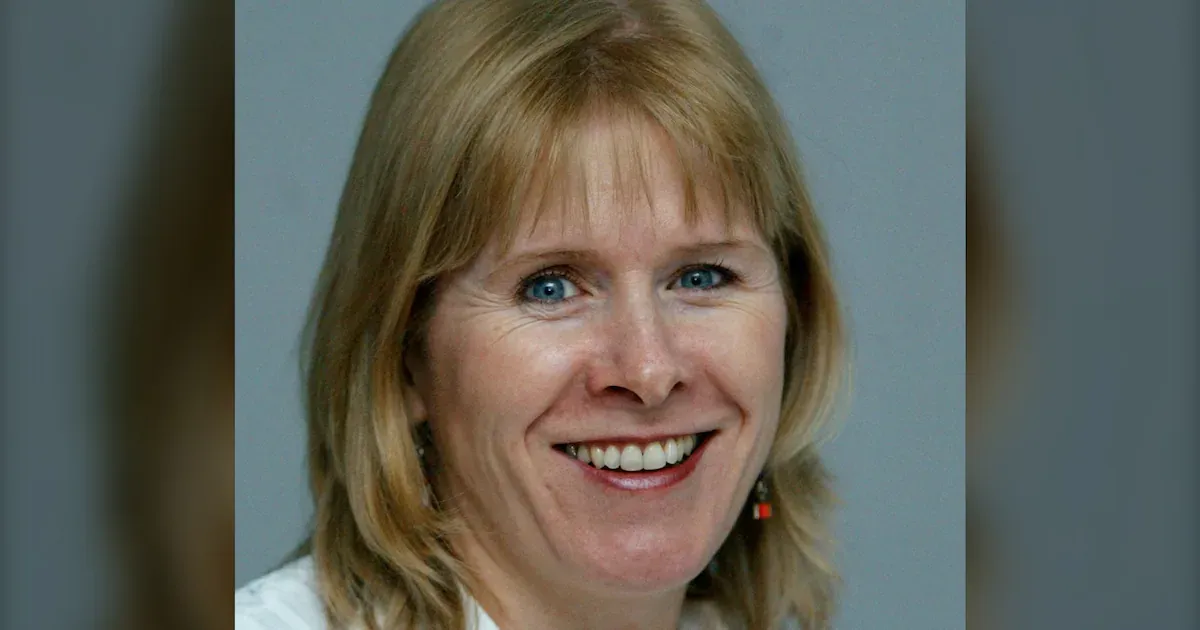
Former CP health reporter Helen Branswell remembered as excellent journalist and loving person - CTV News
AtlanticNova ScotiaNew BrunswickPrince Edward Island Newfoundland and LabradorCalgaryLethbridgeKitchenerGuelphNorthern OntarioSudburyNorth BaySault Ste. MarieTimminsOttawaKingstonBrockvillePembrokeReginaYorktonSaskatoonPrince AlbertTorontoWatchWeatherPeelHamiltonDurhamYorkHaltonNiagaraQueen's ParkToronto City HallIn PicturesVancouverVancouver IslandCanadaLocal SpotlightRoyal FamilyPoliticsNanosPower PlayQuestion PeriodFederal Election 2025WorldMideast ConflictRussia-Ukraine WarWatchLatestCaptured on CameraPoliticsLifestyleConsumerHealthExplainedEntertainmentTechnologyDeception DecodedAutosEnvironmentBusinessInflationReal EstateAutos
CTV News·

Health
Northern Health region continues to see province’s highest drug toxicity death rate, new data shows - CJDC-TV
October 14, 2026 at 2:50p.m. EDTFORT ST. JOHN, B. C. - Preliminary figures from the BC Coroners Service show unregulated drug toxicity deaths increased in August, with 126 deaths recorded across British Columbia compared to 113 in July. The latest reporting found an average of 4.1 deaths per day in August, up from 3.6 deaths per day in July. The report also found Northern Health continues to have the highest rate of unregulated drug toxicity deaths in the province in 2026, at 43 deaths per 100,000 people. In July, 5 people died in the Northern Health region due to overdose. In September, that number climbed to 13. Island Health recorded the second-highest rate at 34 deaths per 100,000 people. Across July and August, 239 people died in B. C. from unregulated drug toxicity. Of those, 188 were male and 51 were female. Men account for 76 per cent of all unregulated drug deaths reported so far this year. People between the ages of 30 and 59 continue to be the most affected group, accounting for 69 per cent of drug toxicity deaths in B. C. during 2026.
CJDC-TV·

Health
Opinion: How proposed changes to U.S. census could harm public health - Harvard T.H. Chan School of Public Health
Proposed changes to the U. S. census will selectively reduce the number of people counted—and where they’re counted—resulting in skewed data that will prevent true understanding of U. S. morbidity and mortality rates, and could result in far-ranging harms to public health, according to Harvard T. H. Chan School of Public Health’s Nancy Krieger. Krieger, professor of social epidemiology, wrote about the potential fallout of the proposed changes in an Oct. 9 STAT News opinion piece.
Harvard T.H. Chan School of Public Health·
Health
Shadow AI and the Limits of Institutional Agility - Journal of Medical Internet Research
Journal of Medical Internet Research·

Health
Kenya confirms 2nd case of Ebola in relative of patient who died earlier this month - CBC
WorldKenya's Health Ministry confirmed the country's second Ebola case Wednesday, saying a relative of the man who died two days after arriving from Congo had tested positive while in quarantine. The man tested positive while in quarantine after developing symptomsThe Associated Press · Posted: Oct 14, 2026 2:19 PM EDT | Last Updated: October 14Listen to this articleEstimated 2 minutesThe audio version of this article is generated by AI-based technology. Mispronunciations can occur. We are working with our partners to continually review and improve the results. Health workers and officials stand outside a Ebola isolation facility at the Nairobi Hospital, Kenya, Oct. 7. A second patient in Kenya has tested positive for the disease. (Andrew Kasuku/The Associated Press)Kenya's Health Ministry confirmed the country's second Ebola case Wednesday, saying a relative of the man who died two days after arriving from Congo had tested positive while in quarantine. The ministry said the 39-year-old man had been identified as a close relative of Kenya's first Ebola case and developed symptoms Tuesday.
CBC·

Health
Northern Health records 18 drug overdose deaths across July and August - My Prince George Now
The BC Coroners Service is reporting unregulated drug toxicity claimed 113 lives in July and 126 in August across the province. That equates to about 3.6 deaths per day in July, and 4.1 in August, and brings the province’s total to 1,015 so far this year.
My Prince George Now·
Health
Billboards and open letter urge health ministers gathered in Winnipeg to stop U.S.-style health care in Canada - Canadian Health Coalition
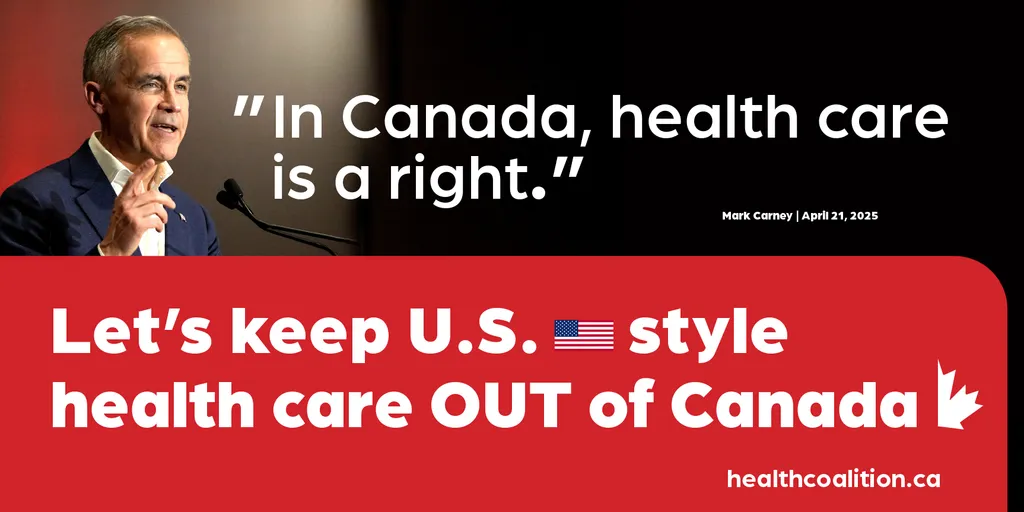
As federal, provincial and territorial health ministers meet in Winnipeg this week, the Canadian Health Coalition and the Manitoba Health Coalition are greeting them with digital billboards that quote Prime Minister Mark Carney’s own words back to his government: “In Canada, health care is a right.” The ads, in English and French, call on governments to “keep U. S.-style health care OUT of Canada.” They are running from Oct. 13 to 19 on 11 digital billboards across the city, from Portage Avenue to the Disraeli Freeway, and are expected to be seen an estimated 2.5 million times. Photo of the Canadian Health Coalition’s digital billboard in Winnipeg, featuring Prime Minister Mark Carney’s words, “In Canada, health care is a right,” and the message “Keep U. S.-style health care OUT of Canada.”
Canadian Health Coalition·

Health
Free mental health talk: 'Big Guy, Big Heart, Big Feelings' coming up - DiscoverWeyburn
Mason Richaud, a life coach with Mountain Top Counselling, is hosting a free community event titled 'Big Guy, Big Heart, Big Feelings' at 7 p.m. on Oct. 24 at McKenna Hall. Designed to foster open dialogue and build community connection, the informal gathering aims to strip away the stigma surrounding mental illness. As mental health is too often treated as a private burden, but local advocates are stepping forward to change the narrative, Richaud said the evening is entirely community-focused.
DiscoverWeyburn·
Health
Low-Income Countries’ Push for Climate Money for Health Meets German Pushback Ahead of COP31 - Health Policy Watch
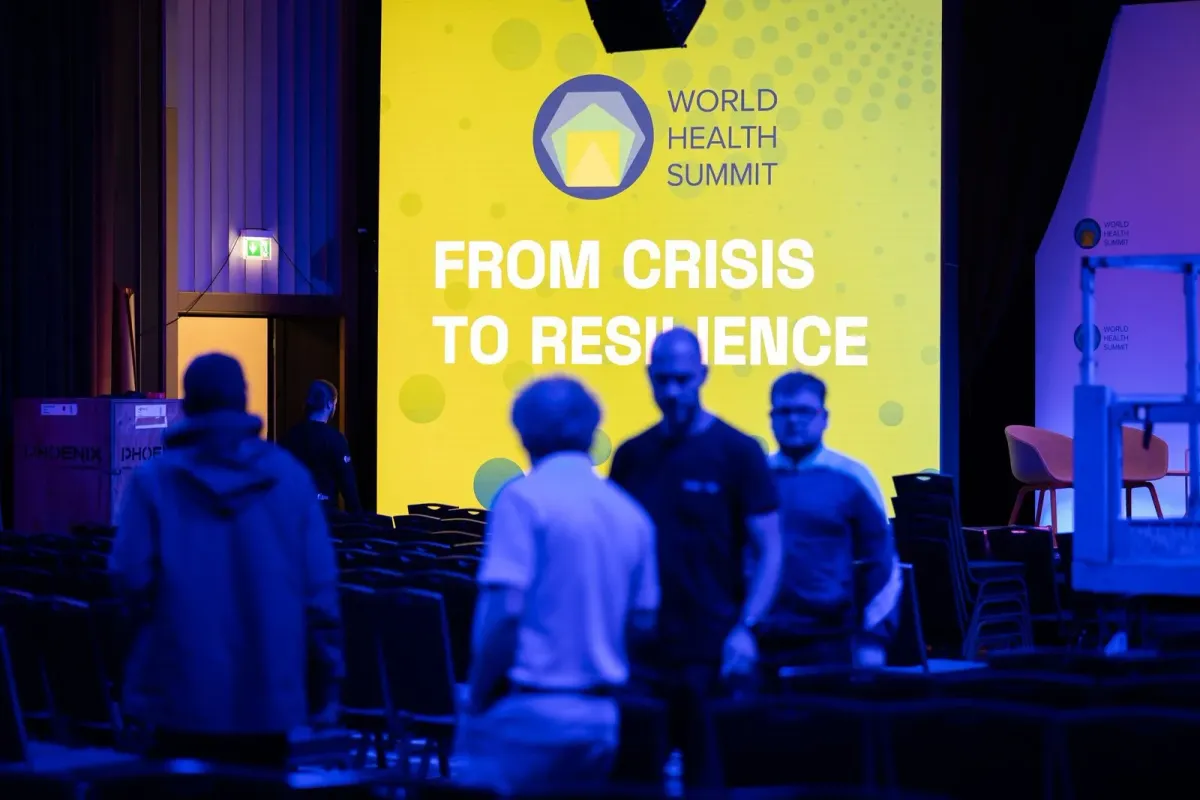
Germany’s top climate civil servant questioned a poor-country negotiator’s figure on how little climate finance reaches health. The resistance sets the stage for an uphill battle for the health world to get the urgently needed money to adapt to the climate crisis next month. BERLIN – Germany’s top climate civil servant pushed back on Monday against a call from the world’s poorest countries for more climate finance for health. The money fight of COP31 opens officially in Antalya, Türkiye, next month. In the halls of the World Health Summit in Berlin, it’s already started.
Health Policy Watch·

Health
Cull the deer, crush the ticks - Halifax Examiner
Nova Scotia has a deer problem—and a tick problem that rides on its back. Blacklegged ticks, the vector for Lyme disease, have made this province the hardest hit in Canada. Many of us know someone — a neighbour, a coworker, a child — whose life has been upended by this disease.
Halifax Examiner·