“How are you doing?” “Are you sleeping well?” “Do you drink?” These are typical opening questions a mental-health professional might ask a patient.
Soon, another question may be added to the list: “How do you use artificial intelligence (AI)?”
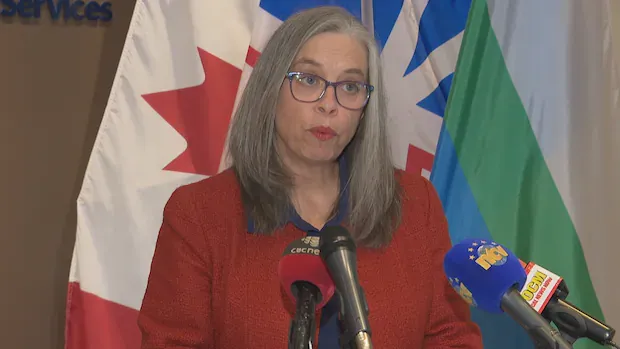
In Winnipeg, federal Health Minister Marjorie Michel federal funding of up to $6 million over three years to create more career opportunities for international medical graduates in rural Manitoba. Michel is joined by Uzoma Asagwara (Manitoba health minister), Doug Eyolfson (Liberal MP, Winnipeg West), and Kathy Valentino (president, Association of Manitoba Municipalities). (no interpretation) (October 14, 2026)
On Oct. 8, the British Columbia Provincial Nominee Program (BCPNP) invited no fewer than 284 candidates working in care-related occupations and construction trades to apply for provincial nomination.
British Columbia's care-related selections encompassed workers in health care, child care, and veterinary care occupations.
Health and FluLarkins, ONUpdated on Friday, October 16thWeather Impact on Health ConditionsContent continues belowContent continues belowRelatedWhy you should align your spine ahead of the colder months Simple diet swaps to support your immune system this fallSevere dust pollution blowing into Alberta community downwind of the oilsands
PRINCE GEORGE — Northern B. C. continues to be hit particularly hard by the toxic drug crisis, with new preliminary data showing Northern Health has the highest rate of unregulated drug deaths in the province this year. According to the BC Coroners Service, Northern Health has recorded a rate of 43 deaths per 100,000 people in 2026, ahead of Island Health at 34 per 100,000. The Northern Interior is also among the health service delivery areas with the highest death rates in B. C., while Nechako is among the local health areas recording the highest rates. Prince George has recorded 36 unregulated drug deaths so far in 2026. That compares with 67 in all of 2025 and 107 in 2024.
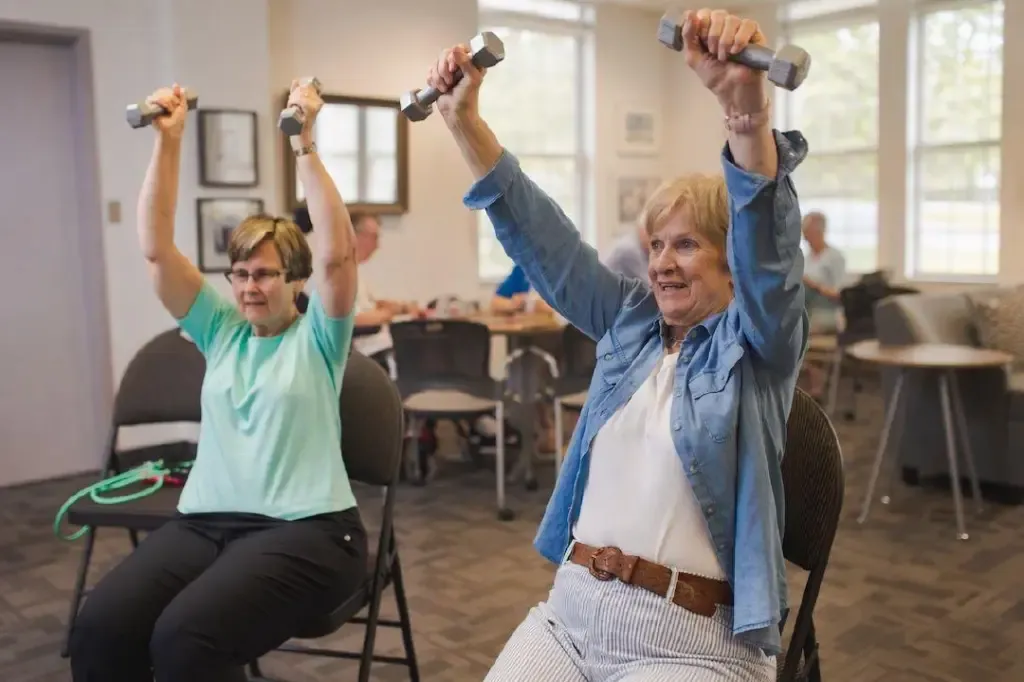
Seniors living in Kelowna can get a health assessment at the H2O Adventure and Fitness Centre.
Taking place on Friday, Oct. 16, assessments are expected to take an hour and will include simple, non-invasive tests that measure cardiovascular endurance, balance, flexibility, blood pressure, strength, agility and mobility.
National Infection Control Week is an opportunity to recognize the importance of infection prevention and control within our healthcare system.
This year’s theme is “IPAC: Powered by You”, and we are featuring some of the dedicated Infection Prevention & Control (IPAC) individuals from across the province who are powering safer environments for patients/residents and empowering our healthcare teams.
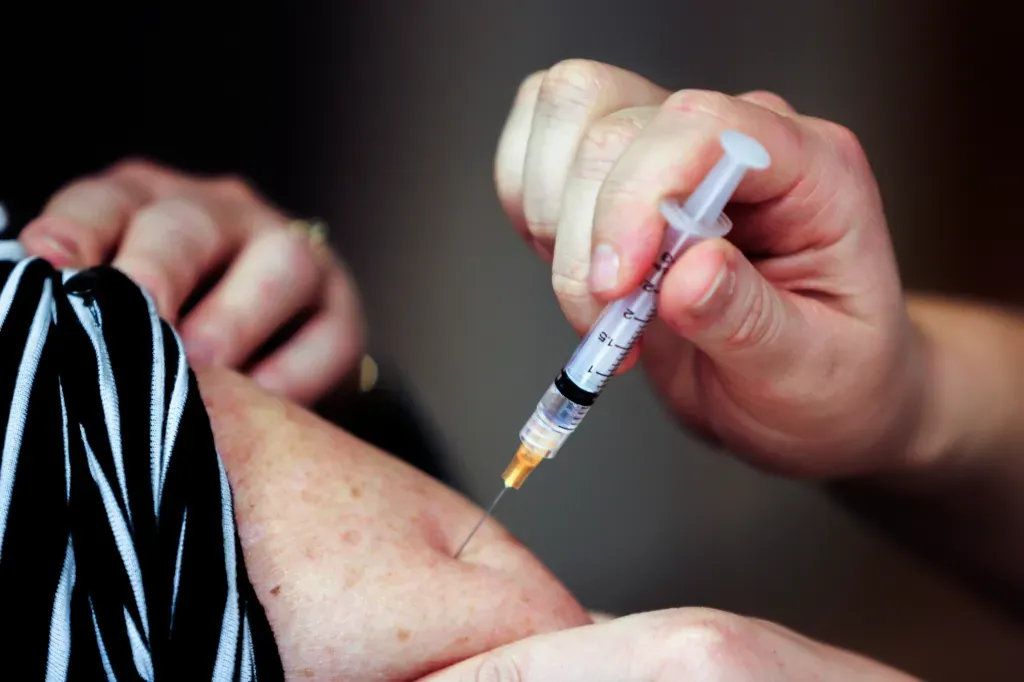
The flu shot campaign in Saskatchewan officially began on October 13, 2026 and the Lac la Ronge Indian Band’s Health Services is hosting a two-day Health Fair at the Jonas Roberts Memorial Community Centre (JRMCC).
At the Health fair they are offering flu vaccinations, health information and fresh vegetables.
ChathamBy Paul PedroOctober 14, 2026 - 3:30pmChatham-Kent (CK) Public Health has issued an alert warning the community about an increase in drug overdoses and unexpected reactions to substances in Chatham‑Kent. The health unit reported CK EMS responded to 13 suspected opioid overdose calls between Friday and Tuesday, exceeding the community's usual rate of opioid-related emergency calls. "The alert comes after Windsor-Essex issued two public drug poisoning alerts over the past two weeks," CK Public Health said. "Chatham-Kent has historically seen increases in suspected drug poisonings in the weeks following similar alerts in neighbouring jurisdictions, highlighting the importance of increased community awareness and harm reduction measures at this time. "According to CK public health officials, local partners have noted increased use of naloxone, strong sedation, and concerns about a highly toxic drug supply. "This serves as an important reminder that the unregulated drug supply is unpredictable and always changing. Substances may not be what individuals expect, increasing the risk of harm or death," CK Public Health added.
Quebecers can now schedule their fall vaccinations against influenza, COVID-19 and RSV, as health officials warn flu season could arrive earlier than usual this year.
Appointments opened Tuesday, with vaccinations beginning Oct. 20. The province is urging people at greater risk of serious illness to get vaccinated early, while changes to this year’s campaign mean some Quebecers will no longer qualify for a free flu shot.
Pretty much everyone has an opinion on how many steps you should take in a day. My Oura Ring sets a goal based on how much rest I got the night before, while influencers online always seem to be peddling the magical 10,000-step count. And it’s not just influencers. At this point, we’ve all heard about the 10,000-step rule, whether it’s something your mom’s walking group aims for, your high-achieving friend hits like clockwork, or a goal you feel internal pressure to hit. But this number is more arbitrary than you think. Though the 10,000-step rule of thumb—which shakes out to about five miles—has been around since the 1960s, there’s little evidence to support that it should be your target, according to a 2022 review in The Lancet. Luckily, there is some newer research that helps clarify what an ideal step goal is, and spoiler alert: It’s lower than 10,000 per day. Here’s how to determine how much you should actually walk per day, according to experts. Meet the experts: Alexander Rothstein, CSCS, ACSM-EP, is an exercise physiologist and instructor for the exercise science program at the New York Institute of Technology. Laura A.
Seniors Together Community Café are having free coffee drop-ins for seniors in South Surrey and White Rock to talk about mental health.
Hosted by Together, the meetings will take place on the third Monday of each month at Amica White Rock from 1:00 p.m to 2:30 p.m. and the first Wednesday of each month at Roadhouse Grille from 12:45 p.m. to 2:15 p.m.
Cancer is one of the leading causes of morbidity and mortality worldwide, affecting 92% of families around the world, according to the latest estimates from the World Health Organization (WHO) Global status report on cancer 2026. The highest health, social and economic burdens occur in low- and middle-income countries, where limited access to high-quality care causes avoidable harm to communities. Determined to improve access to quality cancer care internationally, WHO and the American Society of Clinical Oncology (ASCO) have signed a collaboration agreement, with the joint objective of elevating quality as a priority in the global cancer agenda and supporting governments in implementing programmes that improve access and, ultimately, survival. The new agreement between ASCO and WHO prioritizes three defined areas: capacity building in core health professional competencies in cancer care; improving access to cancer clinical trials; and strengthening quality, accessibility and accountability in cancer care. “This agreement is a pivotal step in our collective effort to improve access to quality cancer care globally.
Nfld. & LabradorVaccination clinics for influenza and COVID-19 begin Monday, Oct. 19. Vaccination clinics begin Oct. 19CBC News · Posted: Oct 14, 2026 3:22 PM EDT | Last Updated: October 14Listen to this articleEstimated 2 minutesThe audio version of this article is generated by AI-based technology. Mispronunciations can occur. We are working with our partners to continually review and improve the results. Dr. Janice Fitzgerald is Newfoundland and Labrador's Chief Medical Officer of Health. (Mark Quinn/CBC)The province's chief medical officer of health says this time of year, influenza cases are usually "sporadic" in Newfoundland and Labrador. But there are more confirmed cases than usual and she's urging people to get their flu shot as soon as possible. "We are seeing double digit cases, like you know, fifteen or sixteen cases that we've had so far this year, which is a little bit more than what we normally see," said Dr. Janice Fitzgerald. "Normally it's very sporadic, you know, a case here, a case there, in October. So yeah, it's a little bit more than what we would expect, still not huge numbers, but definitely more than than we normally would see this time of year.
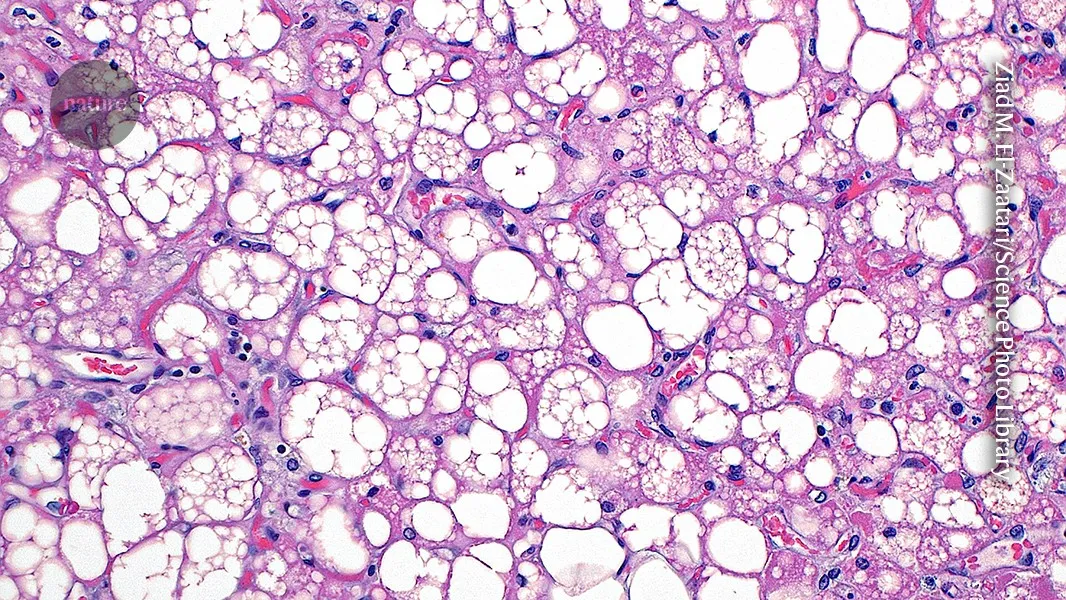
Brown fat (shown here in a light-microscopy image) burns calories to generate heat. Credit: Ziad M. El-Zaatari/Science Photo LibraryWhen people think of fat, they typically picture the jiggly tissue around the belly that stores extra calories. That’s white fat. But there’s another type, called brown fat, that does the opposite. Typically found around the neck, armpits and in the chest, brown fat burns calories to generate heat and has been linked to health benefits. Fat cells have a ‘memory’ of obesity — hinting at why it’s hard to keep weight offA study of more than 100,000 people — the largest of its kind — is now expanding that list of benefits. It revealed that people with ‘active’ brown fat are less affected by a number of health issues, including type 2 diabetes, depression and anxiety, than are those without it. Researchers used an artificial-intelligence model to quantify, from scans, the participants’ active brown fat, which is fat that is ‘turned on’ and burning calories. They concluded that the more active brown fat people have, the greater the protection they have from disorders and diseases. The findings were published today in Nature1.