Cull the deer, crush the ticks - Halifax Examiner
This story deserves to be shared
Send it to someone who'd care, or post it on your networks.
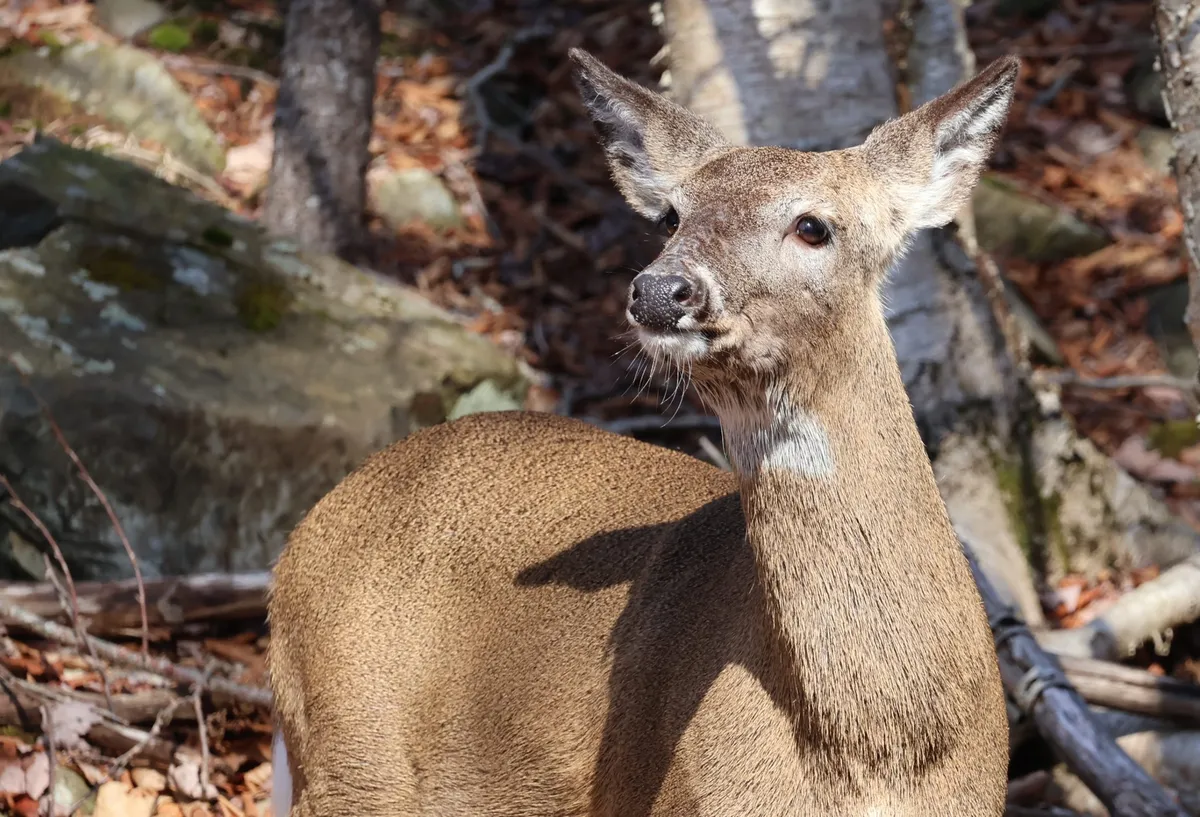
Nova Scotia has a deer problem—and a tick problem that rides on its back.
Blacklegged ticks, the vector for Lyme disease, have made this province the hardest hit in Canada. Many of us know someone — a neighbour, a coworker, a child — whose life has been upended by this disease.
This article is an excerpt. To read the full content, visit the original source. Halifax Examiner
Related articles
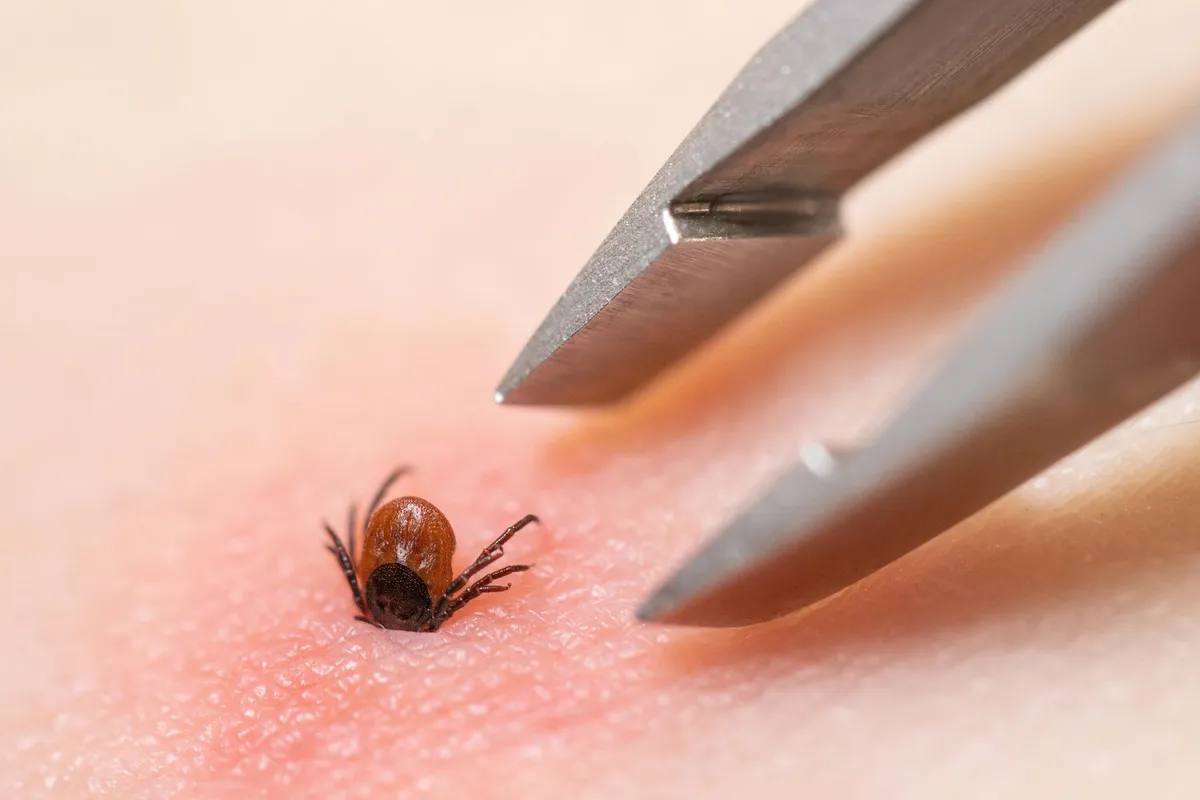
Ticks don’t quit in the fall: what to check after a brisk walk outside - haligonia.ca
The first frost doesn’t mean you can stop checking for ticks. In Nova Scotia, adult blacklegged ticks, the kind that can carry Lyme disease, are most active in the spring and fall, and the province says they stay active until temperatures are consistently below 4°C. That keeps leaf raking, trail walks and dog walks squarely in tick season this month. Ticks don’t need summer heat, either. The Public Health Agency of Canada says they can be active whenever the temperature is consistently above freezing and the ground isn’t covered by snow, and at any time of year when conditions are right.
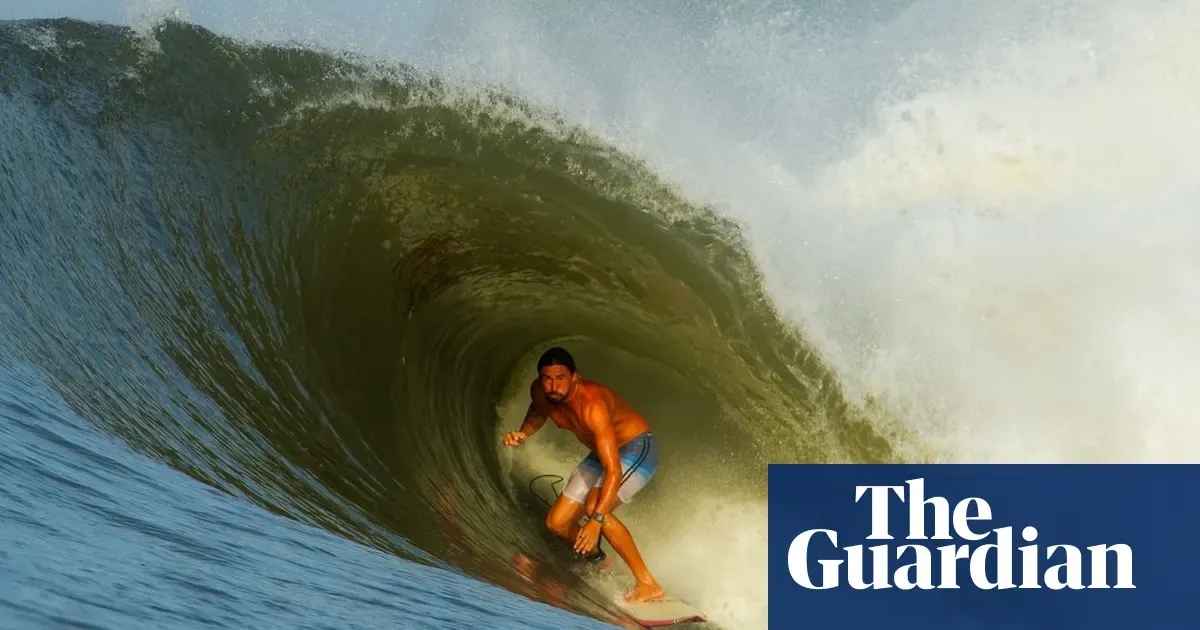
Climate crisis is coming to crush many of world’s best surf breaks, study warns - The Guardian
The climate crisis is coming for some of the world’s greatest surf breaks, submerging some as sea level rises and wiping out others as classic breaks get crushed against coastal developments. Analysis of dozens of famous waves in world surfing reserves (WSR) found more than three-quarters were at high risk because of changing tide levels, hardened shorelines and shifting sands. The impacts matter not only to the surfers catching the waves but also to the communities that depend on the multibillion-dollar surf economy, often located in places with little else. The waves rated at most risk in the study include the “bombing barrels” of Croyde beach in north Devon, UK, the point breaks at Noosa in Australia and Oriente Salvaje, El Salvador, and Santa Cruz reefs of California such as Sewer Peak and Wind and Sea. Croyde’s heavy wave is considered the best beach break in the UK. Photograph: Rob TibblesThe best surfing waves are created by intricate combinations of sea-floor shape, swell direction and tide.
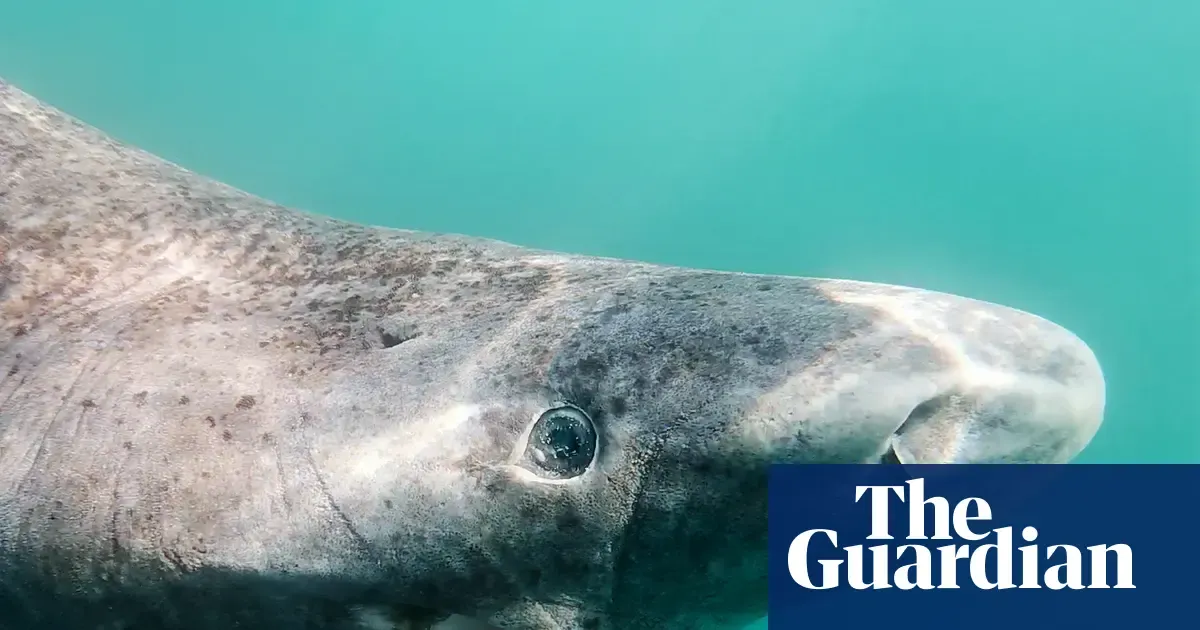
To cull or not to cull: Greenland debates fate of world’s slowest shark - The Guardian
‘When I accidentally catch a shark, I bring it to my dogs,” Henrik Jensen, a 27-year-old from Greenland’s west coast, says casually. “I don’t let it back down because [the sharks] bully me and cut my lines.”Jensen has fished for halibut in Ilulissat, Greenland’s third largest town, for a decade. He works an hour north of the town’s main iceberg-laden fishery, which sustains the livelihood of nearly 400 fishers. There, the halibut are bigger and more plentiful, but so are the Greenland sharks. “This year I’ve lost around 6,000 hooks in total. Sometimes we lose 30,000 Danish krone [£3,440] a day,” says Jensen. The Greenland shark is one of the least understood species on the planet. As well as being the world’s slowest shark, it is the second-largest carnivorous species, after the white shark, according to the Shark Trust. Reaching about six to seven metres in length, they can live for more than 400 years. For a long time they were thought to be completely blind, although scientists have recently discovered this may not be true.
0 comments
No comments yet. Be the first to share your thoughts!