There’s something alive in fog — and it’s eating pollution
This story deserves to be shared
Send it to someone who'd care, or post it on your networks.

Fog is alive with bacteria that eat pollution, new study findsThere’s something living inside of fog. Yes, really, and this new study just discovered it. Fog is actually full of so much life that the researchers liken it to a vast aquatic ecosystem unto itself. What is fog? To start with the basics, fog is basically just a cloud that is low to the ground: water vapor that has condensed or frozen to form tiny droplets or crystals in the air. The most common form of fog is known as radiation fog, and that’s what these researchers collected samples of to test in their study. It typically occurs on clear nights as the ground cools the moist air immediately above it. Studying fog isn't easy, especially if we want to know how the bacteria in the air changes over the course of hours. We’d want to try to sample the same air before, during and after the fog appears, but wind can move everything around. That’s why this specific type of more still and stagnant fog was used. A foggy post-sunset scene in Dartmoor woods in England.(Simon Hodgkiss via Getty Images)Fog as a habitat and what’s living in itResearchers found millions of bacteria inhabiting the fog droplets.
This article is an excerpt. To read the full content, visit the original source. The Weather Channel
Related articles
What is freezing fog? Plus, how to stay safe when it hits
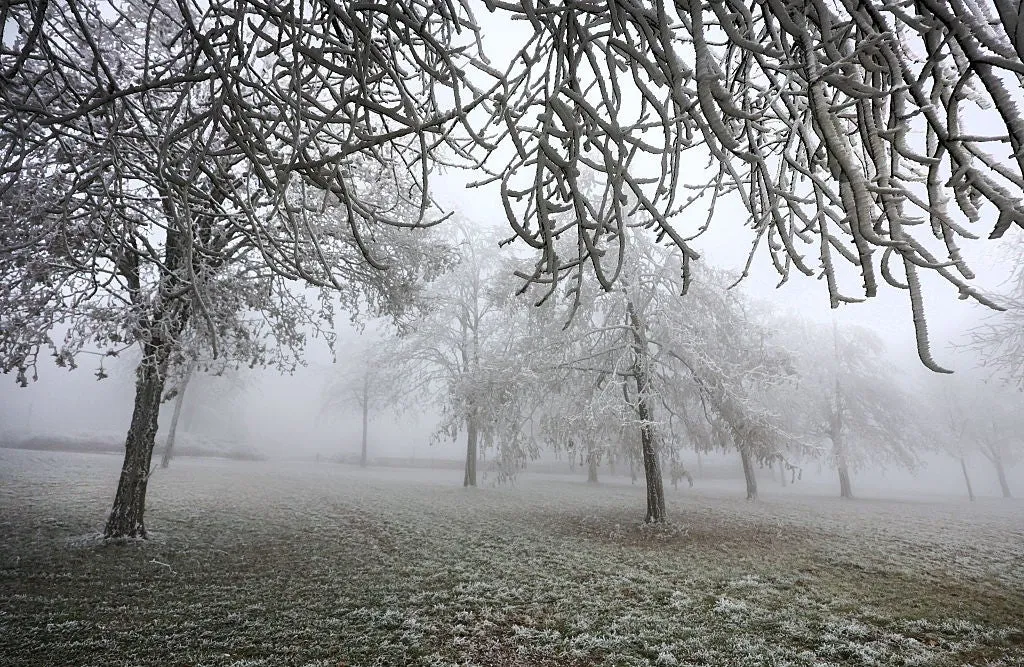
Freezing Fog: What Is It And How Can It Impact You? As temperatures begin to drop below freezing, fog can become a much more dangerous threat, turning a normal commute into a travel nightmare. Fog often forms when air near the ground cools enough that water vapor in the air condenses into tiny suspended water droplets. This typically occurs at night and in the early mornings when Earth’s surface loses heat. But when the air temperature is below freezing (32 degrees Fahrenheit), these water droplets are “supercooled,” meaning they’re liquid even though it’s below freezing. When this happens, it’s known as freezing fog. Freezing fog can be extremely dangerous because when these water droplets land on surfaces like roads, trees and sidewalks, they instantly freeze on contact, creating a thin, nearly invisible layer of ice. 18 January 2026, Baden-Württemberg, Uttenweiler: Trees covered in hoarfrost stand in a meadow in Upper Swabia. Photo: Thomas Warnack/dpa(Thomas Warnack/picture alliance via Getty Images)Freezing fog can cause black ice to form on sidewalks and roadways. Black ice is difficult to see because it’s thin and clear, but it’s also particularly dangerous to drive on.

Driving in fog: 5 tips to stay safe on the road
Foggy mornings are common during fall when warm lakes meet cool autumn air. DON'T MISS: Winter can wait: Exceptional El Niño favours an extended fallReduced visibility can make driving tricky, but these five tips will help improve road safety:1. Use Low BeamsHigh beams cause glare as light reflects off fog droplets, impairing vision further. Stick to low beams for better visibility.2. Listen for TrafficKeep music off and lower your windows. Sound becomes crucial in detecting other vehicles in dense fog.3. Avoid Cruise ControlMaintain manual control of your speed to adjust quickly if visibility suddenly worsens.4. Increase Following DistanceKeep 5-6 seconds of space between your vehicle and others to allow ample reaction time. Content continues below5. Use Defrosters and WipersPrevent condensation buildup on your windshield by turning on the defroster and wipers. DON'T MISS: It’s not your imagination—here’s why fall is the foggiest seasonImplementing these practices ensures safer driving in foggy conditions. Always stay alert and adjust driving habits to match visibility on the road. WATCH: Why is fall the foggiest season?
Orionid meteor shower 2026: cloud cover forecast by region
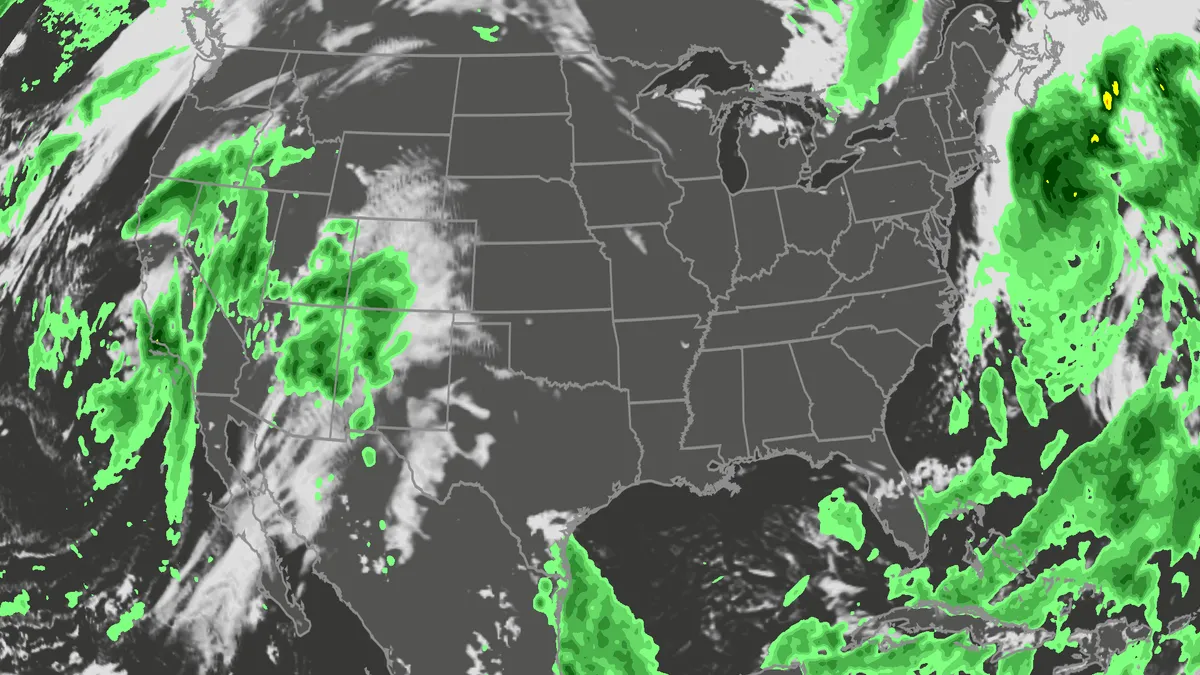
A meteor streaks across the sky over a desert in China during the Orionid meteor shower on Oct. 22, 2023.(VCG/VCG via Getty Images)The Orionid meteor shower is peaking this week, and it promises to be one of the most dazzling displays of the year. And while some of you will have clear skies, rain and clouds could impact the view for others. Here's what you need to know about the Orionids and your forecast:Fast factsPeak day: The meteor shower peaks Wednesday night, Oct. 21, into the early hours of Thursday morning, Oct. 22. Peak time: From midnight to dawn are the best hours to catch the meteors streaking through the sky, so plan on a late night or really early morning. What the Orionids are known for: The Orionid meteors are known for their brightness and their speed. As they streak across the sky at around 41 miles per second, the meteors leave behind a glowing "train" that can last several seconds to minutes. While you can make the perfect plan to catch the Orionids, the key to stellar viewing is still in Mother Nature's hands. The good news is that many of you should have good meteor shower-watching conditions. Much of the central and eastern U. S.
Can duct tape keep out flood water? Here's what lab tests found
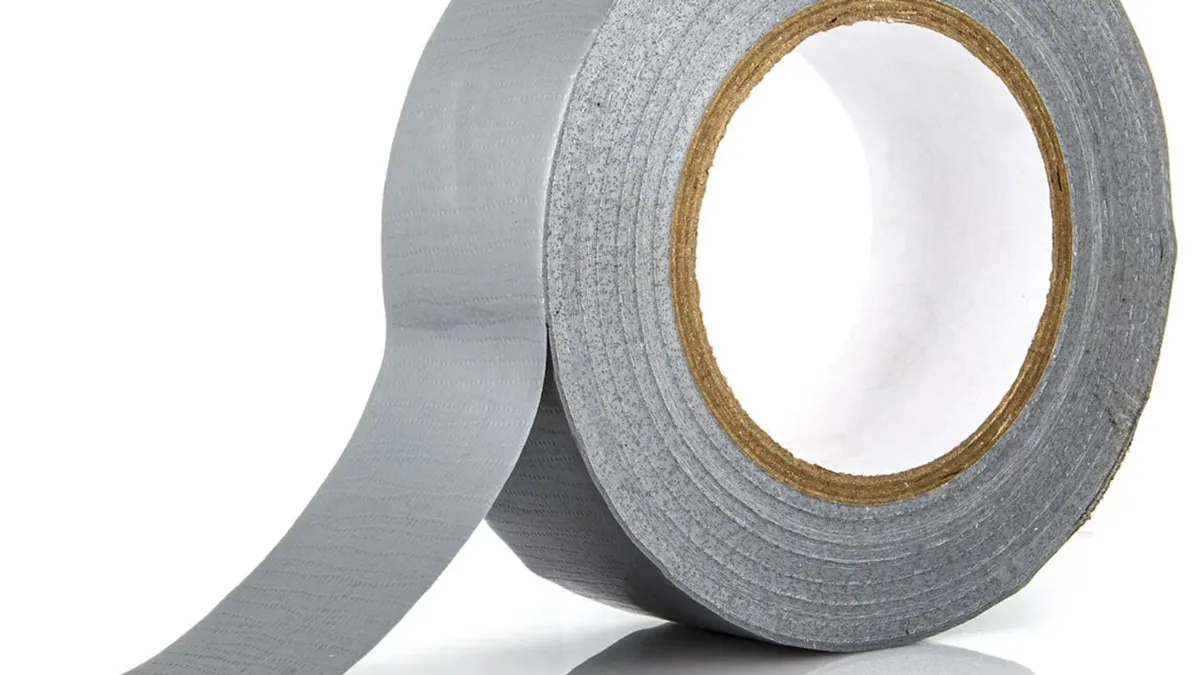
(urbanbuzz/shutterstock)Could a cheap roll of duct tape help protect your home from flooding? New research suggests it could make a surprisingly big difference. In controlled tests, correctly applied duct tape on the outside of a household door reduced water leakage by 97-98%. The findings suggest that a simple low-cost measure could substantially reduce the amount of water entering a home during a flood. This is important as one of the key lessons from flood resilience research is that the best time to protect a property is before floodwater arrives. The UK government’s 2025 FloodReady Review called for practical, affordable measures that help households understand their risks and to prepare for flooding. And one potential contribution to this agenda might sound unlikely, at first glance. Duct tape is more commonly associated with household repairs than flood protection. However, tests colleagues and I conducted at the University of Hull demonstrated how much water can enter a property through an unprotected doorway during a flood. Three doors, ready for flood-testing.
0 comments
No comments yet. Be the first to share your thoughts!