WEATHER NOTICES: Fog advisory and rainfall up to 25 mm in southern Ontario - insauga.com
This story deserves to be shared
Send it to someone who'd care, or post it on your networks.
This article is an excerpt. To read the full content, visit the original source. insauga.com
Related articles
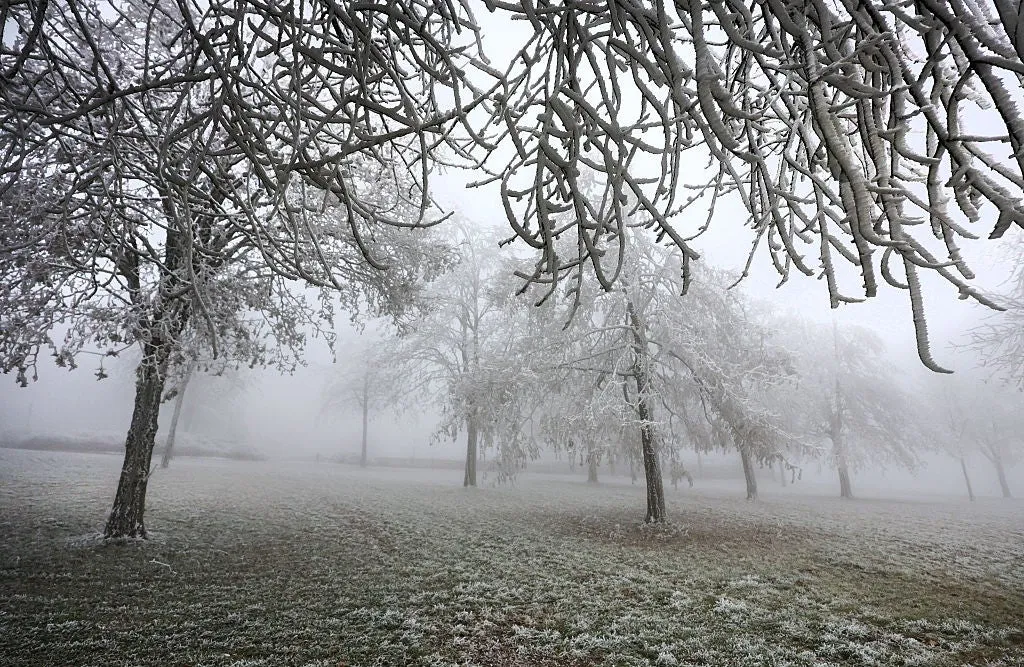
What is freezing fog? Plus, how to stay safe when it hits
Freezing Fog: What Is It And How Can It Impact You? As temperatures begin to drop below freezing, fog can become a much more dangerous threat, turning a normal commute into a travel nightmare. Fog often forms when air near the ground cools enough that water vapor in the air condenses into tiny suspended water droplets. This typically occurs at night and in the early mornings when Earth’s surface loses heat. But when the air temperature is below freezing (32 degrees Fahrenheit), these water droplets are “supercooled,” meaning they’re liquid even though it’s below freezing. When this happens, it’s known as freezing fog. Freezing fog can be extremely dangerous because when these water droplets land on surfaces like roads, trees and sidewalks, they instantly freeze on contact, creating a thin, nearly invisible layer of ice. 18 January 2026, Baden-Württemberg, Uttenweiler: Trees covered in hoarfrost stand in a meadow in Upper Swabia. Photo: Thomas Warnack/dpa(Thomas Warnack/picture alliance via Getty Images)Freezing fog can cause black ice to form on sidewalks and roadways. Black ice is difficult to see because it’s thin and clear, but it’s also particularly dangerous to drive on.
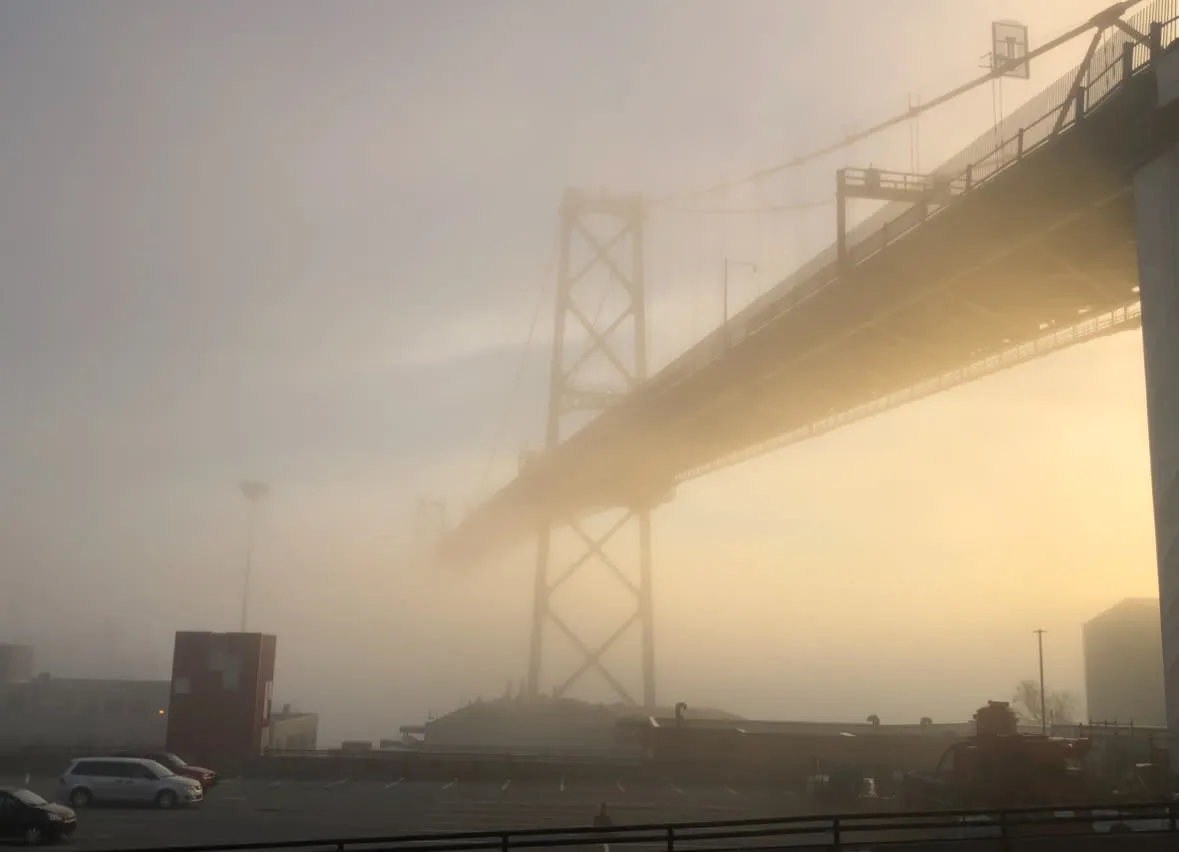
Driving in fog: 5 tips to stay safe on the road
Foggy mornings are common during fall when warm lakes meet cool autumn air. DON'T MISS: Winter can wait: Exceptional El Niño favours an extended fallReduced visibility can make driving tricky, but these five tips will help improve road safety:1. Use Low BeamsHigh beams cause glare as light reflects off fog droplets, impairing vision further. Stick to low beams for better visibility.2. Listen for TrafficKeep music off and lower your windows. Sound becomes crucial in detecting other vehicles in dense fog.3. Avoid Cruise ControlMaintain manual control of your speed to adjust quickly if visibility suddenly worsens.4. Increase Following DistanceKeep 5-6 seconds of space between your vehicle and others to allow ample reaction time. Content continues below5. Use Defrosters and WipersPrevent condensation buildup on your windshield by turning on the defroster and wipers. DON'T MISS: It’s not your imagination—here’s why fall is the foggiest seasonImplementing these practices ensures safer driving in foggy conditions. Always stay alert and adjust driving habits to match visibility on the road. WATCH: Why is fall the foggiest season?
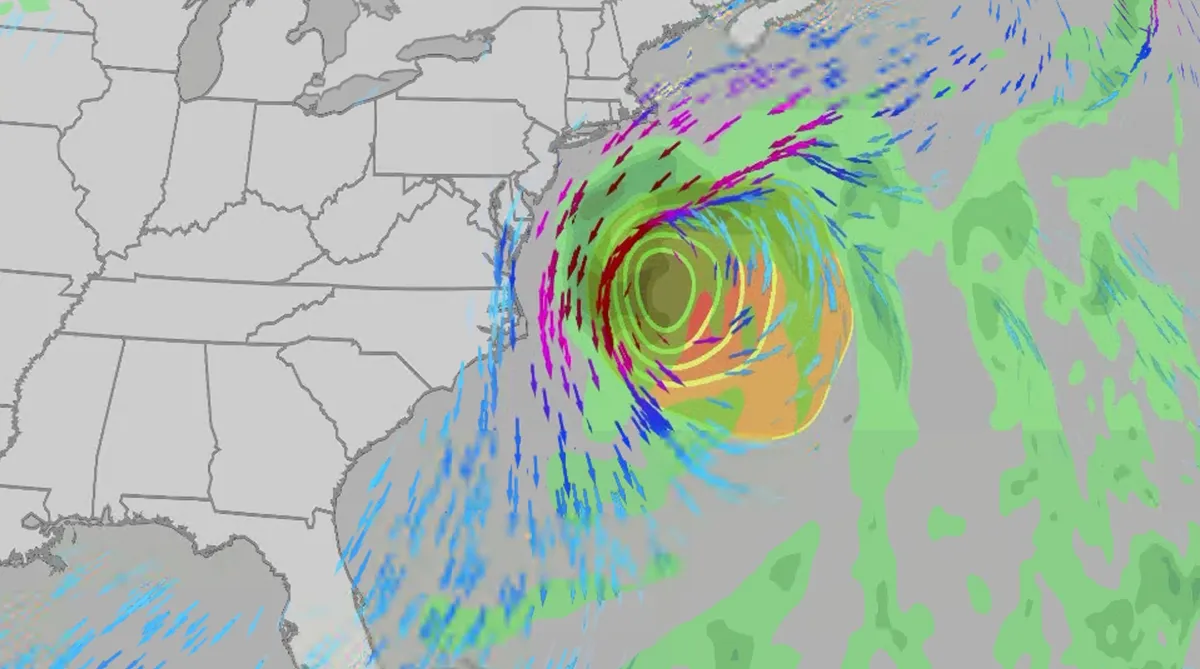
Nor' easter to bring coastal flooding, winds to East Coast
An October nor'easter is developing in the Atlantic, where it will bring high surf, rip currents, coastal flooding, winds and rain to parts of the East Coast for several days this week. The National Hurricane Center has it highlighted as an area to watch this week for potential subtropical development. However, regardless of development, this system will bring dangerous conditions to the East Coast this week. Fortunately, this system doesn't look to be as strong as the one in September. But the bad news? It could linger for much of the week, so impacts could have a longer duration than you would think. There are currently coastal flood alerts across parts of coastal North Carolina and Virginia, where anywhere from 1 to 4 feet of inundation is possible. Key takeawaysWe do not expect this storm to be as strong as the late September nor'easter. The area most likely impacted the longest appears to be from the Delmarva Peninsula to eastern North Carolina, with more models pointing to primarily eastern North Carolina.
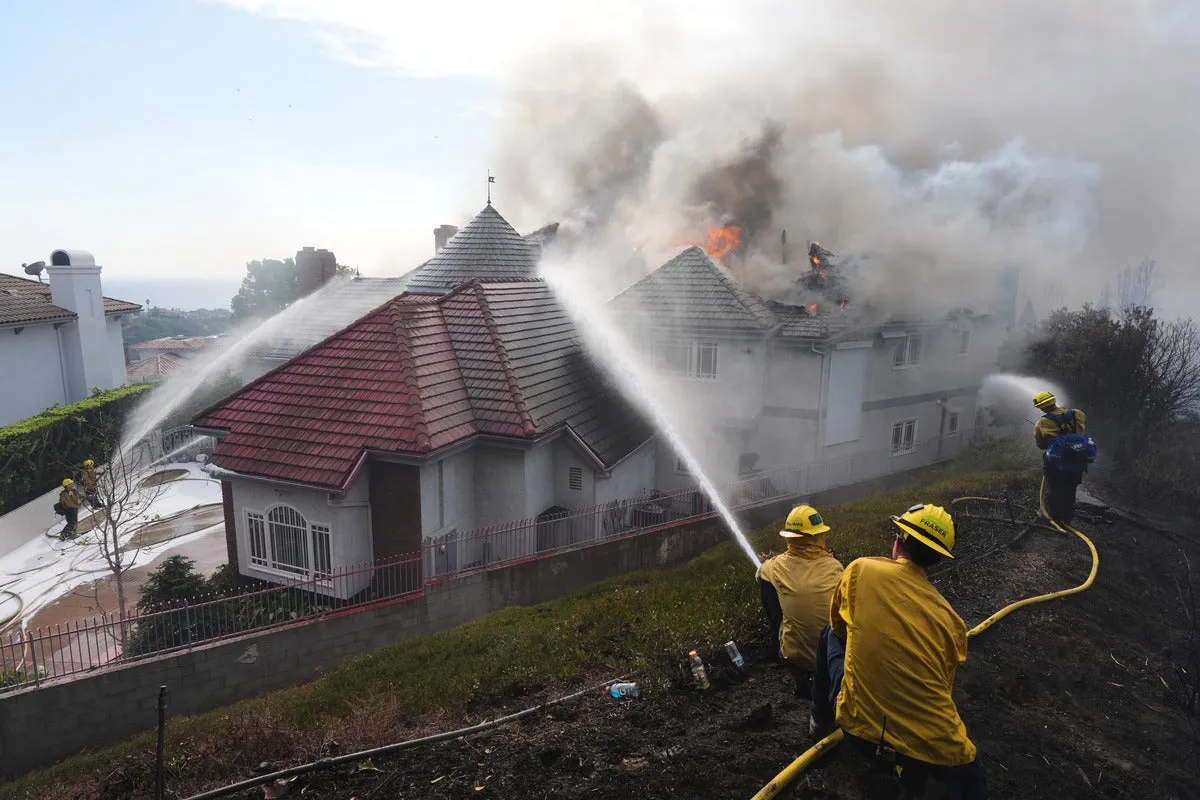
Coastal homes burn as hot winds fuel California wildfires
Thousands evacuate Southern California as wind-fueled fires burn homesFire crews in Southern California gained ground Saturday on a wind-driven blaze that charred hills and damaged or destroyed at least six large coastal homes, allowing evacuation orders to be lifted and thousands of people to return home. The fast-moving Norte Fire sparked the previous day in San Clemente amid hot, strong Santa Ana winds that drove it into San Juan Capistrano, prompting the evacuation of about 16,000 residents. Firefighters work to douse a house fire during the Norte Fire on Friday, Oct. 16, 2026, in San Juan Capistrano, Calif.(AP Photo/Jae C. Hong)Hundreds of firefighters deployed to combat the blaze in the hills of Orange County. At one home engulfed in smoke and fire, photos showed them using hoses to try to douse the flames. Most of the evacuations were lifted Saturday evening, except for one street in San Clemente. The Norte Fire was one of several in the region hit by the Santa Anas, which blow from the interior and toward the coast.
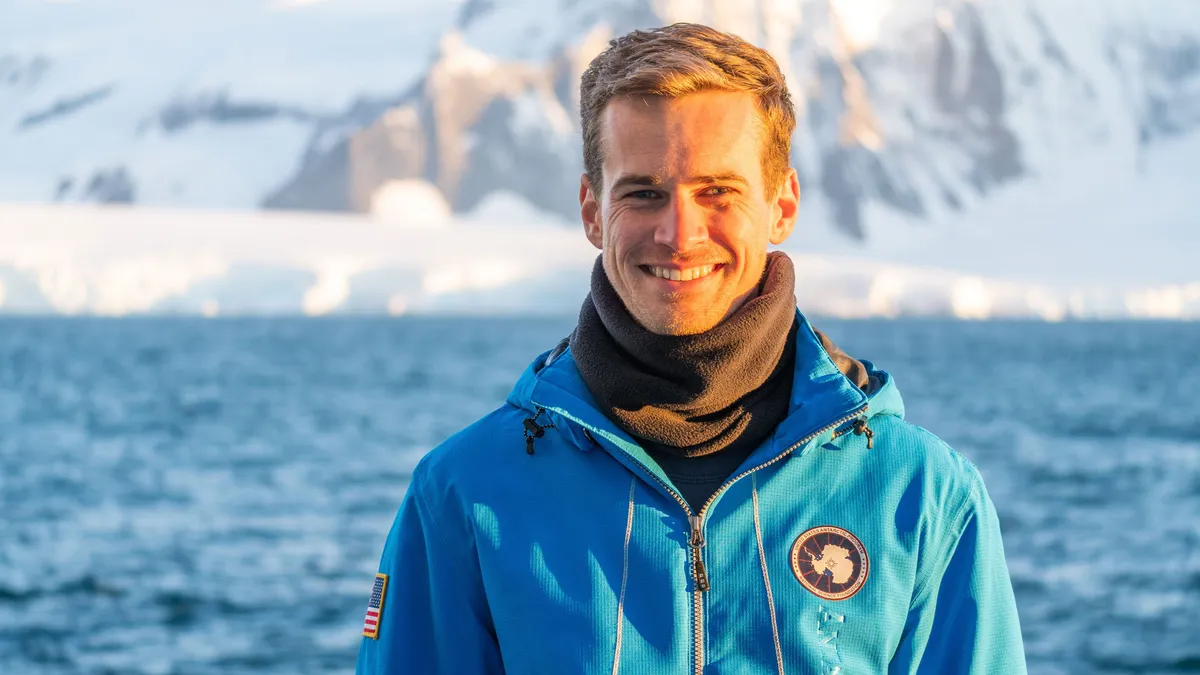
Meet the marine technician documenting Antarctica's beauty while protecting its future
Marine technician crosses world's roughest sea to document AntarcticaFor Andrew Naslund, Antarctica is his “favorite place in the world.”He’s a marine technician for Scripps Institution of Oceanography. And while not a professional photographer, he’s capturing Antarctica’s beauty along his research journey. Andrew Naslund, Scripps Institution of Oceanography marine technician.(Andrew Naslund)The researchNaslund spends months aboard a research vessel, the R/V Roger Revelle (AGOR 24), which he describes as “basically a floating laboratory.”“The purpose of this ship is to provide a platform for scientists to reach some of the most remote reaches of our oceans,” Naslund said. A big part of his role is assisting the scientists to safely deploy and recover their instrumentation over the side of the ship. He also keeps track of incoming data, ensuring the scientists are getting the information that they came out there to get. “[We’re] a mobile weather station. So anywhere that we travel in the world, we’re collecting meteorological weather data,” he says.
0 comments
No comments yet. Be the first to share your thoughts!