The fitness test that predicts your risk of death - BBC
This story deserves to be shared
Send it to someone who'd care, or post it on your networks.

How quickly your heart rate returns to normal after exercise can reveal a surprising amount about your underlying health. If your heart hammers in your chest when you walk up the stairs, or you need to gasp for air while jogging to catch a bus, it may be a sign that you are not in peak physical shape. Yet what happens after you stop exercising can be just as revealing about the inner workings of your body. Enter the heart rate recovery (HRR) test. This is the difference between your pulse when your heart is pumping hard during exercise, and how fast it beats about a minute after you have finished. But your HRR is also so much more than that. A poor result can act as an early warning sign, helping to uncover hidden problems with the rest of the body. Crucially, that includes your overall risk of death. Back in 1999, scientists from the Cleveland Clinic, Ohio, published some striking results. They had tested the HRRs of 2,400 adults, then followed them for six years. The team found that people with low heart rate recovery were around four times more likely to die during the study period.
This article is an excerpt. To read the full content, visit the original source. BBC
Related articles
Quality of life and associated factors in patients three months after spinal tumor surgery - Nature
We’re sharing this article early to provide faster access to peer-reviewed, accepted research. It is citable and carries a permanent DOI. This version is subject to further edits and will be replaced automatically by the final Version of Record. All legal disclaimers apply. AbstractSpinal tumors constitute a heterogeneous group of neoplasms that may lead to neurological deficits, pain, and functional impairment. Beyond tumor biology and oncological treatment, patients’ quality of life (QoL) is shaped by psychosocial adaptation, yet early postoperative data are limited. This study evaluated QoL, functional independence, illness acceptance, and perceived social support three months after spinal tumor surgery to characterize early recovery needs. Sixty-seven patients were evaluated using four standardized instruments: the World Health Organization Quality of Life-BREF (WHOQOL-BREF), Zimet’s Multidimensional Scale of Perceived Social Support (MSPSS), the Lawton Instrumental Activities of Daily Living Scale (I-ADL), and the Acceptance of Illness Scale (AIS).
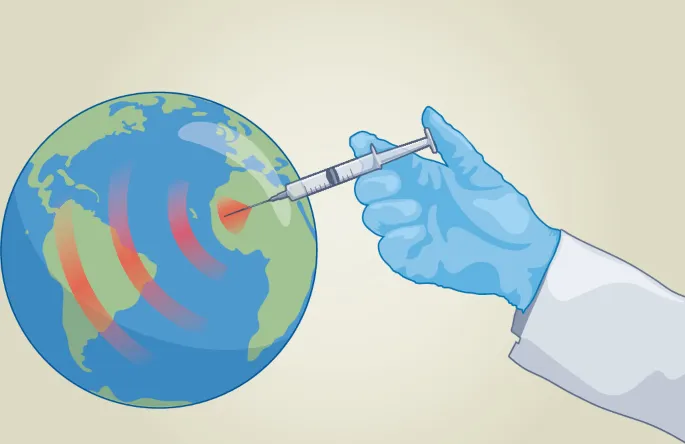
The need for resilience in global vaccination programs - Nature
New studies of trends in the global burden of measles and pertussis offer a reminder of how much vaccination has achieved and a warning of the need to build more resilient and sustainable vaccination programs. This is a preview of subscription content, access via your institution
0 comments
No comments yet. Be the first to share your thoughts!