GLP-1 Drugs Linked to Reduced Alcohol Consumption - Medscape
This story deserves to be shared
Send it to someone who'd care, or post it on your networks.
This article is an excerpt. To read the full content, visit the original source. Medscape
Related articles
Vitamin D May Benefit People With Mild Cognitive Impairment - Fisher Center for Alzheimer's Research Foundation
Older adults with mild cognitive impairment and sleep problems may benefit from supplements containing relatively high doses of vitamin D,…
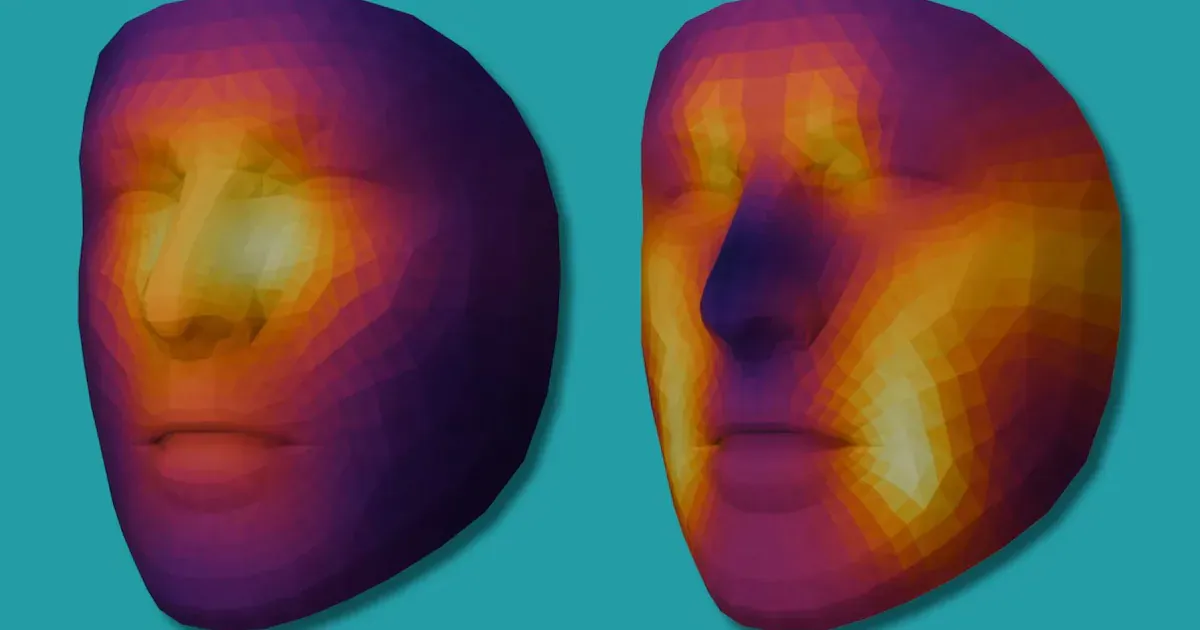
How a photo of a person’s face could help predict whether they’ll survive cancer treatment - CTV News
AtlanticNova ScotiaNew BrunswickPrince Edward Island Newfoundland and LabradorCalgaryLethbridgeKitchenerGuelphNorthern OntarioSudburyNorth BaySault Ste. MarieTimminsOttawaKingstonBrockvillePembrokeReginaYorktonSaskatoonPrince AlbertTorontoWatchWeatherPeelHamiltonDurhamYorkHaltonNiagaraQueen's ParkToronto City HallIn PicturesVancouverVancouver IslandCanadaLocal SpotlightRoyal FamilyPoliticsNanosPower PlayQuestion PeriodFederal Election 2025WorldMideast ConflictRussia-Ukraine WarWatchLatestCaptured on CameraPoliticsLifestyleConsumerHealthExplainedEntertainmentTechnologyDeception DecodedAutosEnvironmentBusinessInflationReal EstateAutos
Health professionals put healthcare access first for heart health: survey - Benefits and Pensions Monitor
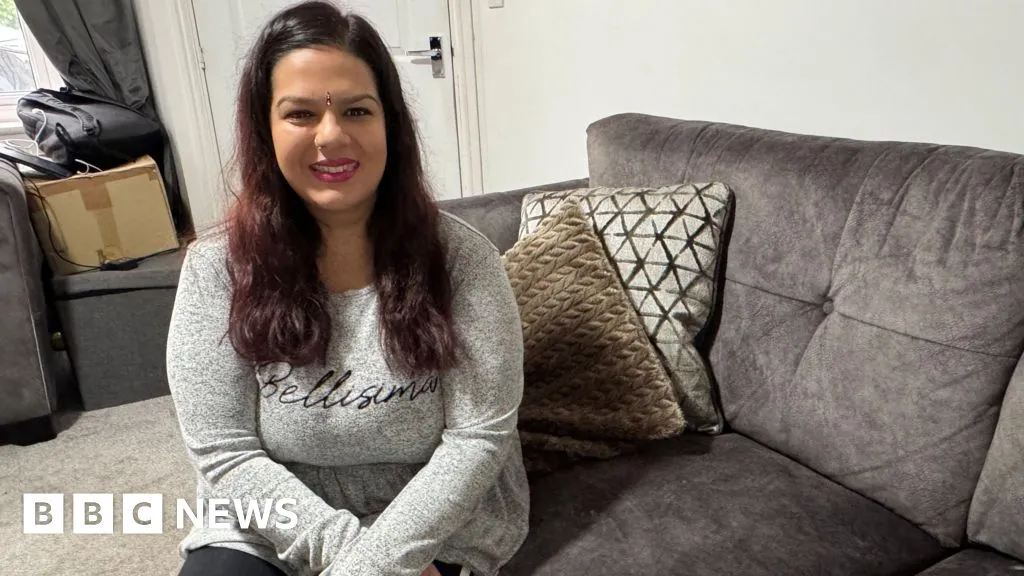
Women hope yearly health checks will improve PMOS diagnosis and care - BBC
Women welcome annual check for debilitating condition27 minutes agoShehnaz Khanin BirminghamBBCNeelam Heera-Shergill founded charity Cysters to provide support she felt was missing after her diagnosisWhen Neelam Heera-Shergill was diagnosed with polycystic ovary syndrome (PCOS) at the age of 18, she feared it could one day stop her becoming a mother. "I'm never going to have children. That's it, my life is over," she said. The condition affects about one in eight women in the UK, yet despite its broad impact on health and wellbeing, Neelam, from Birmingham, said she was left with little understanding of what her diagnosis really meant. It is one of the reasons she supports the decision to rename PCOS to polyendocrine metabolic ovarian syndrome (PMOS) earlier this year, alongside a recommendation for annual health checks to improve diagnosis and long-term care. For Neelam, finding out she had the condition sent her into what she described as a "rabbit hole" of fear and uncertainty. Not long after beginning university, she started experiencing irregular and painful periods, thinning hair, weight gain and exhaustion.
0 comments
No comments yet. Be the first to share your thoughts!