How you drink your tea could determine whether you gain or lose heart health benefits - CP24
This story deserves to be shared
Send it to someone who'd care, or post it on your networks.

Published: October 21, 2026 at 8:36a.m. EDTMy morning routine isn’t complete without two calming yet energizing cups of green tea. Not only is a cup of tea highly enjoyable, but it has long been associated with health benefits, including a lower risk of heart disease, stroke and dementia. Now, a new study published Wednesday in the Journal of Internal Medicine suggests that how people prepare and drink their tea could also influence their cardiovascular health. Over an average follow-up of about nine years, researchers documented more than 14,800 cases of diseases affecting the heart and blood vessels, such as heart attacks, strokes and peripheral artery disease, which involves narrowing of arteries supplying blood to the arms and legs. Researchers analyzed data from more than 485,000 Chinese adults ages 30 to 79. Participants reported their tea-drinking habits, including how frequently they drank tea, what type they preferred, how strong they brewed it, and how hot they drank it. To help us understand the findings and what they mean for heart health, I spoke with CNN wellness expert Dr. Leana Wen.
This article is an excerpt. To read the full content, visit the original source. CP24
Related articles

Helping microgreens pack even more of a nutritional punch - Phys.org
In this study, the researchers tested five iron fertilizers to determine which was most effective at increasing iron levels in radish and pea microgreens. Pea plant early shoots are shown here. Credit: Penn State Microgreens are nutritional powerhouses. A team of plant scientists at Penn State conducting research on multiple aspects of microgreens recently published three studies reporting progress on multiple fronts, including iron enrichment, productive indoor growth and a faux lightning technique that could improve microgreens' growth, yield and nutritional quality.

Nunavut MLAs reconvene for fall sitting - Nunatsiaq News
Baker Lake MLA Craig Simailak gets vaccinated for COVID-19 and influenza at Nunavut’s legislative assembly in Iqaluit on Wednesday. The first day of the fall sitting saw this vaccination clinic, as well as remarks on Alberta’s referendum and an opening address from Nunavut’s newest MLA, Jason Iqaluq. (Photo courtesy of John Main/Facebook) First reading of several bills scheduled for Friday

What to expect from respiratory illness season in the Maritimes - CTV News
AtlanticNova ScotiaNew BrunswickPrince Edward Island Newfoundland and LabradorCalgaryLethbridgeKitchenerGuelphNorthern OntarioSudburyNorth BaySault Ste. MarieTimminsOttawaKingstonBrockvillePembrokeReginaYorktonSaskatoonPrince AlbertTorontoWatchWeatherPeelHamiltonDurhamYorkHaltonNiagaraQueen's ParkToronto City HallIn PicturesVancouverVancouver IslandCanadaLocal SpotlightRoyal FamilyPoliticsNanosPower PlayQuestion PeriodFederal Election 2025WorldMideast ConflictRussia-Ukraine WarWatchLatestCaptured on CameraPoliticsLifestyleConsumerHealthExplainedEntertainmentTechnologyDeception DecodedAutosEnvironmentBusinessInflationReal EstateAutos
Raccoon rabies continues to spread in Quebec as government reports 3rd infected cat - CBC
New | The Canadian Press | Posted: October 22, 2026 8:46 PM | Last Updated: Just nowOwner and a veterinarian were exposed to the cat's rabies and treatedImage | RacoonCaption: Quebec has run multiple wildlife rabies vaccination programs over the years, greatly reducing the number of annual cases in the past. (CBC)Another cat has been infected with raccoon rabies in Quebec, marking the third confirmed case in a cat this year. The infection was detected on Sept. 25 in the town of Saint-Denis-sur-Richelieu, in the Montérégie region. The province says the owner and a veterinarian were exposed to the cat's rabies and treated. The government's latest numbers show 313 confirmed cases of raccoon rabies in Quebec this year. Officials previously reported two cases in cats in late June. The government has run multiple vaccination programs, including vaccine bait distribution and "trap-vaccinate-release" operations.
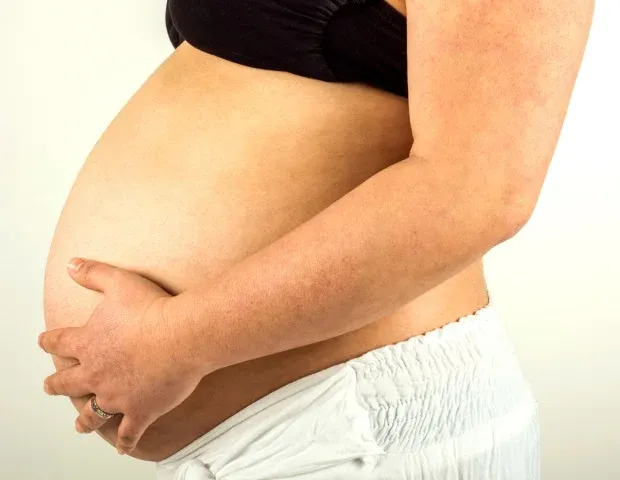
Gaining too much weight during pregnancy raises complication risks - News-Medical
A new study of more than one million births led by McMaster University researchers has found that gaining too much weight during pregnancy, regardless of a person's starting weight, is linked to a higher risk of life-threatening maternal complications. Current pregnancy weight-gain recommendations were developed primarily to improve outcomes for babies, such as healthy birth weight and reducing the risk of preterm birth. The study, published in JAMA Network Open on Oct. 22, 2026, suggests the recommendations should also be evaluated through the lens of maternal health, including the risk of life-threatening complications such as bleeding, pre-eclampsia and ICU admission during childbirth.
Starting survivorship care earlier improves head and neck cancer survival - News-Medical
Beginning survivorship care for head and neck cancer patients earlier is linked to better survival and lower recurrence, according to a new University of Pittsburgh study published today in JAMA Otolaryngology–Head & Neck Surgery. The study found that patients who participated in a multidisciplinary survivorship clinic before or early in radiotherapy had better outcomes than patients who participated after treatment. The study is among the first to show that timing of survivorship care is associated with patient outcomes, and unlike many factors in cancer care, it can be modified relatively easily.
0 comments
No comments yet. Be the first to share your thoughts!