South West Directors of Public Health welcome Tobacco and Vapes Act becoming law - and urge the 520,000 people who smoke to take the moment to quit - Wiltshire Council
This story deserves to be shared
Send it to someone who'd care, or post it on your networks.
This article is an excerpt. To read the full content, visit the original source. Wiltshire Council
Related articles
Healthy Vapes: A Dangerous Social Media Trend? - Addiction Center
Minister Nesbitt welcomes ‘landmark’ Tobacco and Vapes Act - Department of Health
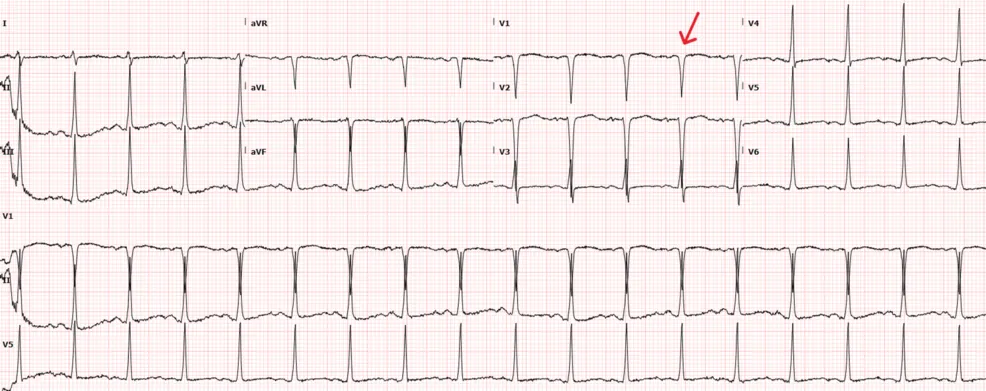
Point-of-Care Ultrasound Detection of Acute Myocardial Dysfunction Following Bupropion Overdose: A Case Report - Cureus
Bupropion overdose is associated with significant morbidity and mortality due to severe neurologic and cardiovascular toxicity, including seizures and life-threatening arrhythmias. Early recognition of electrocardiographic, clinical, and echocardiographic abnormalities is critical for prompt intervention and prevention of clinical deterioration. We present a case of a 21-year-old female who presented to the emergency department following an intentional polysubstance overdose involving suspected bupropion ingestion. The initial electrocardiogram (EKG) demonstrated sinus tachycardia. However, during continued monitoring, the patient developed QRS widening and seizures. Treatment included benzodiazepines, calcium, and sodium bicarbonate. Point-of-care ultrasound (POCUS) revealed a reduced ejection fraction (EF) of less than 30%, which was later confirmed on formal transthoracic echocardiography. These findings prompted escalation of care, intubation for airway protection and deep sedation, and transfer to the intensive care unit (ICU). During admission, she developed torsades de pointes (TdP), resulting in cardiac arrest. Despite her critical presentation, repeat echocardiography upon

Pembrolizumab-Associated Adrenal Insufficiency Presenting as Adrenal Crisis: A Case Report - Cureus
Immunotherapy regimens containing the programmed cell death protein 1 (PD-1) inhibitor pembrolizumab are widely utilised in the management of non-small cell lung cancer (NSCLC). However, the administration of pembrolizumab is associated with unique immune-related adverse events. Adrenal insufficiency is a rare, potentially life-threatening endocrinopathy that can manifest even after the cessation of planned treatment. A male in his 50s with metastatic pulmonary adenocarcinoma developed an acute adrenal crisis 12 days after completing a 24-month course of pembrolizumab immunotherapy. Routine outpatient blood tests first identified critical hypocortisolaemia (morning serum cortisol <50 nmol/L), prompting the patient to attend hospital. The patient subsequently developed severe hypotension (58/45 mmHg) and reported malaise, anorexia, and vomiting after oral intake. Septic shock was considered but felt to be less likely given the absence of infective symptoms. The patient was successfully resuscitated in the emergency department with administration of fluids and high-dose intravenous hydrocortisone. Following clinical stabilisation, under the supervision of the endocrinology team, he w
0 comments
No comments yet. Be the first to share your thoughts!