Scientists uncover oxygen-loving ancestor of all complex life - Science Daily
This story deserves to be shared
Send it to someone who'd care, or post it on your networks.
This article is an excerpt. To read the full content, visit the original source. Science Daily
Related articles
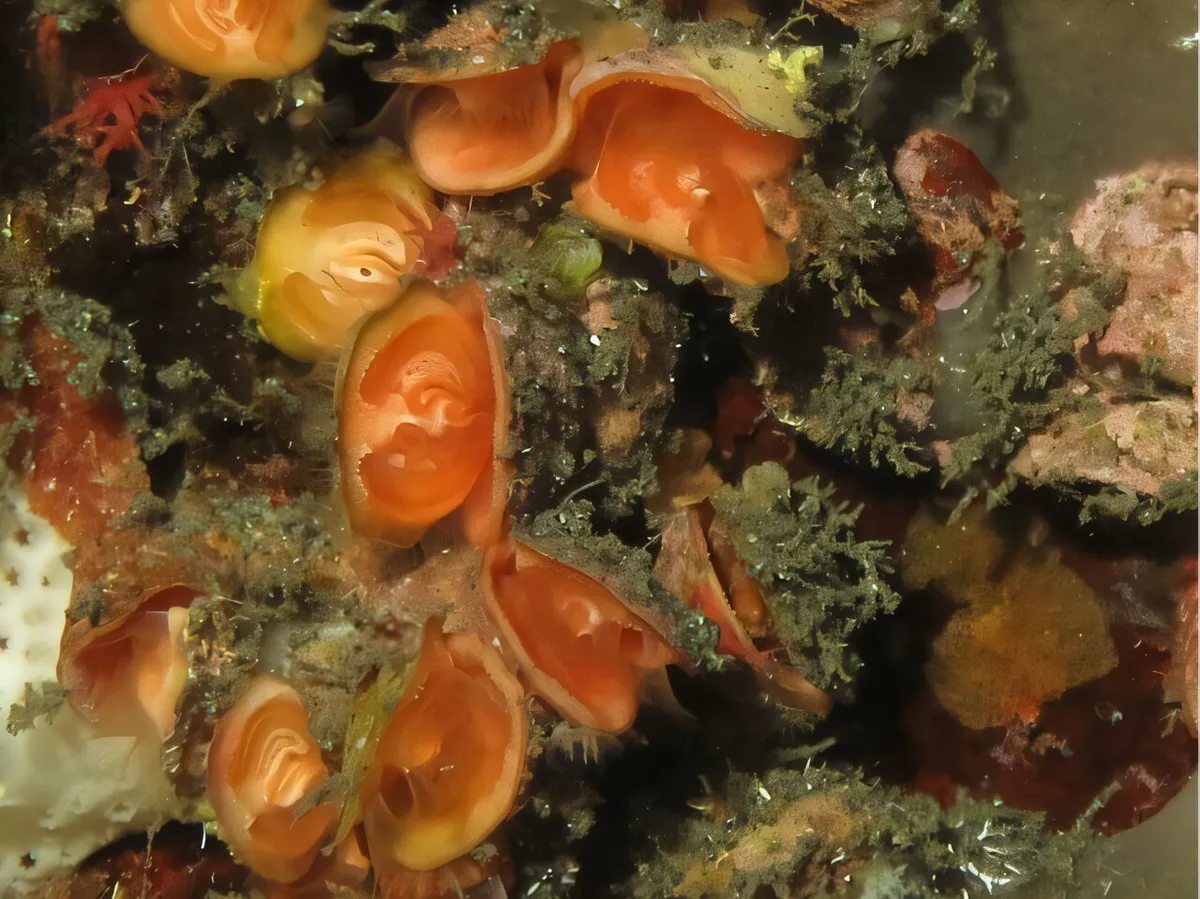
Oldest animals on Earth found to share a common wormlike ancestor - Phys.org
Underwater photo of one of the species studied, Pajaudina atlantica, from La Palma, Canary Islands, Spain. Credit: Hana Jurikova New research from the University of St Andrews has shed light on the evolution of an important yet thus far poorly understood group of marine invertebrate animals—brachiopods. The work, published in Science Advances, presents the first comprehensive phylogenomic analysis of all five extant brachiopod orders and related lineages.

How Do Freedivers Cope With So Little Oxygen? Scientists May Have Found a Clue. - VICE
It’s unsurprising that cutting off your brain’s access to the oxygen it needs to run its routine processes can significantly affect it. That’s especially true for freedivers, people who hold their breath for minutes at a time as they try to swim as deep into the ocean as humanly possible. Normally, starving your brain leads straight to rapid neuron death, seizures, and catastrophic memory impairment, mostly because the hippocampus takes the first hit when oxygen dries up. Yet, according to a bioRxiv study led by neuroscientist Julia Micaux of the University of Paris-Saclay, free divers who hold their breath for extended stretches somehow don’t suffer the kind of major brain meltdown you’d expect.
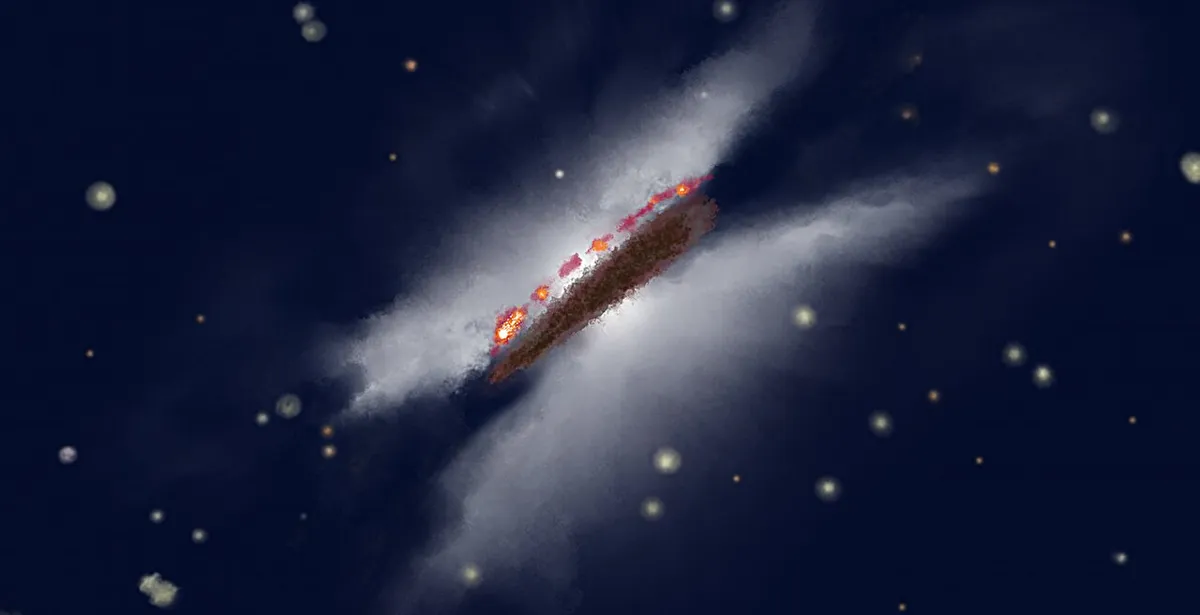
Cosmic 'hamburger' offers rare edge-on view of where giant planets may take shape - Phys.org
Gomez's Hamburger System. This artist's impression of the Gomez's Hamburger system shows the stacked layers of gas and dust as they rotate around a young star. ALMA observations reveal a direct view of its vertical structure at millimeter wavelengths, allowing astronomers to map the location of the millimeter-sized dust grains and several different gas-phase molecules, which have arranged themselves into distinct levels. Credit: NSF/AUI/NSF NRAO/P. Vosteen. Astronomers using the Atacama Large Millimeter/submillimeter Array (ALMA) were surprised to discover the earliest phases of giant planet formation between the dense layers of gas and dust in the "Gomez's Hamburger" system, referred to as GoHam.
0 comments
No comments yet. Be the first to share your thoughts!