4,000 Meters Below Sea Level, Scientists Have Found the Spectacular ‘Dark Oxygen’ - Popular Mechanics
This story deserves to be shared
Send it to someone who'd care, or post it on your networks.
This article is an excerpt. To read the full content, visit the original source. Popular Mechanics
Related articles

How Do Freedivers Cope With So Little Oxygen? Scientists May Have Found a Clue. - VICE
It’s unsurprising that cutting off your brain’s access to the oxygen it needs to run its routine processes can significantly affect it. That’s especially true for freedivers, people who hold their breath for minutes at a time as they try to swim as deep into the ocean as humanly possible. Normally, starving your brain leads straight to rapid neuron death, seizures, and catastrophic memory impairment, mostly because the hippocampus takes the first hit when oxygen dries up. Yet, according to a bioRxiv study led by neuroscientist Julia Micaux of the University of Paris-Saclay, free divers who hold their breath for extended stretches somehow don’t suffer the kind of major brain meltdown you’d expect.
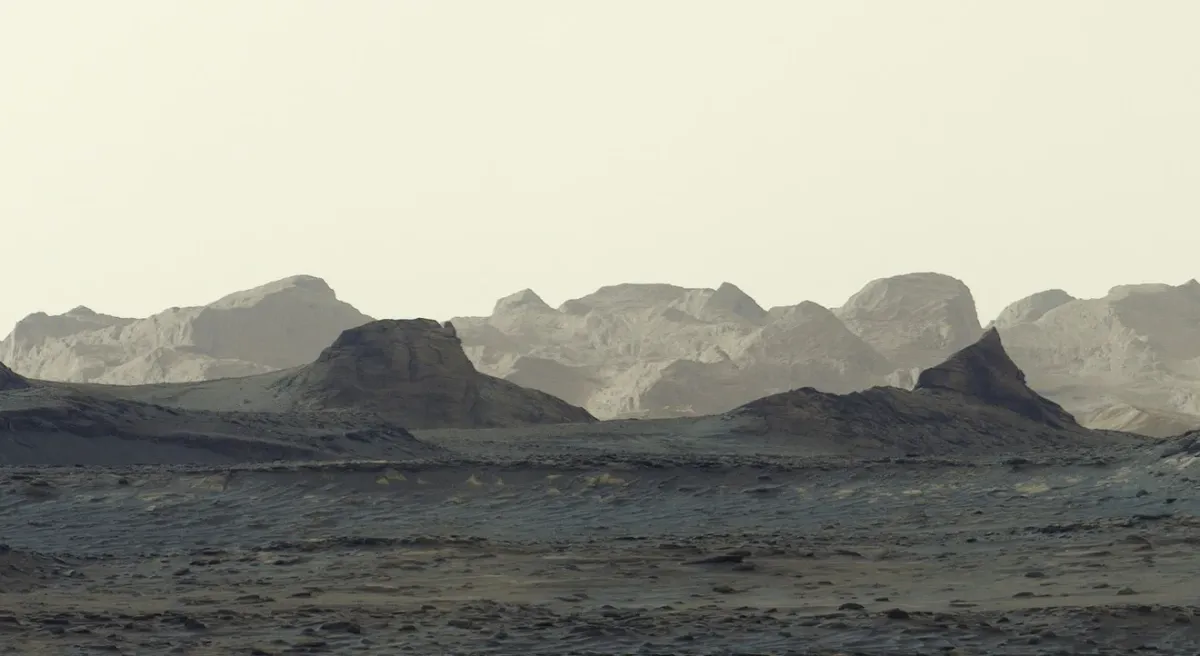
Curiosity Greets a Spectacular Dawn Sky on Mars - Universe Today
NASA’s Curiosity Mars Rover gives us another amazing view of its Gale crater home. Mars is a planetary geologist’s paradise. NASA’s Curiosity rover drove that home recently, with a captivating panorama seen from the slopes of Mount Sharp. The image shows a stunning vista, and was not white-balance adjusted during processing, to show just what a viewer might really see at sunrise standing of Mars.
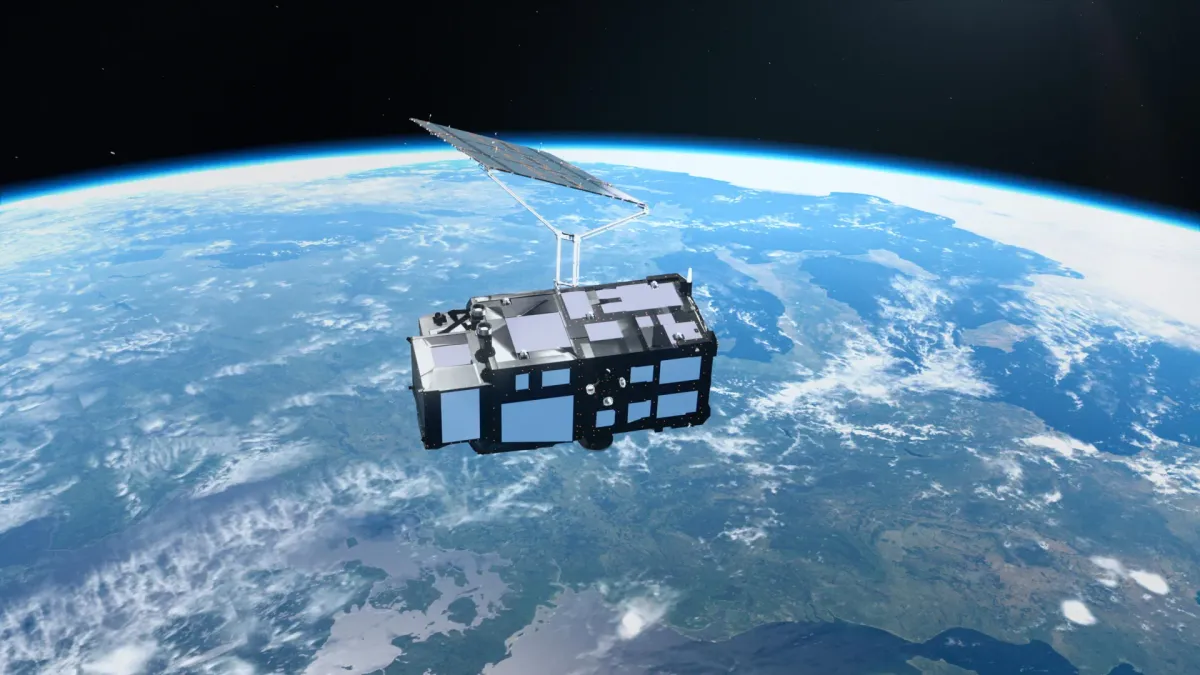
Europe's new Sentinel-3C satellite just sent back spectacular images of Earth - Science Daily
Just two weeks after reaching orbit, Europe's new Copernicus Sentinel-3C satellite has delivered its first spectacular images of Earth, revealing everything from the snow-covered Alps to the frozen Arctic and the brilliant turquoise waters of the Caribbean. But the satellite is doing much more than taking beautiful pictures. Its instruments have also begun measuring ocean heights and the elevation of Greenland's massive ice sheet, providing an early demonstration of technology designed to monitor Earth's changing climate.

SpaceX Sent 6,300 Pounds to the Space Station. The Strangest Cargo Was Grown in a Lab - Inc.com
The spacecraft delivered materials and equipment for new research studies to the station.
0 comments
No comments yet. Be the first to share your thoughts!