Oldest animals on Earth found to share a common wormlike ancestor - Phys.org
This story deserves to be shared
Send it to someone who'd care, or post it on your networks.
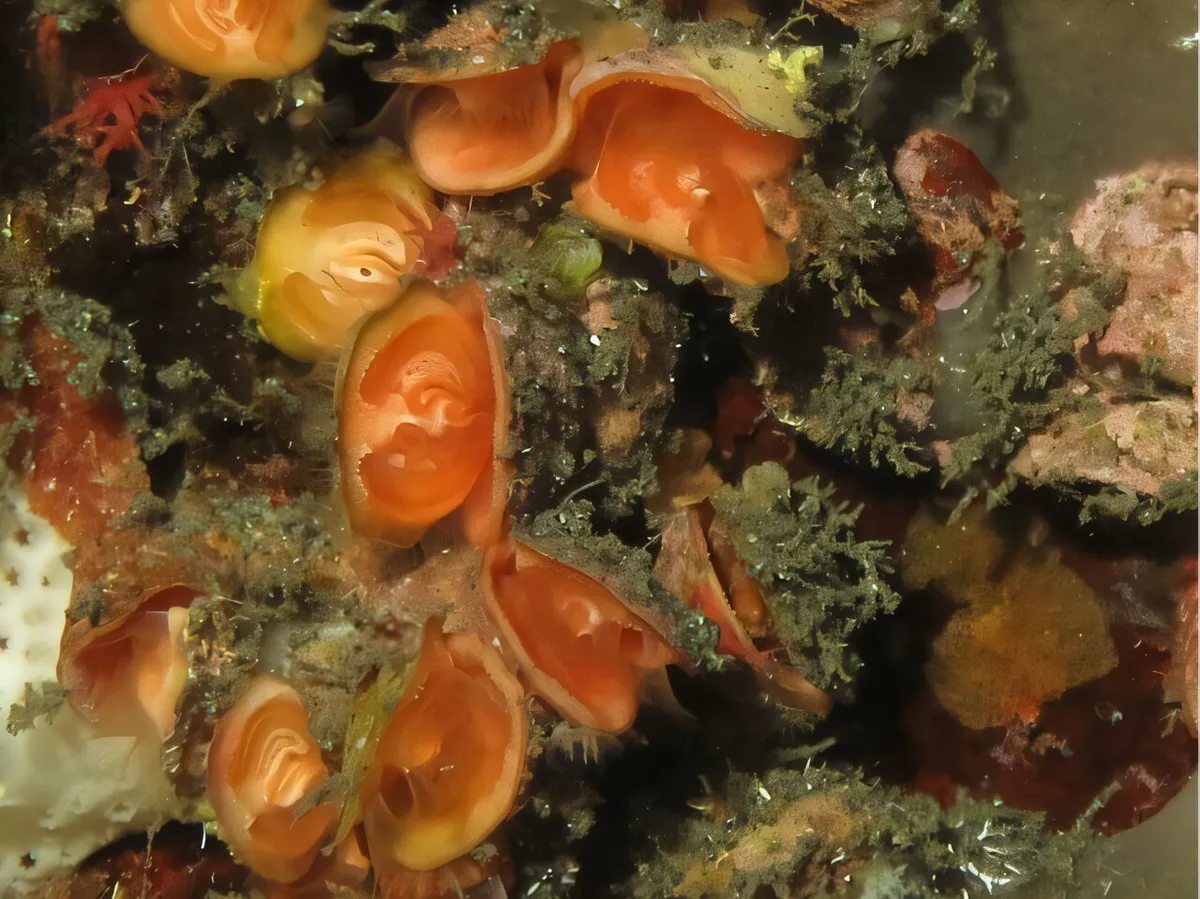
Underwater photo of one of the species studied, Pajaudina atlantica, from La Palma, Canary Islands, Spain. Credit: Hana Jurikova
New research from the University of St Andrews has shed light on the evolution of an important yet thus far poorly understood group of marine invertebrate animals—brachiopods. The work, published in Science Advances, presents the first comprehensive phylogenomic analysis of all five extant brachiopod orders and related lineages.
This article is an excerpt. To read the full content, visit the original source. Phys.org
Related articles
Thermal Noise Used To Send Data Without Active Signal - Mirage News
Stanford researchers recently revealed how a seemingly physics-defying wireless communication technology works. The new technology, called thermal noise communication, harnesses background static that normally is the bane of radio, cellular, and other wireless signals. In a new study published in Proceedings of the National Academy of Sciences, the team showed how a transmitter could deliver data to a receiver without any actively produced signal by manipulating tiny oscillations in voltage. The findings describe how the system works at a fundamental level, opening the door to improving the communication mode and determining real-world applications for it. "We've built a system that others could very easily implement," said senior author Zerina Kapetanovic, an assistant professor of electrical engineering. A physics mysteryIn her previous research at the University of Washington, Kapetanovic studied agricultural sensing technologies, which inspired her to pursue low-power modes of relaying data like soil moisture levels.
Giant Canyon on Mars Is Still Tectonically Active Today - Lamont-Doherty Earth Observatory
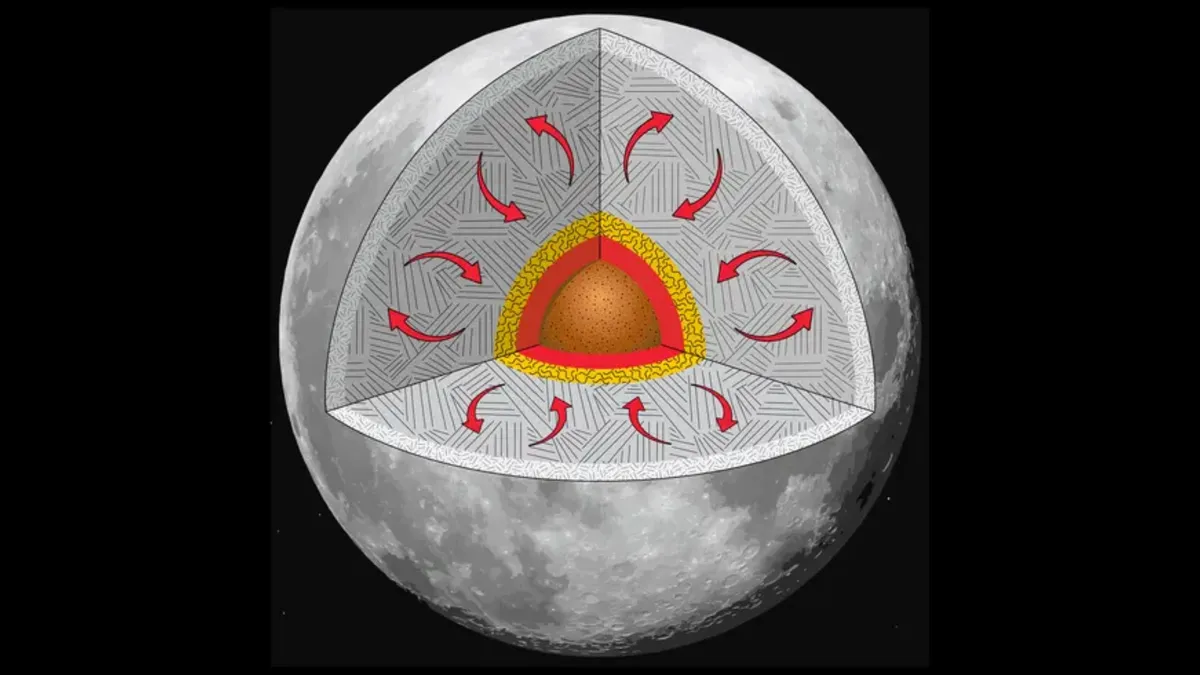
The moon is shrinking. 10,000 cracks on the lunar surface reveal by how much - Space
One new study shows how much the moon has diminished over time.
0 comments
No comments yet. Be the first to share your thoughts!