Scientists Just Revived Pig Kidneys Frozen for a Year. It Could Rewrite the Future of Organ Transplants - Gizmodo
This story deserves to be shared
Send it to someone who'd care, or post it on your networks.

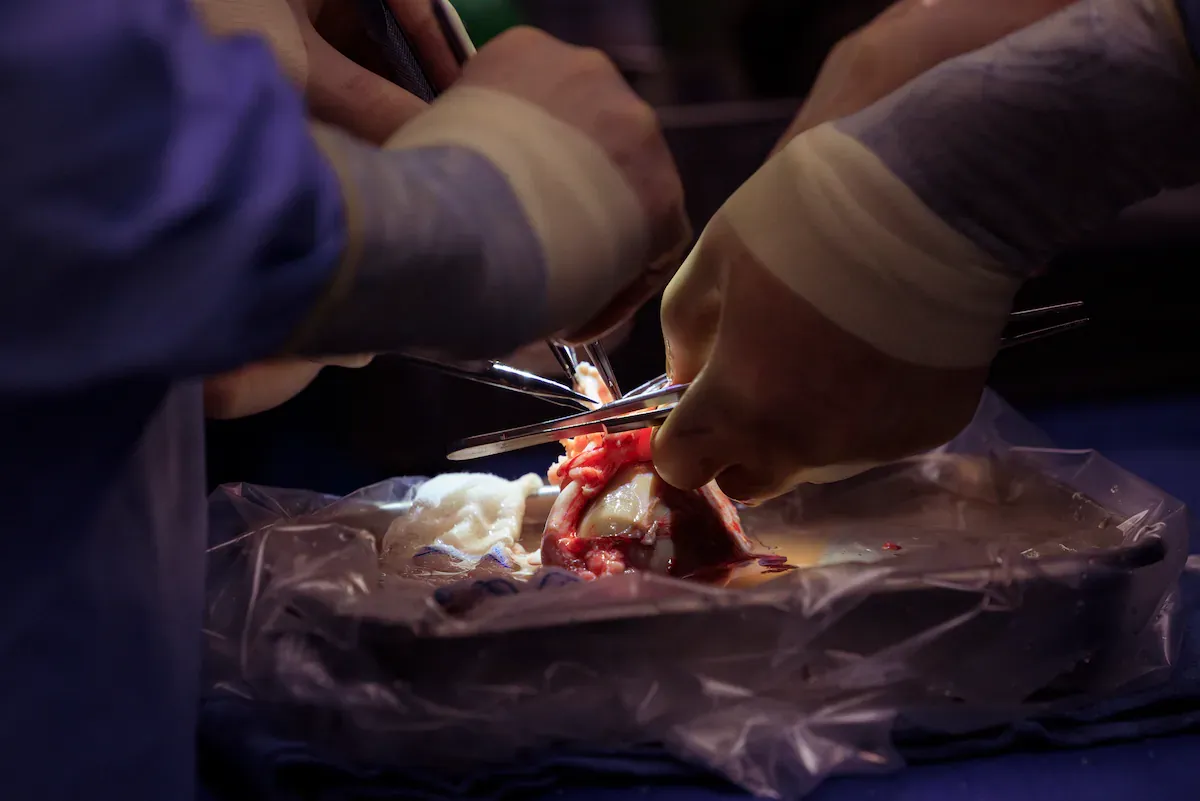
Much like sushi or political humor, badly needed donor organs tend to have a pretty short shelf life. By current estimates, vital organs like a heart or a lung need to be transplanted into their waiting human recipient within six hours or less, while the most hardy of these organs, the kidney, can only remain viable for up to 36 hours before surgery. These unforgiving expirations dates have helped keep over 100,000 Americans (and counting) stuck on the waiting list for a new organ—but surgeons and medical researchers at the University of Minnesota have just reported a breakthrough that might finally get this line moving. A university team, co-led by transplant surgeon Erik Finger, says it has effectively kept pig kidneys in cold storage for months, and in one case over a year, managing to gently thaw, test, and successfully transplant these warmed-over organs into test pig recipients. The research, published as a pre-print with bioRxiv while it awaits peer review, confirmed that the once-frozen organs had both regained their color and helped the test pigs produce urine: critical signs that restored blood flow and organ function had been achieved.
This article is an excerpt. To read the full content, visit the original source. Gizmodo
Related articles
Genetically modified pig kidneys are already being transplanted, yet science has hit a wall - Futura, le média qui explore le monde
In a “Frankenstein-style” experiment, scientists just revived a key piece of Earth’s origin of life - Futura, le média qui explore le monde
Science, pigs and money: the race between the US and China to make animal-to-human transplants viable - EL PAÍS English
A year ago, an open microphone during a conversation between Xi Jinping and Vladimir Putin illustrated modern humans’ faith in science and technology and the idea that we are machines made of flesh. “Biotechnology is continuously developing. Human organs can be transplanted continuously. The longer you live, the younger you become, and you can even achieve immortality,” the Russian president said. Xi was more cautious, but did not spare optimism: “Today you are a child at 70. Predictions indicate that this century it may be possible to live to 150 years.”Transplants are among the most fascinating achievements of modern medicine, the result of a mix of scientific talent, boldness and generosity that reflect the best of humanity. In Spain, more than 6,000 people get a new chance at life each year thanks to organs donated by 2,500 people at death. But that medical intervention has little to do with replacing a dishwasher part. Organs come from donors. You cannot mass-produce thousands of identical livers and kidneys on an assembly line, and fewer than 1% of people who die each year do so in conditions that allow them to donate organs.
0 comments
No comments yet. Be the first to share your thoughts!