Scientists find 10 different diets linked to slower aging - Science Daily
This story deserves to be shared
Send it to someone who'd care, or post it on your networks.
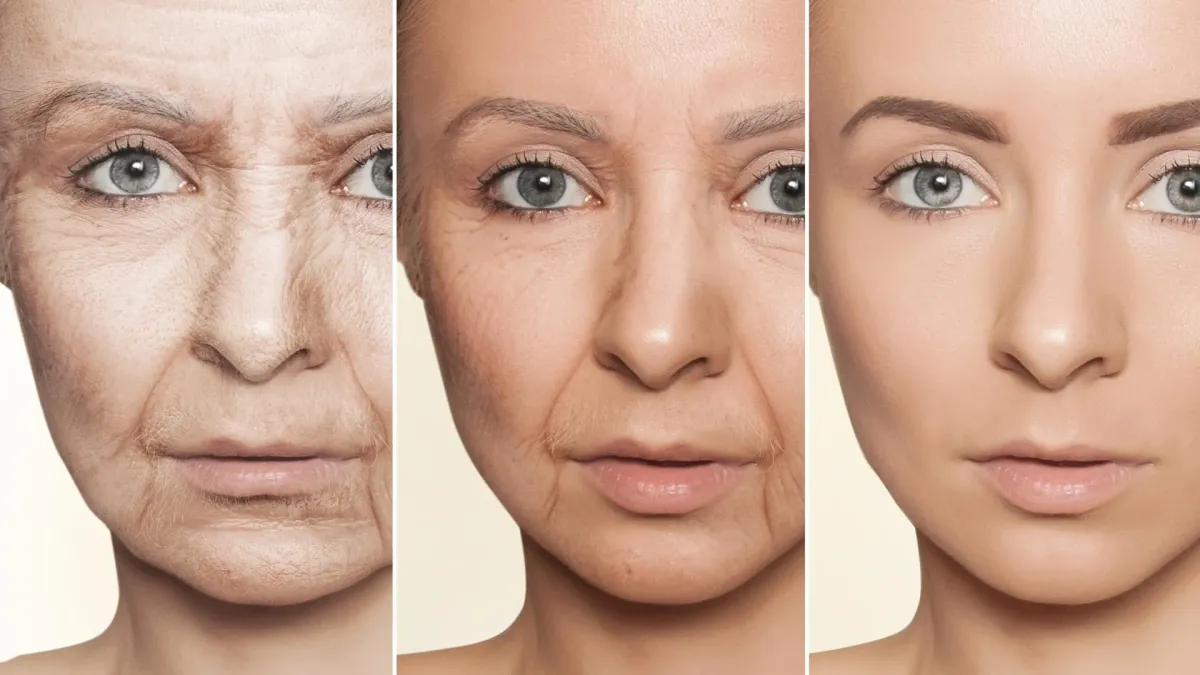
A large study involving approximately 7,500 people suggests that eating a healthy diet may help slow biological aging, and there is no single eating plan that stands above all others. Scientists at the German Center for Neurodegenerative Diseases (DZNE) investigated 10 different dietary patterns, including the Mediterranean, Nordic, plant-based, and DASH diets. The DASH diet was specifically developed to help reduce blood pressure.
Every dietary pattern examined was associated with slower biological aging, as measured by chemical changes in DNA that reflect the body's aging process. The findings were first identified using data from DZNE's Rhineland Study and then independently confirmed in another population. The research was published in Nature Communications.
This article is an excerpt. To read the full content, visit the original source. Science Daily
Related articles

Scientists Studied 2 Very Different Diets and Found the Same Nutrition Problem - Yahoo Health
A new study found that two very different eating patterns shared a nutritional problem: inadequate fiber intake. Among 64 adults preparing for weight-loss surgery, approximately 83% consumed less fiber than recommended, regardless of their broader dietary profile. The Concordia University findings, publicized October 13, also revealed something unexpected. Participants who consumed more calories, fats, sugars, and nutrients showed no statistically significant differences in several heart and metabolic health markers compared with those consuming less. Next: I'm a Trainer: Americans Are Obsessed With Protein, but Most Are Missing One Key NutrientTwo Diets, One Common ProblemPublished in the journal Obesity Surgery, the study examined adults averaging 48 years old, with an average body mass index of 45. Researchers identified two dietary profiles. One featured higher consumption of sugar, fat, and overall nutrients. The other contained fewer vitamins and less fiber. "The high sugar and high fat group might be eating more fatty food like beef as opposed to chicken, or even putting more sugar in their coffee," said Concordia professor Simon Bacon, PhD.

Eye scans link retinal thinning to slower cognitive processing in MS - Multiple Sclerosis News Today
Study highlights tests as possible tool for monitoring neurodegeneration Thinning of a layer of nerve cells in the eye's retina was associated with slower information processing in people with multiple sclerosis, independent of physical disability, a study found.

Physical Activity Linked to Slower Parkinson Progression - EMJ
PHYSICAL activity was associated with slower Parkinson progression, including reduced motor and cognitive decline, according to findings from a longitudinal cohort study of patients with Parkinson disease. Researchers evaluated whether different measures of physical activity influenced long term disease outcomes and found consistent associations between greater activity levels and slower progression over time.
Interaction of Bunyamwera virus non-structural protein NSm with cellular BNIP1 is required for efficient viral gene expression and replication - Nature
We’re sharing this article early to provide faster access to peer-reviewed, accepted research. It is citable and carries a permanent DOI. This version is subject to further edits and will be replaced automatically by the final Version of Record. All legal disclaimers apply. AbstractBunyamwera virus (BUNV) is the prototypical member of the Peribunyaviridae family of arthropod-borne viruses and possesses a genome comprising three segments of negative-sense RNA, named small, medium and large. The medium segment encodes a polyprotein that is processed to form Gn and Gc spikes and a non-structural protein, NSm. The role of NSm during replication in mammalian cells is poorly characterized, although it associates with a Golgi-derived structure called the virus factory (VF), the site of BUNV genome replication and virion assembly. To further define NSm function, we generated an epitope-tagged BUNV and used co-immunoprecipitation and quantitative proteomics to identify host interacting partners.

CT scans reveal body composition changes preceding pancreatic cancer diagnosis - News-Medical
People who develop pancreatic cancer experience measurable changes in body composition years before diagnosis that differ from those seen in similar individuals without cancer, according to a Mayo Clinic study led by former Mayo Clinic research fellow, Aleksander Bogdanski and published in Pancreatology. Pancreatic cancer remains one of the deadliest cancers, largely because most patients are diagnosed after the disease has already spread. Current surveillance programs focus primarily on people with inherited genetic risk or strong family histories, yet most pancreatic cancers occur outside those high-risk groups.
0 comments
No comments yet. Be the first to share your thoughts!