Eye scans link retinal thinning to slower cognitive processing in MS - Multiple Sclerosis News Today
This story deserves to be shared
Send it to someone who'd care, or post it on your networks.

Study highlights tests as possible tool for monitoring neurodegeneration
Thinning of a layer of nerve cells in the eye's retina was associated with slower information processing in people with multiple sclerosis, independent of physical disability, a study found.
This article is an excerpt. To read the full content, visit the original source. Multiple Sclerosis News Today
Related articles

Physical Activity Linked to Slower Parkinson Progression - EMJ
PHYSICAL activity was associated with slower Parkinson progression, including reduced motor and cognitive decline, according to findings from a longitudinal cohort study of patients with Parkinson disease. Researchers evaluated whether different measures of physical activity influenced long term disease outcomes and found consistent associations between greater activity levels and slower progression over time.
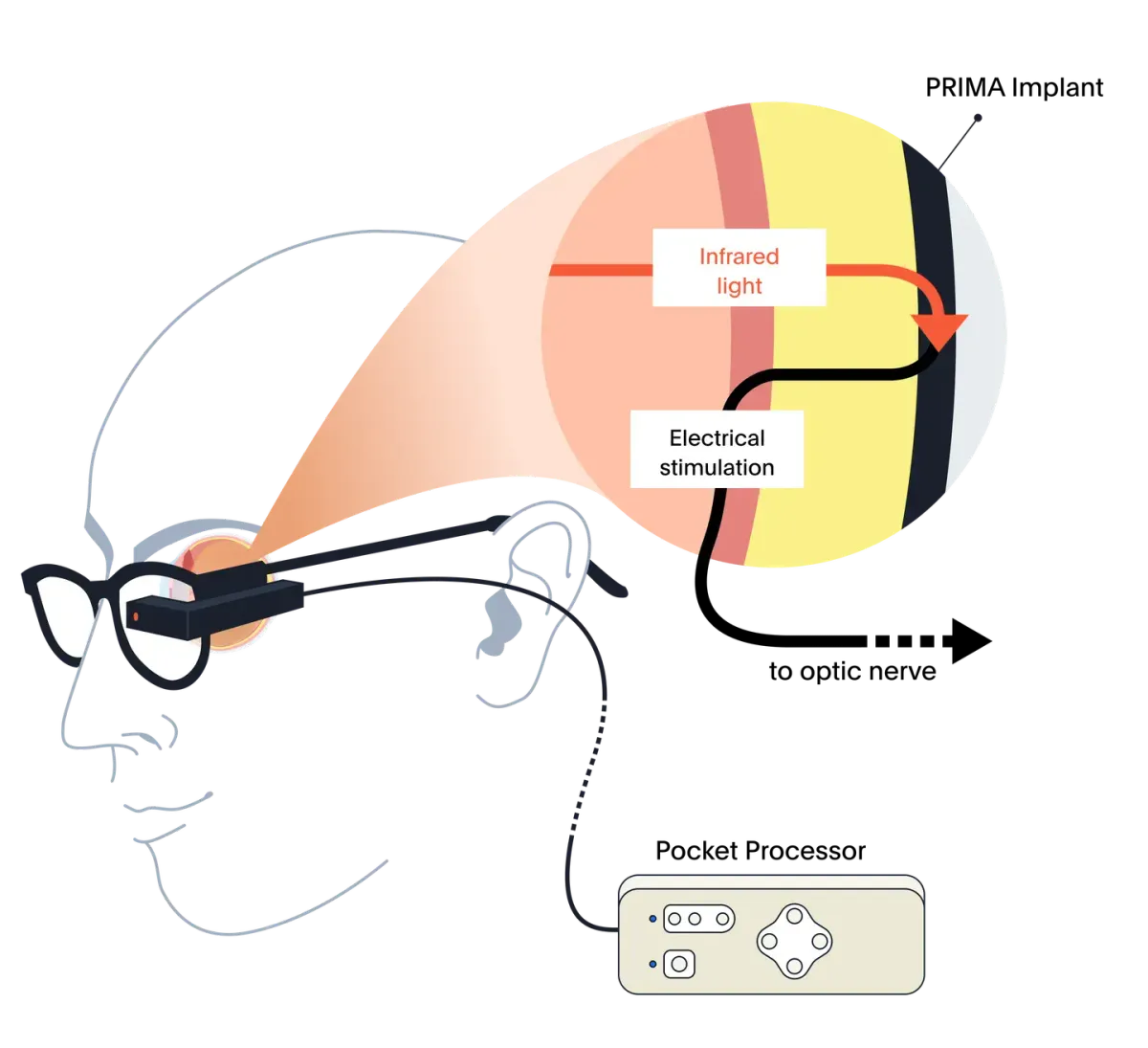
European Trial Finds PRIMA Retinal Implant Demonstrates Sustained Vision Improvement at 3 Years in GA - Eyewire+
PRIMA implantation was associated with sustained visual acuity improvement from approximately 20/460 to 20/120 at 36 months Among 18 patients evaluated at 3 years, 78% achieved gains of at least 3 lines of visual acuity
Patient-centered financial navigation assistance helps reduce financial toxicity among cancer patients - Medical Xpress
Among cancer patients, the high financial cost of cancer care is a prevalent problem. This financial burden is also associated with potentially harmful behavioral strategies that patients might use to cope with costs, such as delaying or forgoing treatment and skipping medications. Collectively, researchers refer to this impact as financial toxicity.

Continuous glucose monitors help type 2 diabetes patients spend 5 more hours a day in healthy blood sugar range - Medical Xpress
Continuous glucose monitors (CGMs) could transform diabetes management for millions of Americans with type 2 diabetes who don't take insulin, according to findings published in the New England Journal of Medicine. The clinical trial found that adults using CGMs spent approximately five additional hours each day within their target blood sugar range compared with those receiving routine care. Nearly twice as many CGM users also achieved an A1c level below 7%, a common treatment goal for people with diabetes.
0 comments
No comments yet. Be the first to share your thoughts!