Interaction of Bunyamwera virus non-structural protein NSm with cellular BNIP1 is required for efficient viral gene expression and replication - Nature
This story deserves to be shared
Send it to someone who'd care, or post it on your networks.
We’re sharing this article early to provide faster access to peer-reviewed, accepted research. It is citable and carries a permanent DOI. This version is subject to further edits and will be replaced automatically by the final Version of Record. All legal disclaimers apply.
AbstractBunyamwera virus (BUNV) is the prototypical member of the Peribunyaviridae family of arthropod-borne viruses and possesses a genome comprising three segments of negative-sense RNA, named small, medium and large. The medium segment encodes a polyprotein that is processed to form Gn and Gc spikes and a non-structural protein, NSm. The role of NSm during replication in mammalian cells is poorly characterized, although it associates with a Golgi-derived structure called the virus factory (VF), the site of BUNV genome replication and virion assembly. To further define NSm function, we generated an epitope-tagged BUNV and used co-immunoprecipitation and quantitative proteomics to identify host interacting partners.
This article is an excerpt. To read the full content, visit the original source. Nature
Related articles

CT scans reveal body composition changes preceding pancreatic cancer diagnosis - News-Medical
People who develop pancreatic cancer experience measurable changes in body composition years before diagnosis that differ from those seen in similar individuals without cancer, according to a Mayo Clinic study led by former Mayo Clinic research fellow, Aleksander Bogdanski and published in Pancreatology. Pancreatic cancer remains one of the deadliest cancers, largely because most patients are diagnosed after the disease has already spread. Current surveillance programs focus primarily on people with inherited genetic risk or strong family histories, yet most pancreatic cancers occur outside those high-risk groups.
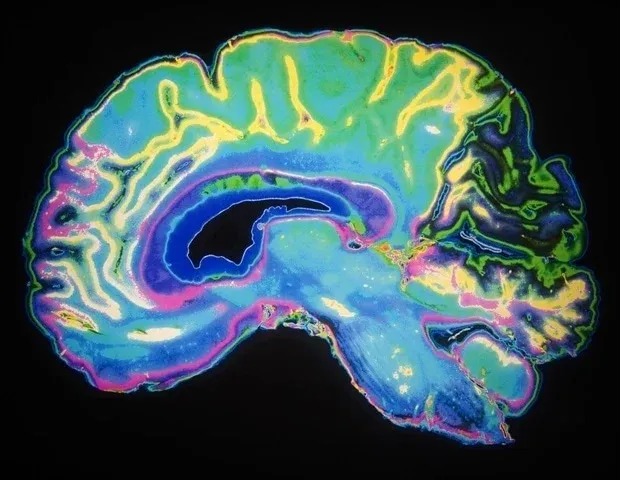
Paternal age may influence sex-specific gene expression changes in embryos - News-Medical
When genes are "expressed," it is like reading an instruction manual to create things the body needs - such as proteins or RNA. It is an incredibly important process in regulating normal cellular functions. Understanding more about gene expression can reveal insights into the biological processes behind different conditions. One of those conditions we desperately need to learn more about is autism spectrum disorder (ASD), which is a neurodevelopmental condition characterized by difficulties in social communication, alongside restricted or repetitive patterns of behavior and interests. Epidemiological studies have linked advanced paternal age to an increased risk of ASD in offspring. However, the mechanisms underlying this association remain poorly understood.
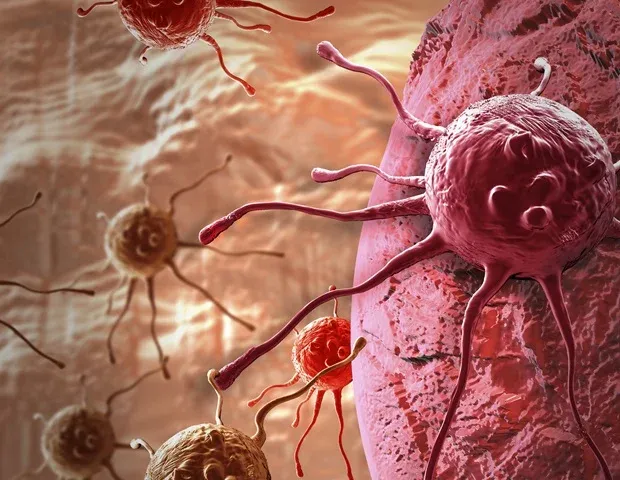
Study identifies potential treatment target for aggressive lung tumors - News-Medical
A UTHealth Houston-led team has identified a promising new avenue to curb the growth and spread of tumors associated with hard-to-treat lung and other cancers. The research was published today in the Proceedings of the National Academy of Sciences and led by Xiaochao Tan, PhD, assistant professor in the Department of Integrative Biology and Pharmacology at McGovern Medical School at UTHealth Houston.

$52 million study to investigate why some infants develop lasting lung infections - News-Medical
A Michigan Medicine-led research consortium has secured approval for up to $52 million in federal funding to launch a multicenter study examining why some young children recover fully from viral lower respiratory tract infections while others develop severe illness or lasting problems such as asthma. The project brings together researchers and clinicians from across the United States to study children ages 0 to 24 months who are hospitalized with viral lower respiratory tract infections, including bronchiolitis, pneumonia and pediatric acute respiratory distress syndrome.
0 comments
No comments yet. Be the first to share your thoughts!